
/
/
Afghanistan has a rich history and breathtaking landscapes, but the country has been off the tourist map for quite some time due to its unstable political climate.
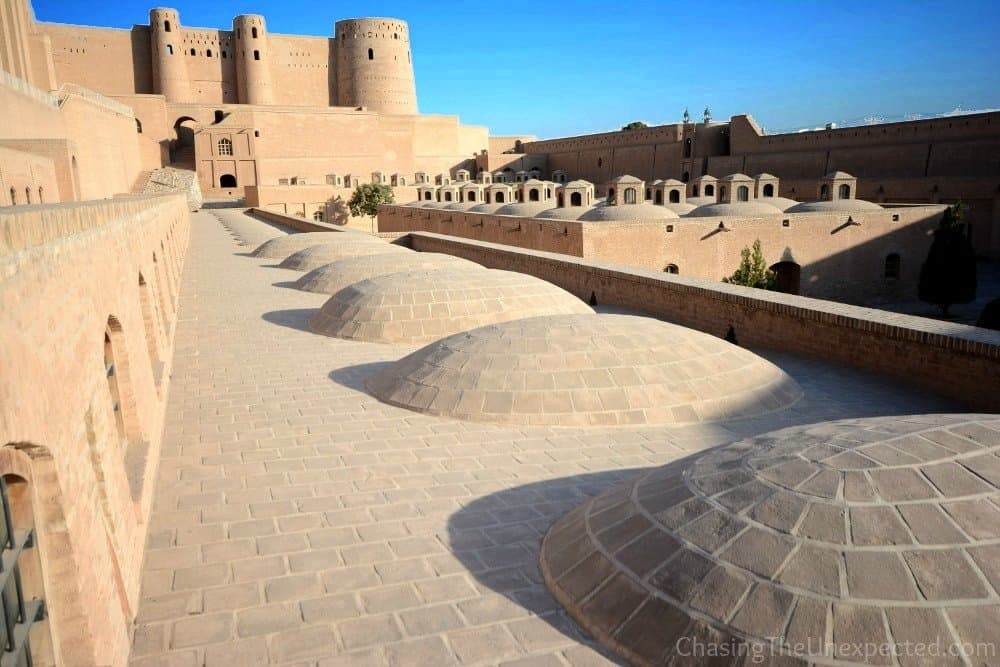
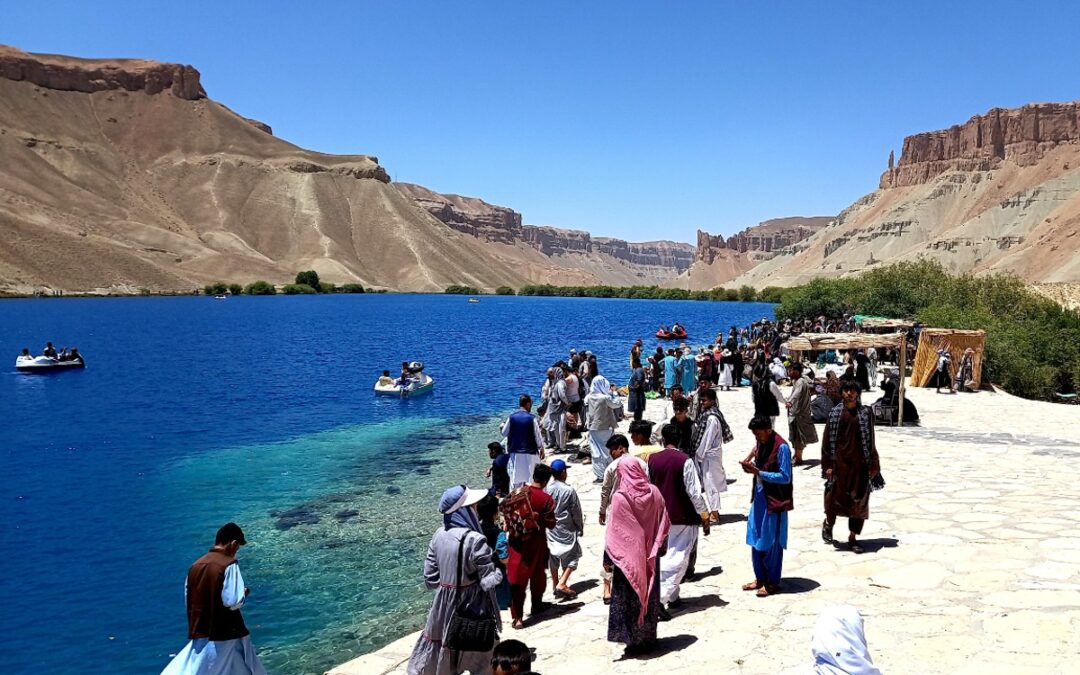 Band-e-Amir National Park is a stunning wilderness area in the heart of Afghanistan's mountains. It is commonly considered among the country's most popular tourist destinations. Blue, mineral-rich lakes formed by natural dams are the park's claim to fame. The rugged mountains and limestone cliffs surrounding the lakes create a breathtaking backdrop.
Visitors to Band-e-Amir National Park can explore the area on foot and learn more about the lakes by strolling between them. Lakes have distinctive and lovely names like Band-e-Haibat, Band-e-Panj, and Band-e-Zulfiqar. Tourists can easily swim or dive in the lakes, and they'll be able to witness the diverse aquatic life that calls the lakes home.
Aside from the lakes, the park also features breathtaking vistas, particularly from the top of the cliffs, which look out over the surrounding valleys and mountains. Animals and birds of many kinds call this region home, including ibex, urial sheep, wolves, bears, and various birds.
Also read: Explore Top 5 National Parks In India With Luxurious Stays
Location: Bala, Tang
Best time to visit: August
Band-e-Amir National Park is a stunning wilderness area in the heart of Afghanistan's mountains. It is commonly considered among the country's most popular tourist destinations. Blue, mineral-rich lakes formed by natural dams are the park's claim to fame. The rugged mountains and limestone cliffs surrounding the lakes create a breathtaking backdrop.
Visitors to Band-e-Amir National Park can explore the area on foot and learn more about the lakes by strolling between them. Lakes have distinctive and lovely names like Band-e-Haibat, Band-e-Panj, and Band-e-Zulfiqar. Tourists can easily swim or dive in the lakes, and they'll be able to witness the diverse aquatic life that calls the lakes home.
Aside from the lakes, the park also features breathtaking vistas, particularly from the top of the cliffs, which look out over the surrounding valleys and mountains. Animals and birds of many kinds call this region home, including ibex, urial sheep, wolves, bears, and various birds.
Also read: Explore Top 5 National Parks In India With Luxurious Stays
Location: Bala, Tang
Best time to visit: August
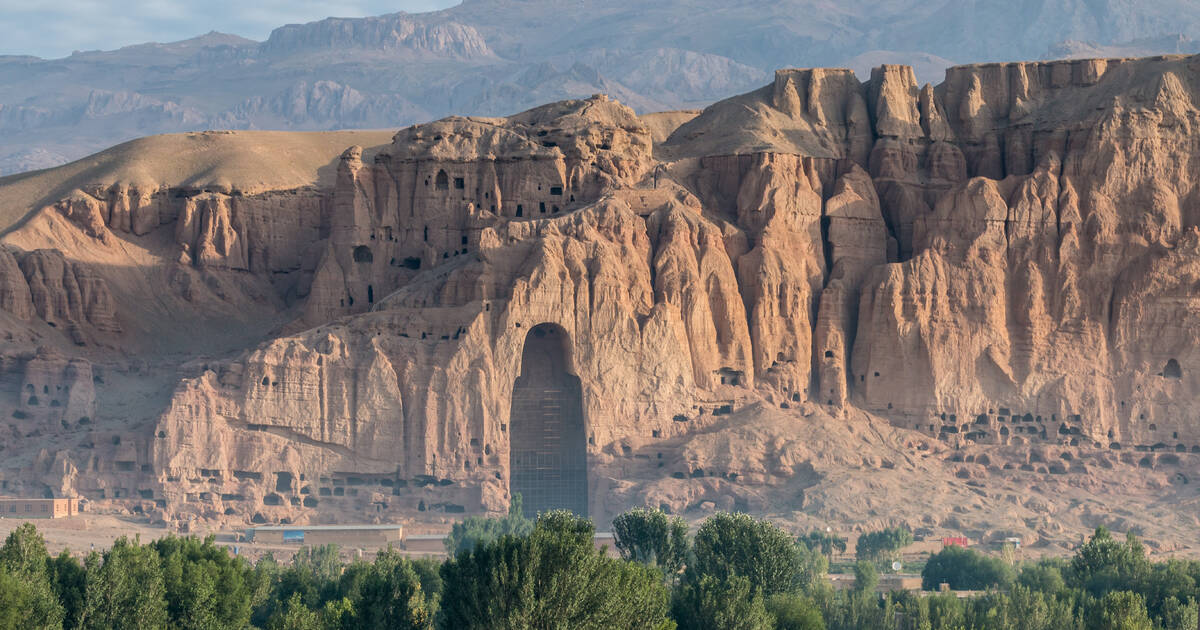 The Bamiyan Valley can be found directly in the center of Afghanistan. The historical and cultural significance of this place is widely acknowledged. It features remnants of a previous Buddhist culture that flourished there. Bamiyan is famous for the giant Buddha statues carved into the cliff faces that give the valley its name. Although, unfortunately, these statues were destroyed by the Taliban in 2001, the place still holds significant historical significance.
As a UNESCO World Heritage Site, the Bamiyan Valley continues to be visited by anyone curious about its rich cultural and archaeological past. Pieces of Buddha statues made centuries ago are still visible, attesting to the old artisans' expertise. Numerous caves and nooks, once used as monasteries, shrines, and frescoes, have been carved into the cliffs.
Beautiful landscapes of snow-capped mountains, deep rivers, and lush farms may be seen from the valley below. Hiking and horseback riding are popular ways for visitors to explore the surrounding area of the valley and take in the tranquil scenery. The welcoming nature of the locals makes it easy to meet people from diverse backgrounds and gain insight into their cultures.
Location: Afghanistan
Best time to visit: April to October
The Bamiyan Valley can be found directly in the center of Afghanistan. The historical and cultural significance of this place is widely acknowledged. It features remnants of a previous Buddhist culture that flourished there. Bamiyan is famous for the giant Buddha statues carved into the cliff faces that give the valley its name. Although, unfortunately, these statues were destroyed by the Taliban in 2001, the place still holds significant historical significance.
As a UNESCO World Heritage Site, the Bamiyan Valley continues to be visited by anyone curious about its rich cultural and archaeological past. Pieces of Buddha statues made centuries ago are still visible, attesting to the old artisans' expertise. Numerous caves and nooks, once used as monasteries, shrines, and frescoes, have been carved into the cliffs.
Beautiful landscapes of snow-capped mountains, deep rivers, and lush farms may be seen from the valley below. Hiking and horseback riding are popular ways for visitors to explore the surrounding area of the valley and take in the tranquil scenery. The welcoming nature of the locals makes it easy to meet people from diverse backgrounds and gain insight into their cultures.
Location: Afghanistan
Best time to visit: April to October
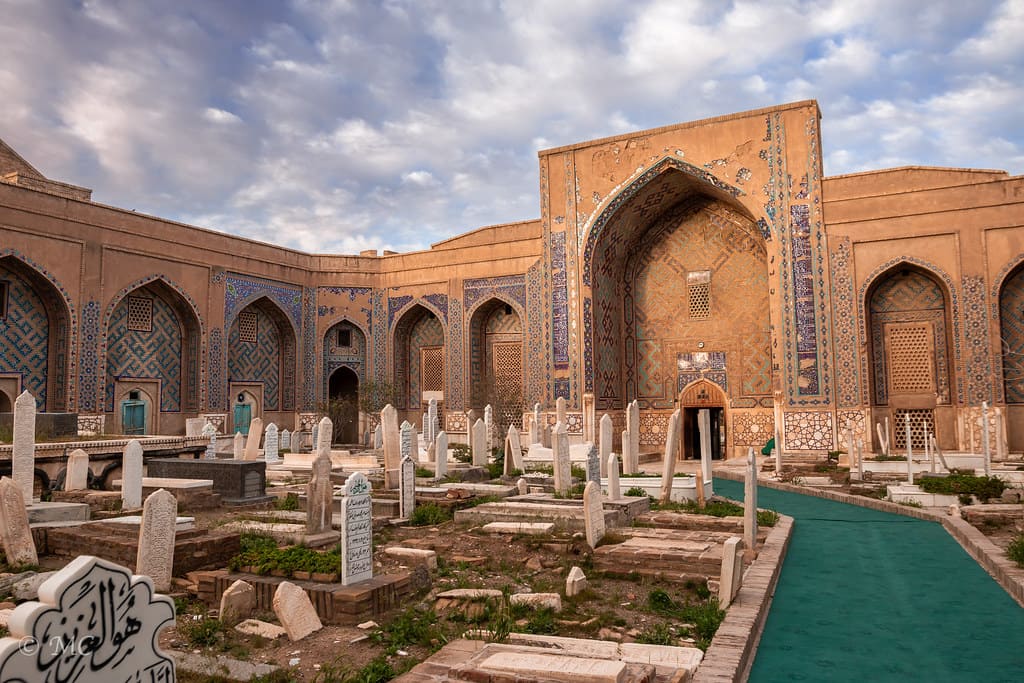 Located in the heart of Herat, Afghanistan, the Khawaja Abdullah Ansari Shrine is revered as a spiritual and cultural center. This piece is dedicated to Khawaja Abdullah Ansari, a revered Sufi artist and saint from the 11th century. Locals and visitors seek solace and pay their respects at the shrine dedicated to the renowned figure.
The shrine complex includes a mosque, a tomb, and other buildings. Afghanistan has an extremely rich cultural heritage, as evidenced by the ornate tile work, calligraphy, and decorative motifs on the structures. A peaceful garden provides a tranquil space for meditation or private prayer.
Inside the mosque lies the Tomb of Khawaja Abdullah Ansari. This is a place to reflect and display proper etiquette. Many believers make the pilgrimage there to seek the divine's favor. During major religious holidays and activities, the shrine is usually highly crowded.
There's more to see at the Khawaja Abdullah Ansari Shrine than merely a place of devotion. It also serves as a focal point for artistic and literary gatherings. Traditional music performances, poetry readings, and Sufi meetings are all a part of the program, allowing visitors to get insight into Afghanistan's deep cultural heritage.
Visiting the shrine gives you a sense of the region's religious and cultural history. You may also observe the profound effect of Sufism on the development of Afghanistan's culture and society.
Location: Herat
Best time to visit: N.A
Located in the heart of Herat, Afghanistan, the Khawaja Abdullah Ansari Shrine is revered as a spiritual and cultural center. This piece is dedicated to Khawaja Abdullah Ansari, a revered Sufi artist and saint from the 11th century. Locals and visitors seek solace and pay their respects at the shrine dedicated to the renowned figure.
The shrine complex includes a mosque, a tomb, and other buildings. Afghanistan has an extremely rich cultural heritage, as evidenced by the ornate tile work, calligraphy, and decorative motifs on the structures. A peaceful garden provides a tranquil space for meditation or private prayer.
Inside the mosque lies the Tomb of Khawaja Abdullah Ansari. This is a place to reflect and display proper etiquette. Many believers make the pilgrimage there to seek the divine's favor. During major religious holidays and activities, the shrine is usually highly crowded.
There's more to see at the Khawaja Abdullah Ansari Shrine than merely a place of devotion. It also serves as a focal point for artistic and literary gatherings. Traditional music performances, poetry readings, and Sufi meetings are all a part of the program, allowing visitors to get insight into Afghanistan's deep cultural heritage.
Visiting the shrine gives you a sense of the region's religious and cultural history. You may also observe the profound effect of Sufism on the development of Afghanistan's culture and society.
Location: Herat
Best time to visit: N.A
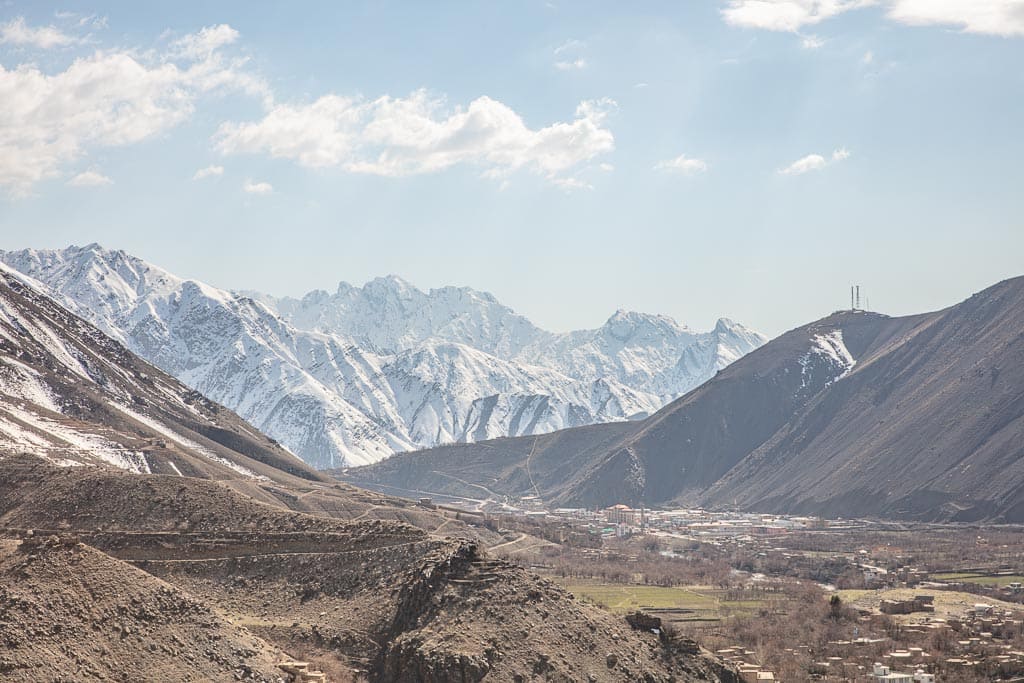 In Afghanistan, the Panjshir Mountains are among the country's most visited and well-known destinations for their stunning natural beauty. They are found throughout the northern and eastern regions of the country. These mighty peaks can be found in the Hindu Kush mountain range. They boast stunning scenery, rugged terrain, and an unhurried attitude.
Panjshir Valley is well-known for its picturesque landscape and tranquil environment. All around it are steep mountains. It's well-known for the abundance of wildlife and the stunning green slopes surrounding them. Several valley communities offer a glimpse of traditional Afghan culture.
The historical and cultural significance of the Panjshir Mountains cannot be understated. The Mujahideen launched attacks against Soviet forces from this valley during the Soviet-Afghan War in the 1980s. Panjshir Valley today symbolizes the resilience and determination of the Afghan people.
Activities in the Panjshir Mountains range from rock climbing and trekking to camping. Many of the trails in the region lead to secluded pools, scenic overlooks, and quaint villages. Visitors who appreciate the outdoors and those who aren't afraid to try anything new will have fond memories of this place thanks to its picturesque setting and welcoming inhabitants.
Location: Northeastern Afghanistan
Best time to visit: April to May, September - October
In Afghanistan, the Panjshir Mountains are among the country's most visited and well-known destinations for their stunning natural beauty. They are found throughout the northern and eastern regions of the country. These mighty peaks can be found in the Hindu Kush mountain range. They boast stunning scenery, rugged terrain, and an unhurried attitude.
Panjshir Valley is well-known for its picturesque landscape and tranquil environment. All around it are steep mountains. It's well-known for the abundance of wildlife and the stunning green slopes surrounding them. Several valley communities offer a glimpse of traditional Afghan culture.
The historical and cultural significance of the Panjshir Mountains cannot be understated. The Mujahideen launched attacks against Soviet forces from this valley during the Soviet-Afghan War in the 1980s. Panjshir Valley today symbolizes the resilience and determination of the Afghan people.
Activities in the Panjshir Mountains range from rock climbing and trekking to camping. Many of the trails in the region lead to secluded pools, scenic overlooks, and quaint villages. Visitors who appreciate the outdoors and those who aren't afraid to try anything new will have fond memories of this place thanks to its picturesque setting and welcoming inhabitants.
Location: Northeastern Afghanistan
Best time to visit: April to May, September - October
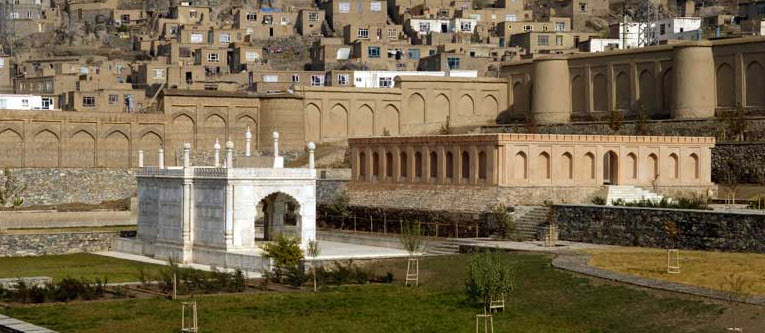 Kabul, the capital of Afghanistan, is home to a beautiful and well-known park known as Bagh-e-Babur, commonly known as the Gardens of Babur. Because it was commissioned by Emperor Babur, the first Mughal emperor, it holds significant cultural and historical significance for the region.
The garden has a lovely layout, with terraces, ponds, and pavilions that all contribute to a relaxing atmosphere. It's a terrific spot to unwind and reflect, thanks to the abundance of mature trees, tall grass, and brightly colored flowers. The pavilions' design and construction reflect the Mughals' profound influence on Afghan culture.
Bagh-e-Babur is more than just a stunning natural area; it also holds historical significance. The Emperor Babur is laid to rest among some of his family members in a tomb located in the park. Many pilgrims visit the Tomb because it is such a fine example of Mughal architecture.
Bagh-e-Babur has been revived and revitalized in recent years. Visitors can explore the grounds on foot, set up a picnic, or simply relax and enjoy the scenery.
Location: Kabul
Best time to visit: During summer
Kabul, the capital of Afghanistan, is home to a beautiful and well-known park known as Bagh-e-Babur, commonly known as the Gardens of Babur. Because it was commissioned by Emperor Babur, the first Mughal emperor, it holds significant cultural and historical significance for the region.
The garden has a lovely layout, with terraces, ponds, and pavilions that all contribute to a relaxing atmosphere. It's a terrific spot to unwind and reflect, thanks to the abundance of mature trees, tall grass, and brightly colored flowers. The pavilions' design and construction reflect the Mughals' profound influence on Afghan culture.
Bagh-e-Babur is more than just a stunning natural area; it also holds historical significance. The Emperor Babur is laid to rest among some of his family members in a tomb located in the park. Many pilgrims visit the Tomb because it is such a fine example of Mughal architecture.
Bagh-e-Babur has been revived and revitalized in recent years. Visitors can explore the grounds on foot, set up a picnic, or simply relax and enjoy the scenery.
Location: Kabul
Best time to visit: During summer
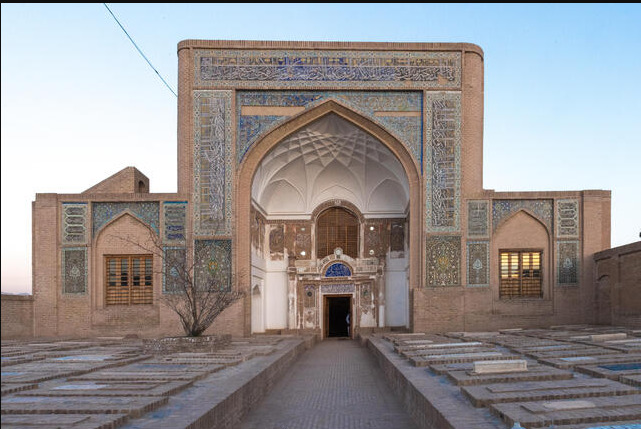 Jami's Tomb, also known as the Goharshad Mosque, is an important historical and architectural landmark in Herat, Afghanistan's cultural capital. It's also commonly referred to as the Goharshad Mosque. As a prominent Islamic structure, it plays a significant role in Afghan history, religion, and culture.
Jami was a prominent Sufi mystic and poet from Persia who flourished in the 15th century. Those who visit his Tomb do so out of respect. Goharshad, the wife of the Timurid ruler Shah Rukh, issued the decree that construction begins. The complex consists of a mosque, mausoleum, tower, and madrasa, an Islamic educational institution.
Jami's Tomb is a stunning structure with its mosaic floors, calligraphy, and geometric patterns. The turquoise blue color of the domes and minarets complements the overall aesthetic of the structure. Visitors to the mosque can take in the tranquil setting and see the exquisite architecture of the prayer hall.
Jami's Tomb is a stunning architectural feat and a sacred and culturally significant site. The Sufi Muslims who visit here seek enlightenment and show their respect for Jami. The tomb complex also serves as a year-round venue for cultural activities and Islamic education.
Jami's Tomb is a great place to gain insight into Afghanistan's history and how it has influenced Islamic thought and practice. Incorporating art, history, and spiritual elements, it is a must-see for anybody curious about Afghan culture and architecture.
Location: Torbat-e Jam, Khorasan Razavi
Best time to visit: July
Jami's Tomb, also known as the Goharshad Mosque, is an important historical and architectural landmark in Herat, Afghanistan's cultural capital. It's also commonly referred to as the Goharshad Mosque. As a prominent Islamic structure, it plays a significant role in Afghan history, religion, and culture.
Jami was a prominent Sufi mystic and poet from Persia who flourished in the 15th century. Those who visit his Tomb do so out of respect. Goharshad, the wife of the Timurid ruler Shah Rukh, issued the decree that construction begins. The complex consists of a mosque, mausoleum, tower, and madrasa, an Islamic educational institution.
Jami's Tomb is a stunning structure with its mosaic floors, calligraphy, and geometric patterns. The turquoise blue color of the domes and minarets complements the overall aesthetic of the structure. Visitors to the mosque can take in the tranquil setting and see the exquisite architecture of the prayer hall.
Jami's Tomb is a stunning architectural feat and a sacred and culturally significant site. The Sufi Muslims who visit here seek enlightenment and show their respect for Jami. The tomb complex also serves as a year-round venue for cultural activities and Islamic education.
Jami's Tomb is a great place to gain insight into Afghanistan's history and how it has influenced Islamic thought and practice. Incorporating art, history, and spiritual elements, it is a must-see for anybody curious about Afghan culture and architecture.
Location: Torbat-e Jam, Khorasan Razavi
Best time to visit: July
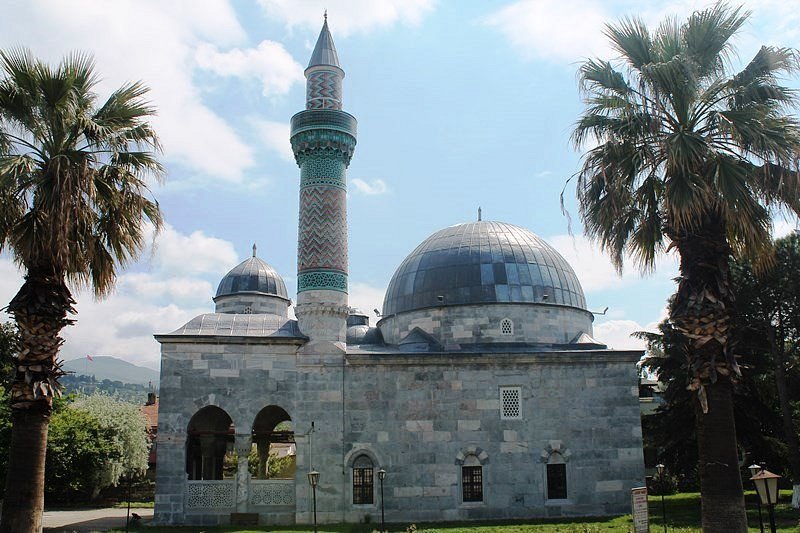 The Green Mosque is a popular tourist destination in Afghanistan. It is also known as the Shrine of Ali or the Mazar-e-Sharif. The city of Mazar-e-Sharif in the province of Balkh is home to the mosque. This is of the utmost significance for Muslims, especially those who identify with the Sufi tradition.
The dome of the Green Mosque is tiled in bright green, which gives the mosque its
name and gives the structure a distinctive appearance. The mosque is the centerpiece of a larger complex, including a courtyard, prayer halls, and a holy pool. The walls are covered in intricate calligraphy and vivid mosaics that showcase Afghanistan's long and illustrious cultural heritage.
Hazrat Ali, the Prophet Muhammad's cousin, and son-in-law, is said to be buried in the holy shrine of the Green Mosque. People from many walks of life visit the mosque to worship and pay their respects. Many different kinds of religious rituals and ceremonies are performed, and the atmosphere is deep devotion.
Visit these 10 Most Beautiful Mosques In Turkey That Are Not To Be Missed
Location: Bursa
Best time to visit: November to March
The Green Mosque is a popular tourist destination in Afghanistan. It is also known as the Shrine of Ali or the Mazar-e-Sharif. The city of Mazar-e-Sharif in the province of Balkh is home to the mosque. This is of the utmost significance for Muslims, especially those who identify with the Sufi tradition.
The dome of the Green Mosque is tiled in bright green, which gives the mosque its
name and gives the structure a distinctive appearance. The mosque is the centerpiece of a larger complex, including a courtyard, prayer halls, and a holy pool. The walls are covered in intricate calligraphy and vivid mosaics that showcase Afghanistan's long and illustrious cultural heritage.
Hazrat Ali, the Prophet Muhammad's cousin, and son-in-law, is said to be buried in the holy shrine of the Green Mosque. People from many walks of life visit the mosque to worship and pay their respects. Many different kinds of religious rituals and ceremonies are performed, and the atmosphere is deep devotion.
Visit these 10 Most Beautiful Mosques In Turkey That Are Not To Be Missed
Location: Bursa
Best time to visit: November to March
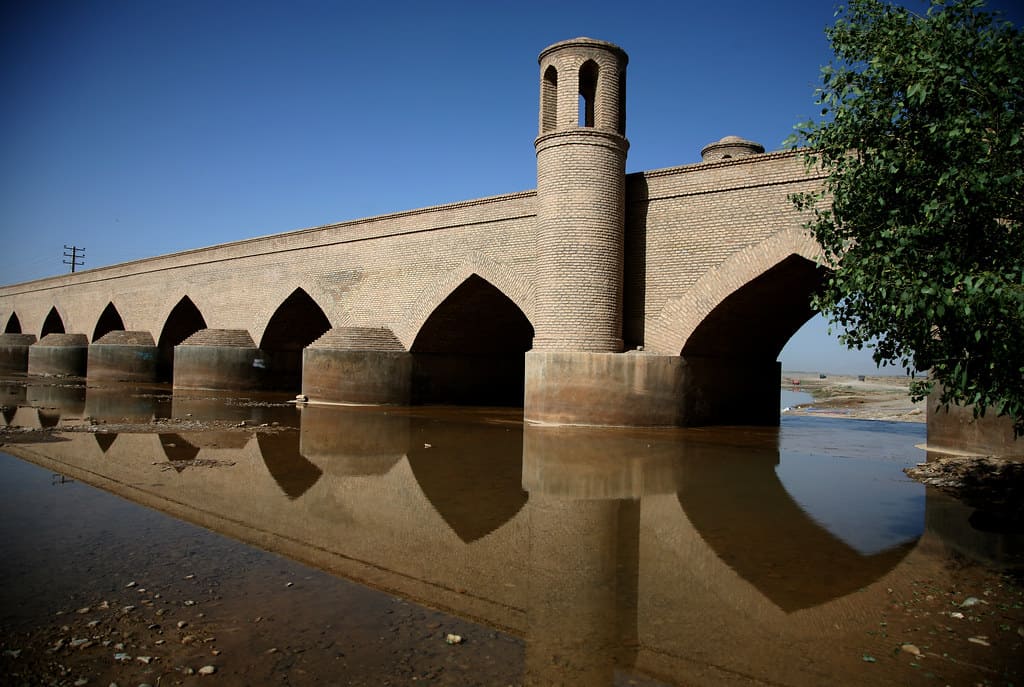 The Malan Bridge, also known as the Pul-e Malan, is a famous crossing in Kabul, the capital of Afghanistan. Alternatively, you may know it as the Pul-e Malan. It attracts many tourists and locals alike, making it one of the most popular tourist destinations in the country.
The bridge crosses the Kabul River and links the two ends of the city. The Kabuli rickshaw is more than just a mode of transportation; it also serves as a potent symbol of the city. In the early 20th century, under the reign of King Amanullah Khan, construction began on the Malan Bridge. Expert French craftsmanship brought this into being in 1928.
The Malan Bridge is an engineering marvel and a cultural landmark. It has witnessed the rise of Kabul and the rest of Afghanistan as significant metropolises through wars and changes in administration. The bridge has become a symbol of Afghan resilience and perseverance.
When you visit the Malan Bridge, you'll get an extraordinary perspective of Kabul's urban landscape. The river in Kabul, the surrounding mountains, and the bustling city below can all be seen from this bridge. Crossing the bridge is an exercise in patience, as it is frequently crowded with pedestrians, cyclists, and motorists.
The area around the Malan Bridge has likewise developed into a vibrant public space. The bridge is a hub of activity, with people from all walks of life congregating to shop, view art, and listen to performers. People from the neighborhood often congregate on the bridge to chat, take a breather, and take in scenic vistas.
Location: Herat
Best time to visit: N.A
The Malan Bridge, also known as the Pul-e Malan, is a famous crossing in Kabul, the capital of Afghanistan. Alternatively, you may know it as the Pul-e Malan. It attracts many tourists and locals alike, making it one of the most popular tourist destinations in the country.
The bridge crosses the Kabul River and links the two ends of the city. The Kabuli rickshaw is more than just a mode of transportation; it also serves as a potent symbol of the city. In the early 20th century, under the reign of King Amanullah Khan, construction began on the Malan Bridge. Expert French craftsmanship brought this into being in 1928.
The Malan Bridge is an engineering marvel and a cultural landmark. It has witnessed the rise of Kabul and the rest of Afghanistan as significant metropolises through wars and changes in administration. The bridge has become a symbol of Afghan resilience and perseverance.
When you visit the Malan Bridge, you'll get an extraordinary perspective of Kabul's urban landscape. The river in Kabul, the surrounding mountains, and the bustling city below can all be seen from this bridge. Crossing the bridge is an exercise in patience, as it is frequently crowded with pedestrians, cyclists, and motorists.
The area around the Malan Bridge has likewise developed into a vibrant public space. The bridge is a hub of activity, with people from all walks of life congregating to shop, view art, and listen to performers. People from the neighborhood often congregate on the bridge to chat, take a breather, and take in scenic vistas.
Location: Herat
Best time to visit: N.A