
/
/
Halloween is a holiday that comes on every 31 october. Read this blog to know its importance, where it is celebrated and how it is celebrated around the world.
 The story of Halloween is like a ghostly tapestry woven from various ancient traditions and customs.
 Now, you might be wondering, when exactly is Halloween celebrated? Halloween falls on the night of October 31st every year. But why this specific date?
The origins of the October 31st date are tied to ancient Celtic traditions. The Celts celebrated a festival known as Samhain, marking the end of the harvest season and the beginning of winter. It was believed that during Samhain, the boundary between the living and the dead was blurred, allowing spirits to roam the earth.
In the 8th century, the Christian church established "All Hallows' Day" on November 1st to honor saints and martyrs. The night before, which was October 31st, became known as "All Hallows' Eve" or Halloween. Over time, Halloween adopted customs from various cultures and evolved into the celebration we know today.
Also check out: Akshay Kumar And Kiara Advani’s ‘Laxmii’ Drops New Poster On Halloween, Check Out
Now, you might be wondering, when exactly is Halloween celebrated? Halloween falls on the night of October 31st every year. But why this specific date?
The origins of the October 31st date are tied to ancient Celtic traditions. The Celts celebrated a festival known as Samhain, marking the end of the harvest season and the beginning of winter. It was believed that during Samhain, the boundary between the living and the dead was blurred, allowing spirits to roam the earth.
In the 8th century, the Christian church established "All Hallows' Day" on November 1st to honor saints and martyrs. The night before, which was October 31st, became known as "All Hallows' Eve" or Halloween. Over time, Halloween adopted customs from various cultures and evolved into the celebration we know today.
Also check out: Akshay Kumar And Kiara Advani’s ‘Laxmii’ Drops New Poster On Halloween, Check Out
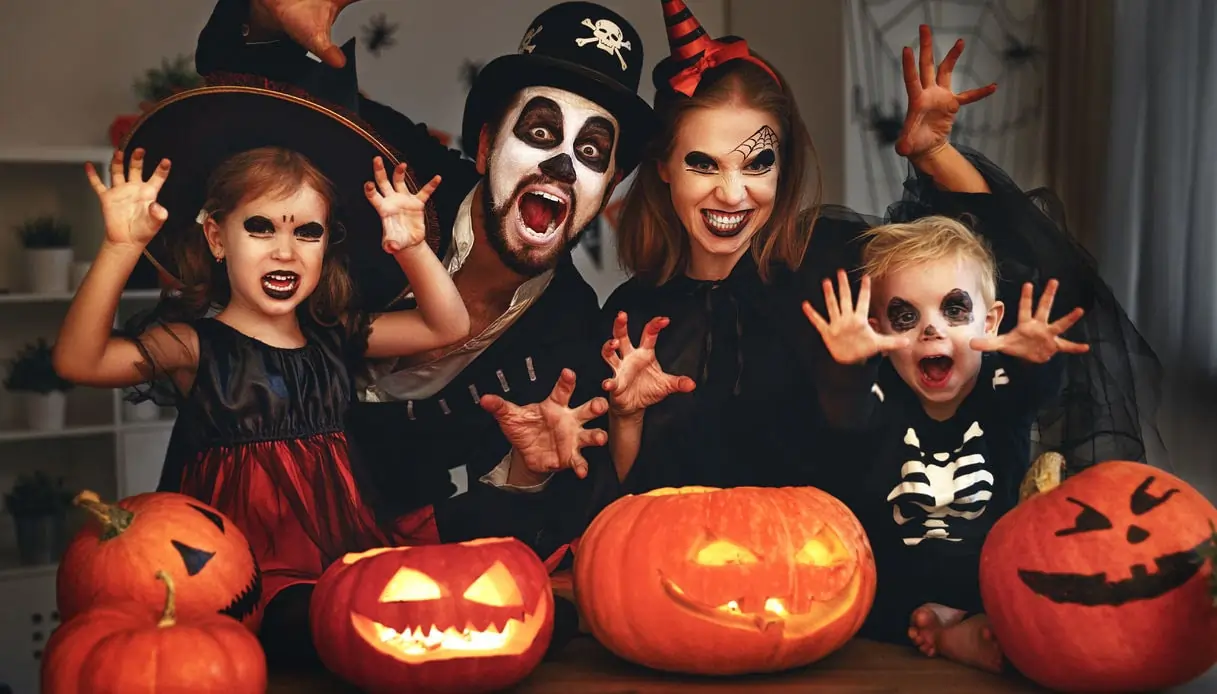 There is no single tradition that governs the celebration of Halloween; rather, it is a blank canvas on which people can paint their own imaginative interpretations. Here are some unique Halloween traditions that make the holiday even more fascinating:
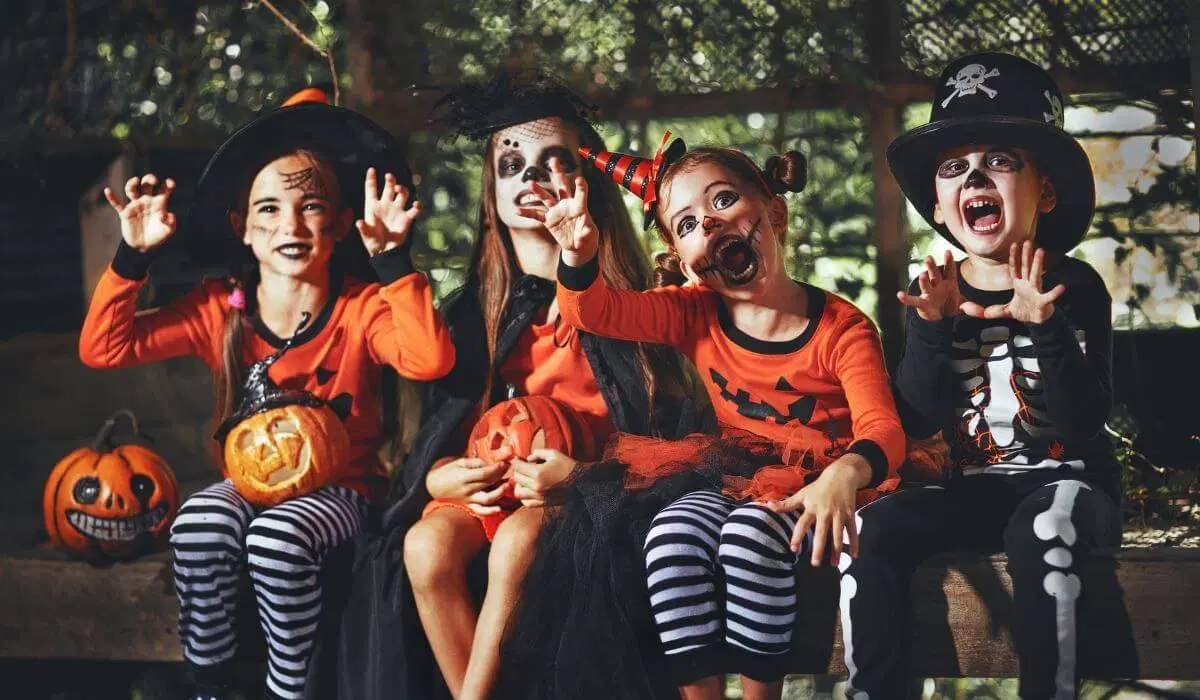
Costumes: The heart and soul of Halloween, dressing up in costumes allows people to become anything or anyone they desire for a night. From spooky ghosts to whimsical witches, creativity knows no bounds.
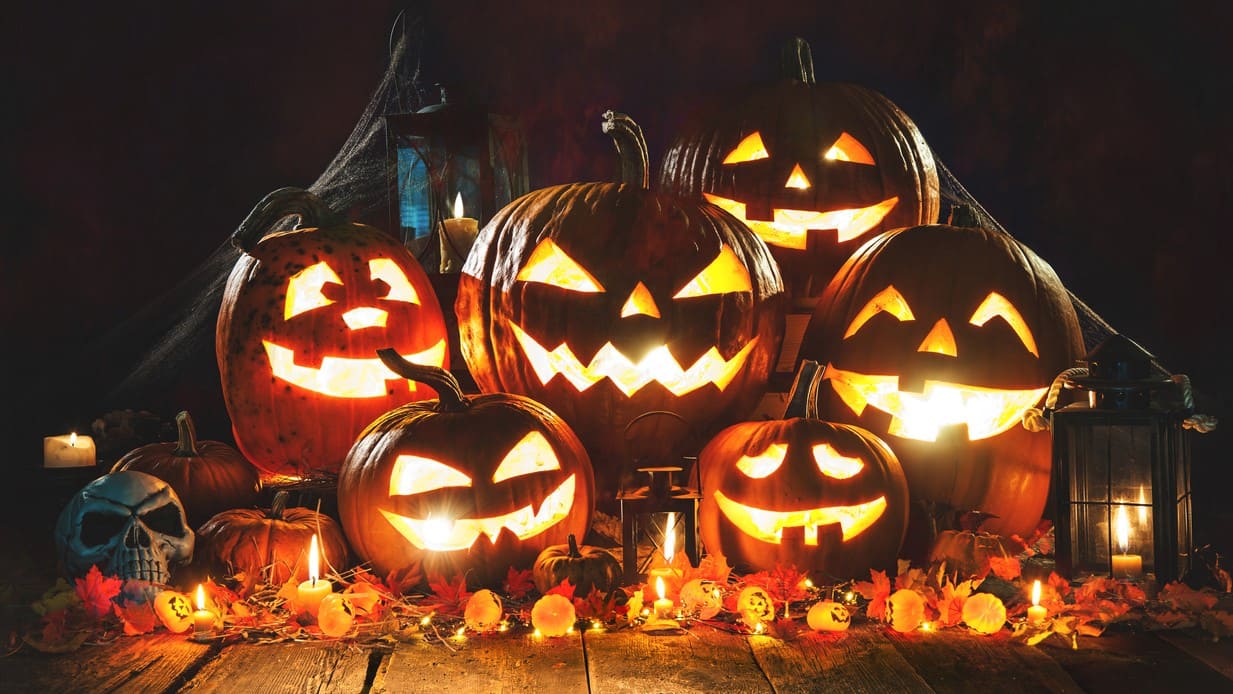
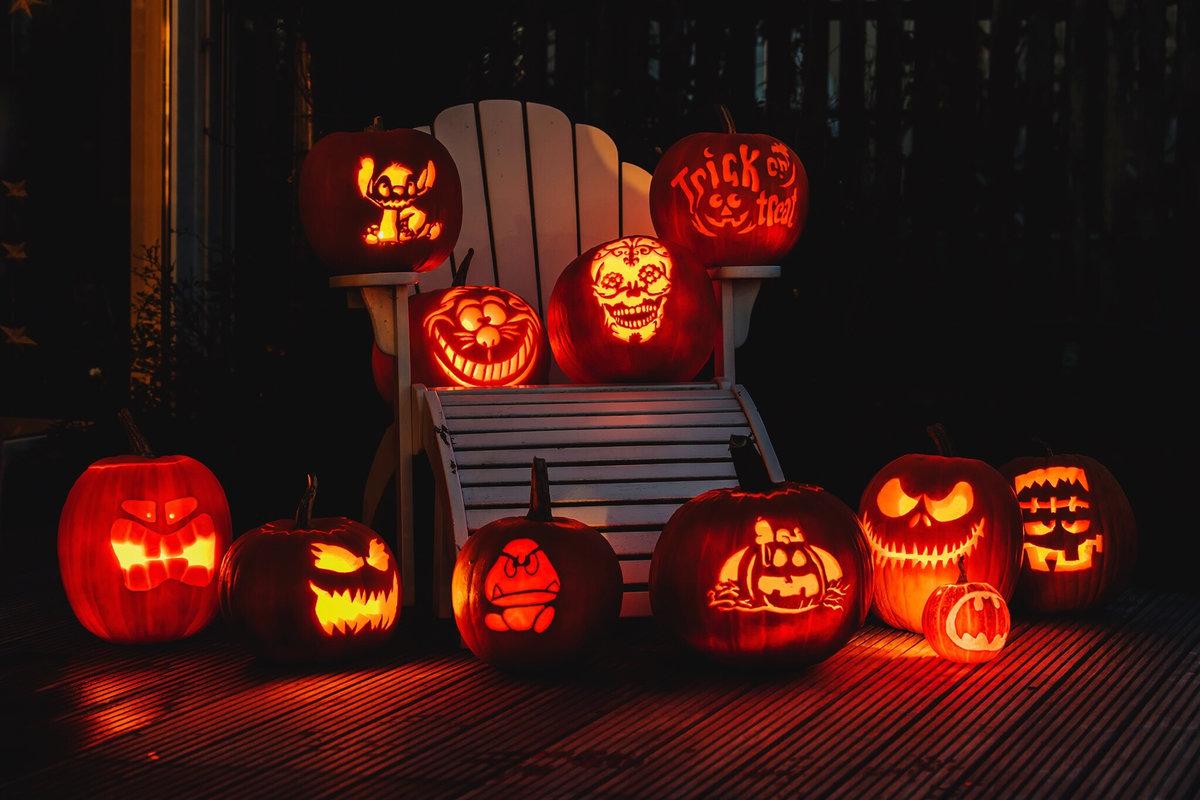
Pumpkin Carving: Carving pumpkins is an art form during Halloween. People meticulously cut out intricate designs and place a candle inside, turning pumpkins into eerie yet inviting jack-o'-lanterns that light up the night.
Trick-or-treating: Children don their costumes and venture out into the neighborhood, knocking on doors and shouting, "Trick or treat!" in exchange for candy. It's a time-honored tradition that brings communities together.
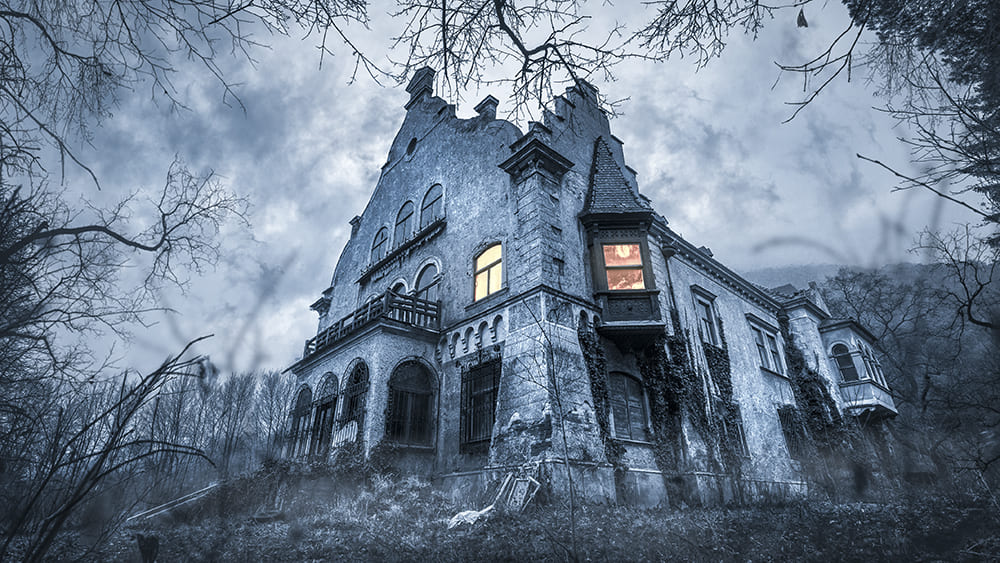
Haunted Houses: For those who crave a spine-tingling experience, haunted houses offer a dose of horror. These attractions are designed to scare and surprise, making them a popular destination for thrill-seekers.
There is no single tradition that governs the celebration of Halloween; rather, it is a blank canvas on which people can paint their own imaginative interpretations. Here are some unique Halloween traditions that make the holiday even more fascinating:
Costumes: The heart and soul of Halloween, dressing up in costumes allows people to become anything or anyone they desire for a night. From spooky ghosts to whimsical witches, creativity knows no bounds.
Pumpkin Carving: Carving pumpkins is an art form during Halloween. People meticulously cut out intricate designs and place a candle inside, turning pumpkins into eerie yet inviting jack-o'-lanterns that light up the night.
Trick-or-treating: Children don their costumes and venture out into the neighborhood, knocking on doors and shouting, "Trick or treat!" in exchange for candy. It's a time-honored tradition that brings communities together.
Haunted Houses: For those who crave a spine-tingling experience, haunted houses offer a dose of horror. These attractions are designed to scare and surprise, making them a popular destination for thrill-seekers.
 Apple Bobbing: A classic game where apples float in a basin of water and players try to grab one using only their teeth. It's a test of skill and bravery that adds a playful element to the celebrations.
Ghost Stories: Halloween wouldn't be complete without a good old ghost story. Gather around a campfire, or just dim the lights, and let your imagination run wild with tales of the supernatural.
Day of the Dead Altars: In some cultures, like Mexico, Halloween blends with the Day of the Dead. Families build altars with offerings to honor and remember their deceased loved ones.
Apple Bobbing: A classic game where apples float in a basin of water and players try to grab one using only their teeth. It's a test of skill and bravery that adds a playful element to the celebrations.
Ghost Stories: Halloween wouldn't be complete without a good old ghost story. Gather around a campfire, or just dim the lights, and let your imagination run wild with tales of the supernatural.
Day of the Dead Altars: In some cultures, like Mexico, Halloween blends with the Day of the Dead. Families build altars with offerings to honor and remember their deceased loved ones.
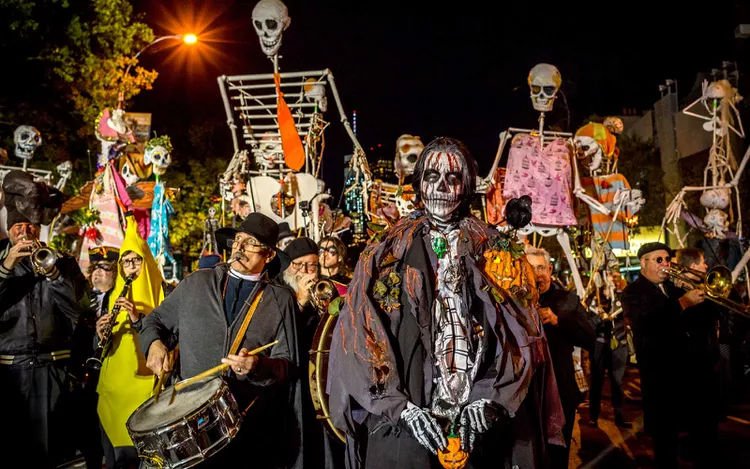 United States: When we think of Halloween, the United States usually comes to mind first. It's the birthplace of the modern Halloween celebration. In the U.S., this eerie extravaganza involves carved pumpkins, endless candy, and elaborate costumes. Trick-or-treating is a cherished tradition where kids go door-to-door, saying "trick or treat," to collect sweets. Haunted houses, parades, and costume parties make it a night to remember for folks of all ages.
Read more: 15 Upcoming Festivals In The US That No Traveler Should Miss
Halloween in Ireland: Here, Halloween is celebrated with bonfires, and children play traditional games like "snap-apple." The Jack-o'-lantern, a carved pumpkin with a candle inside, has Irish origins. In Ireland, Halloween is more about history and tradition than commercialized festivities.
United States: When we think of Halloween, the United States usually comes to mind first. It's the birthplace of the modern Halloween celebration. In the U.S., this eerie extravaganza involves carved pumpkins, endless candy, and elaborate costumes. Trick-or-treating is a cherished tradition where kids go door-to-door, saying "trick or treat," to collect sweets. Haunted houses, parades, and costume parties make it a night to remember for folks of all ages.
Read more: 15 Upcoming Festivals In The US That No Traveler Should Miss
Halloween in Ireland: Here, Halloween is celebrated with bonfires, and children play traditional games like "snap-apple." The Jack-o'-lantern, a carved pumpkin with a candle inside, has Irish origins. In Ireland, Halloween is more about history and tradition than commercialized festivities.
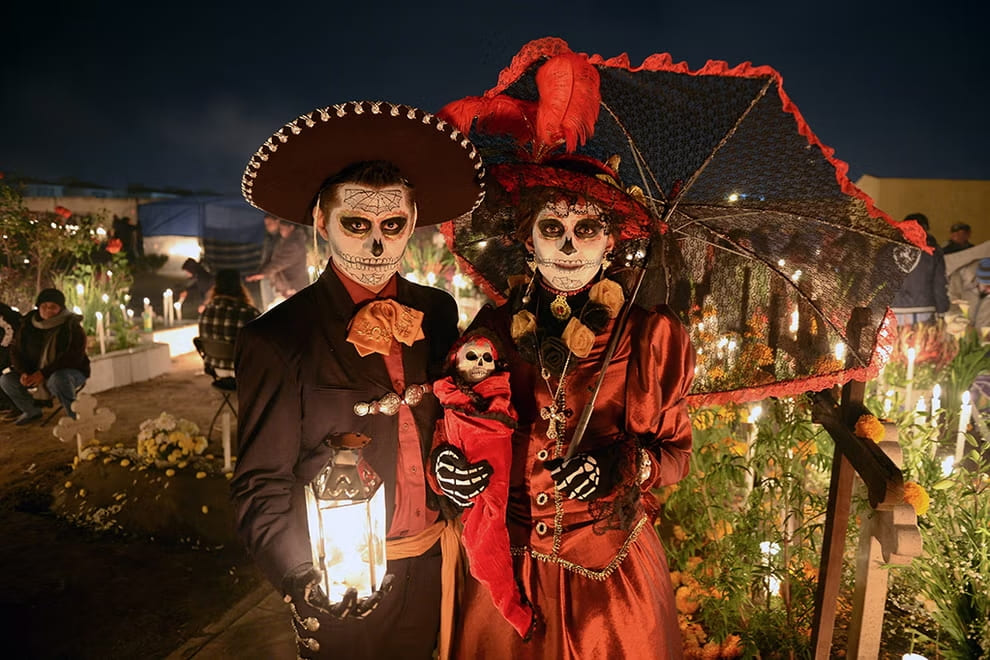
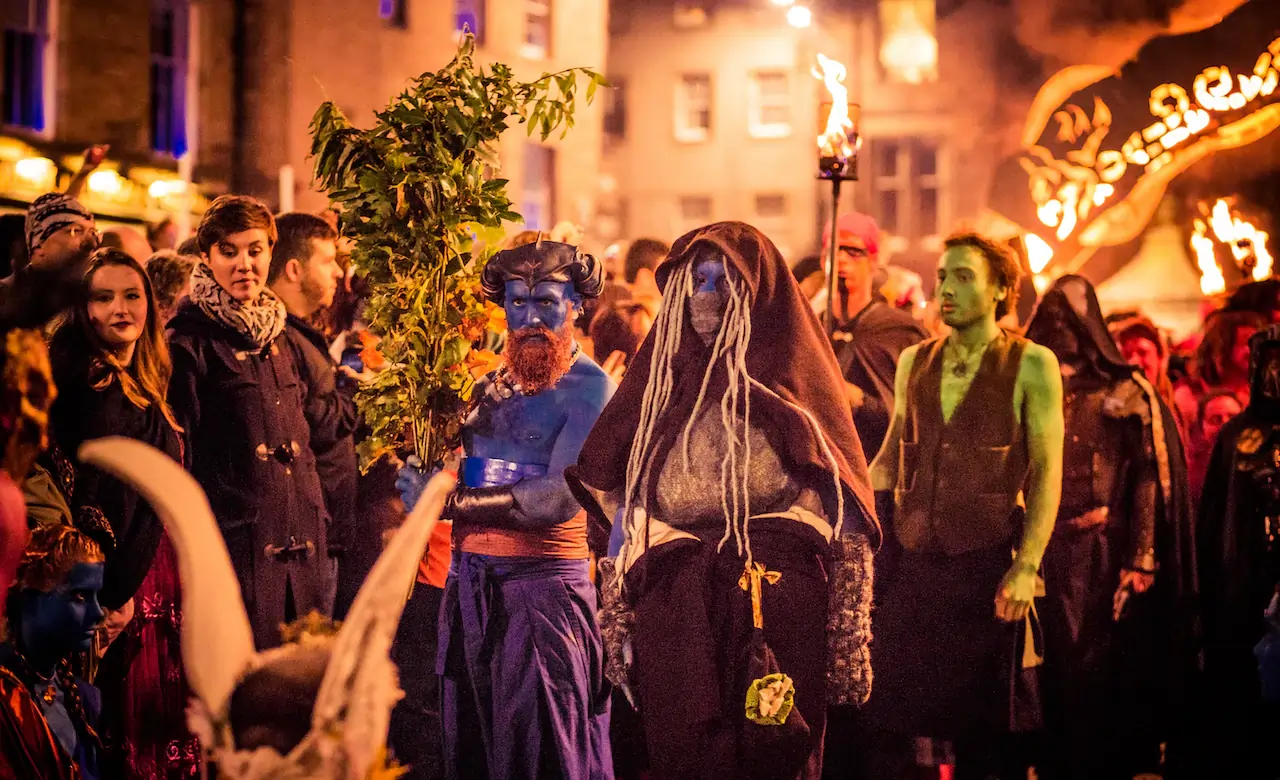 Halloween in Mexico: South of the border, in Mexico, they celebrate the Day of the Dead, or Dia de los Muertos. While it may sound spooky, it's a colorful and joyful remembrance of deceased loved ones. Families build altars with photos and favorite foods of the departed, and sugar skulls and marigold flowers adorn the streets. The celebration is a fusion of indigenous traditions and Catholicism, emphasizing the belief that death is a natural part of the human experience.
Halloween in Japan: Japan's Halloween has a unique twist. It started as a marketing ploy but has now become a real sensation. Here, it's not about trick-or-treating or scary costumes; it's all about dressing up in cute, whimsical costumes and taking pictures. Costumed youngsters gather in trendy neighborhoods like Shibuya in Tokyo, creating a spectacle for onlookers and photographers.
Halloween in the United Kingdom: People carve turnips or beets instead of pumpkins and light them with candles, a practice harking back to Irish customs. Kids in costumes go door-to-door, collecting sweets, similar to the American tradition. And, of course, costume parties and spooky decorations have gained popularity in recent years.
Halloween in Mexico: South of the border, in Mexico, they celebrate the Day of the Dead, or Dia de los Muertos. While it may sound spooky, it's a colorful and joyful remembrance of deceased loved ones. Families build altars with photos and favorite foods of the departed, and sugar skulls and marigold flowers adorn the streets. The celebration is a fusion of indigenous traditions and Catholicism, emphasizing the belief that death is a natural part of the human experience.
Halloween in Japan: Japan's Halloween has a unique twist. It started as a marketing ploy but has now become a real sensation. Here, it's not about trick-or-treating or scary costumes; it's all about dressing up in cute, whimsical costumes and taking pictures. Costumed youngsters gather in trendy neighborhoods like Shibuya in Tokyo, creating a spectacle for onlookers and photographers.
Halloween in the United Kingdom: People carve turnips or beets instead of pumpkins and light them with candles, a practice harking back to Irish customs. Kids in costumes go door-to-door, collecting sweets, similar to the American tradition. And, of course, costume parties and spooky decorations have gained popularity in recent years.
 Halloween in Italy: Kids dress up in costumes and enjoy treats. However, it's not as deeply rooted as some other traditions, making it a more low-key celebration. Some areas in Italy also have their own unique variations, reflecting the country's diverse cultural regions.
Halloween in China: Halloween-themed parties and events have become popular in major cities like Shanghai and Beijing. In China, it's a time for young adults to dress up, party, and have fun. You can find costume stores and themed decorations, making it a vibrant and enjoyable experience for those who participate.
Halloween in Australia: Kids in costumes go door-to-door, and you'll find plenty of Halloween-themed parties and decorations. Since it falls in the Southern Hemisphere's spring, Australians often celebrate with barbecues and outdoor activities.
Halloween in Italy: Kids dress up in costumes and enjoy treats. However, it's not as deeply rooted as some other traditions, making it a more low-key celebration. Some areas in Italy also have their own unique variations, reflecting the country's diverse cultural regions.
Halloween in China: Halloween-themed parties and events have become popular in major cities like Shanghai and Beijing. In China, it's a time for young adults to dress up, party, and have fun. You can find costume stores and themed decorations, making it a vibrant and enjoyable experience for those who participate.
Halloween in Australia: Kids in costumes go door-to-door, and you'll find plenty of Halloween-themed parties and decorations. Since it falls in the Southern Hemisphere's spring, Australians often celebrate with barbecues and outdoor activities.