When discussing India's most sacred religious sites, the Jagannath Puri temple in Odisha is among the first to come to mind. It is not merely a temple but a foc
When discussing India's most sacred religious sites, the Jagannath Puri temple in Odisha is among the first to come to mind. It is not merely a temple but a focal point of faith for millions of devotees. Every year, hundreds of thousands of people arrive here to seek the blessings of Lord Jagannath, Lord Balabhadra, and Goddess Subhadra. The spectacle is particularly magnificent during the Rath Yatra (Chariot Festival).
If you are planning a trip to Puri for the first time, this travel guide will prove extremely useful. It consolidates everything you need in one place: the significance of the pilgrimage, a complete three-day itinerary, places to visit, culinary highlights, budget details, and essential tips.
Why is Jagannath Puri famous?
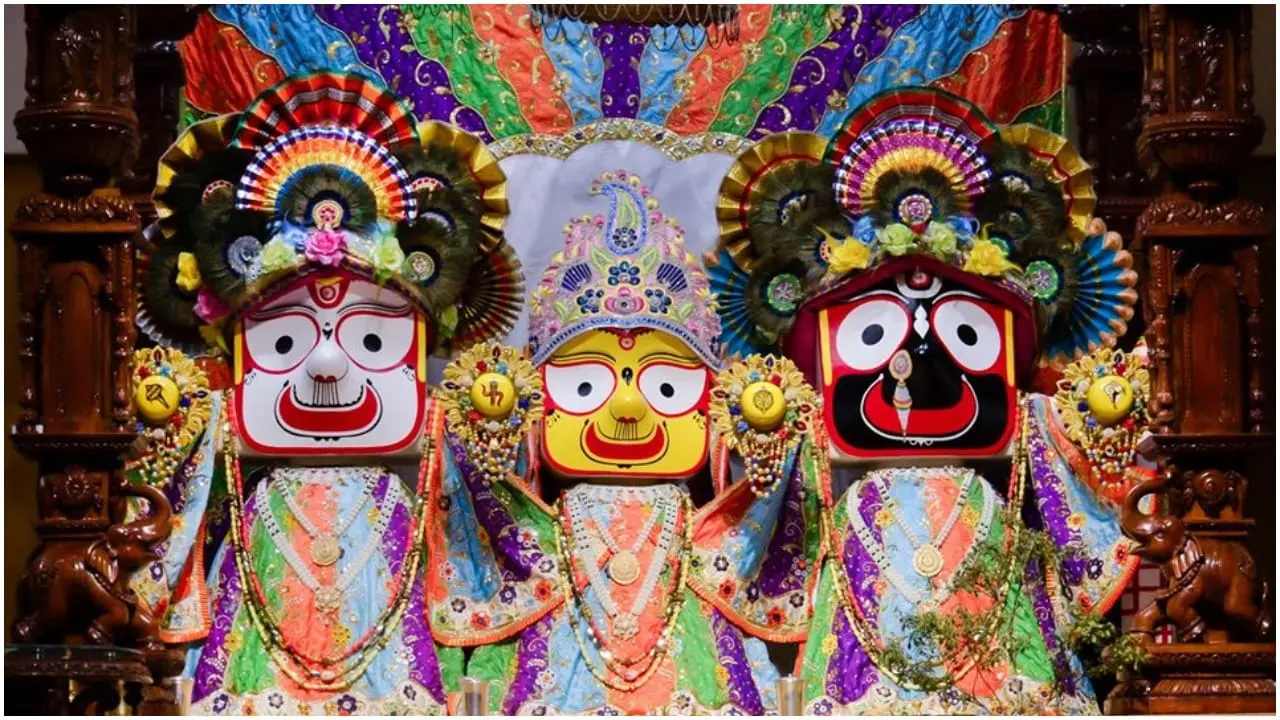
Puri is one of India's four major 'Char Dham' pilgrimage sites. It is believed that catching a glimpse of Lord Jagannath at least once in a lifetime brings spiritual peace and leads to Moksha (salvation). The 12th-century Shri Jagannath Temple located here is renowned for its unique traditions, massive kitchen, and the world-famous Rath Yatra.
Why is the Jagannath Rath Yatra held?
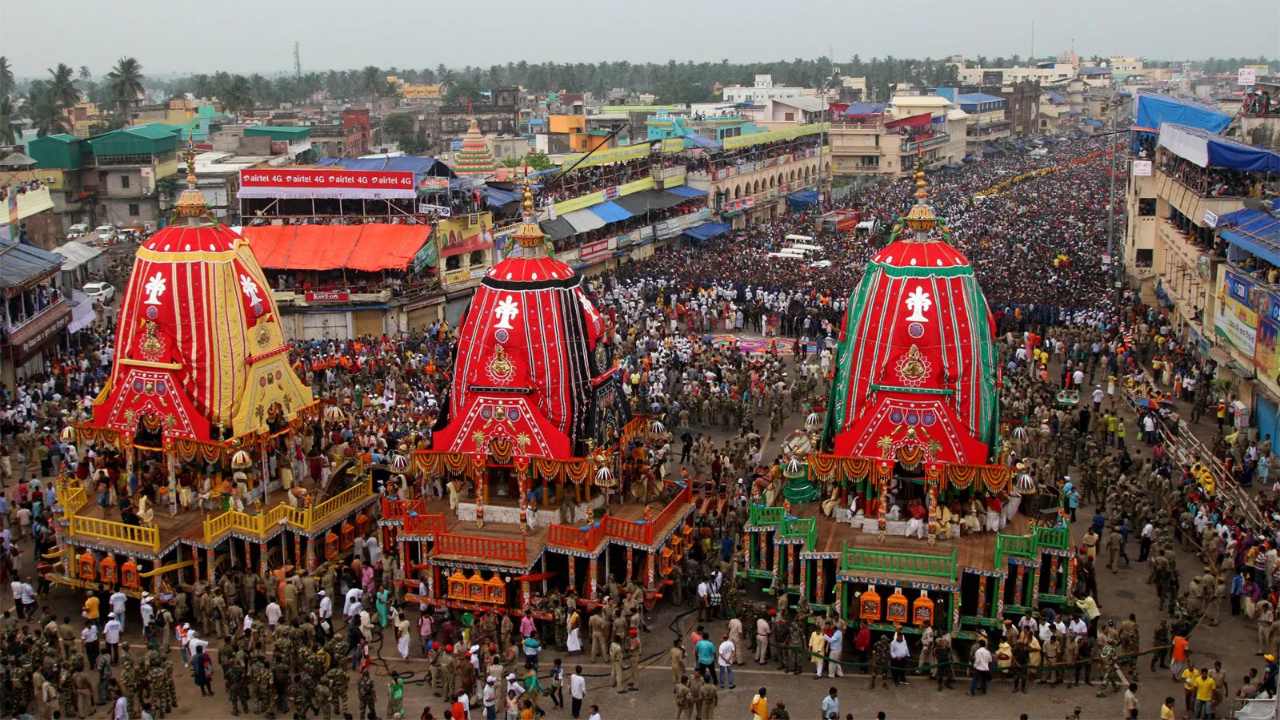
Every year, during the month of Ashadha, Lord Jagannath, along with his elder brother Balabhadra and sister Subhadra, leaves the main temple to travel to the Gundicha Temple.
This journey is believed to symbolize the deities visiting their aunt's home. Millions of devotees pull the massive chariots using ropes. It is said that pulling the chariot is highly auspicious and brings spiritual merit. The Rath Yatra is considered one of the largest religious events in the world.
Why does Lord Jagannath develop a fever before the Rath Yatra?
About 15 days before the Rath Yatra begins, a special ritual known as Snana Purnima (the full moon day of bathing) takes place. On this day, Lord Jagannath, his elder brother Balabhadra, and his sister Subhadra are brought out from the temple's sanctum sanctorum and seated on the Snana Mandap (bathing platform). Here, the three deities are bathed with holy water from 108 pitchers.
It is believed that Lord Jagannath develops a fever after this bath in such cold water. Following this, the Lord remains ill for approximately 15 days. This period is known as Anavasara. During these 15 days, the temple's main gates remain closed to devotees, and the deity is not available for public viewing (darshan).
During this time, the Lord undergoes Ayurvedic treatment; he is offered light food, herbal decoctions, and medicines. It is said that by falling ill just like ordinary humans, the Lord conveys the message that everyone needs to take care of their health. After 15 days, the Lord recovers and grants darshan (a holy glimpse) to the devotees for the first time. This event is known as Nava Yauvana Darshan. The grand Jagannath Rath Yatra begins the very next day.
The Story of the Jagannath Rath Yatra
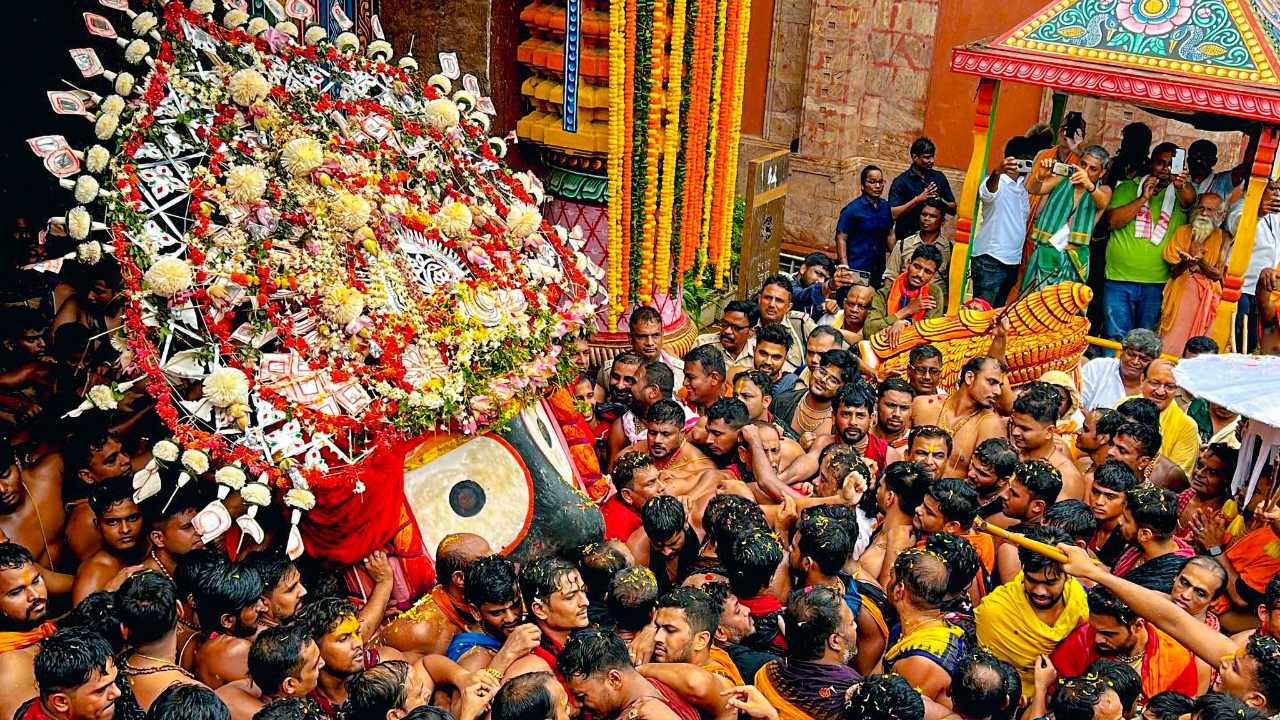
The Jagannath Rath Yatra is one of India's largest religious events. It is organized annually on the second day (Dwitiya) of the bright fortnight (Shukla Paksha) of the Ashadha month.
Why is the Rath Yatra organized?
There are several religious beliefs associated with it.
1. The tradition of visiting the aunt's house
According to the most popular legend, Lord Jagannath, along with his sister Subhadra and brother Balabhadra, visits his aunt's house every year. The Gundicha Temple in Puri is considered to be the Lord's aunt's house. Riding on three massive chariots, the deities journey from the main temple to the Gundicha Temple, located approximately 3 kilometers away.
They rest there for seven days. This is followed by the return journey, known as Bahuda Yatra.
2. The desire to visit Vrindavan
According to another belief, even while residing in Dwarka, Lord Krishna constantly remembered Vrindavan and His devotees. This very wish of the Lord is fulfilled through the Jagannath Rath Yatra. The procession symbolizes the Lord coming amidst His devotees.
3. The tradition of granting Darshan to all devotees
On ordinary days, the Lord resides within the sanctum sanctorum of the temple. However, during the Rath Yatra, the Lord Himself emerges from the temple to come among His devotees. On this day, people of all religions, castes, and social classes can catch a glimpse (Darshan) of the Lord. This is why it is also described as "the arrival of the Lord amidst the common people."
Names of the three chariots
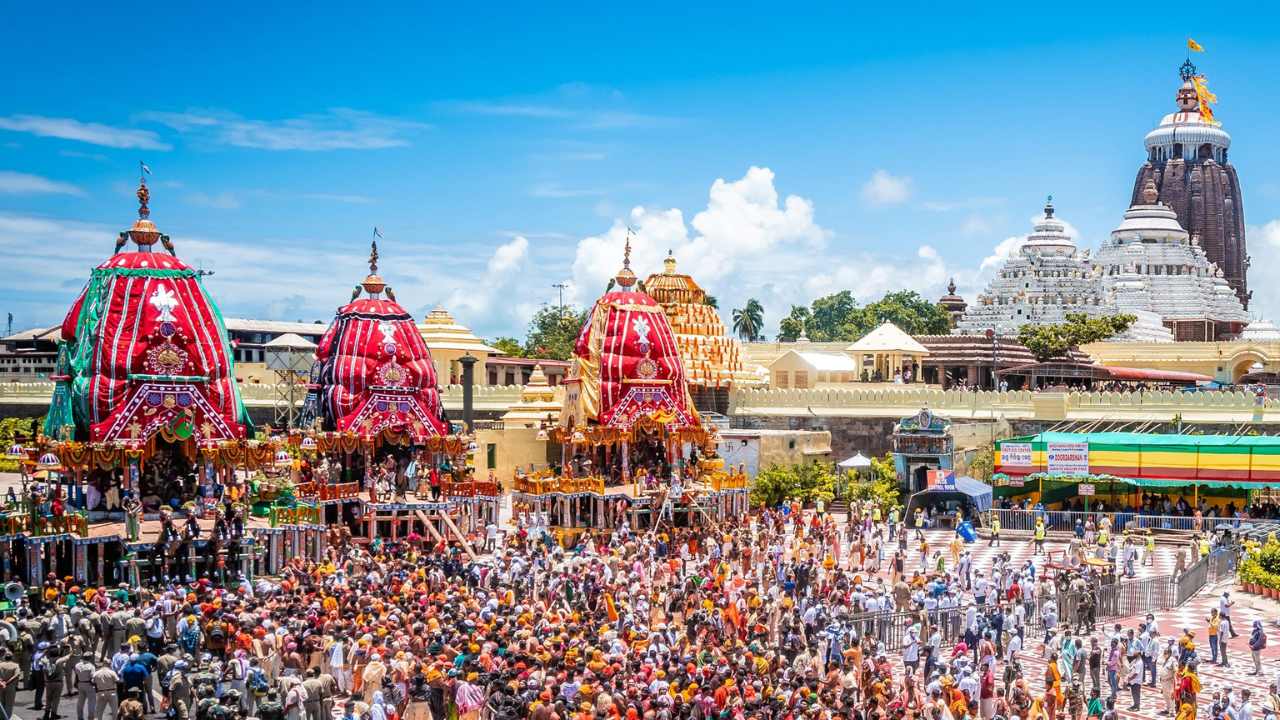
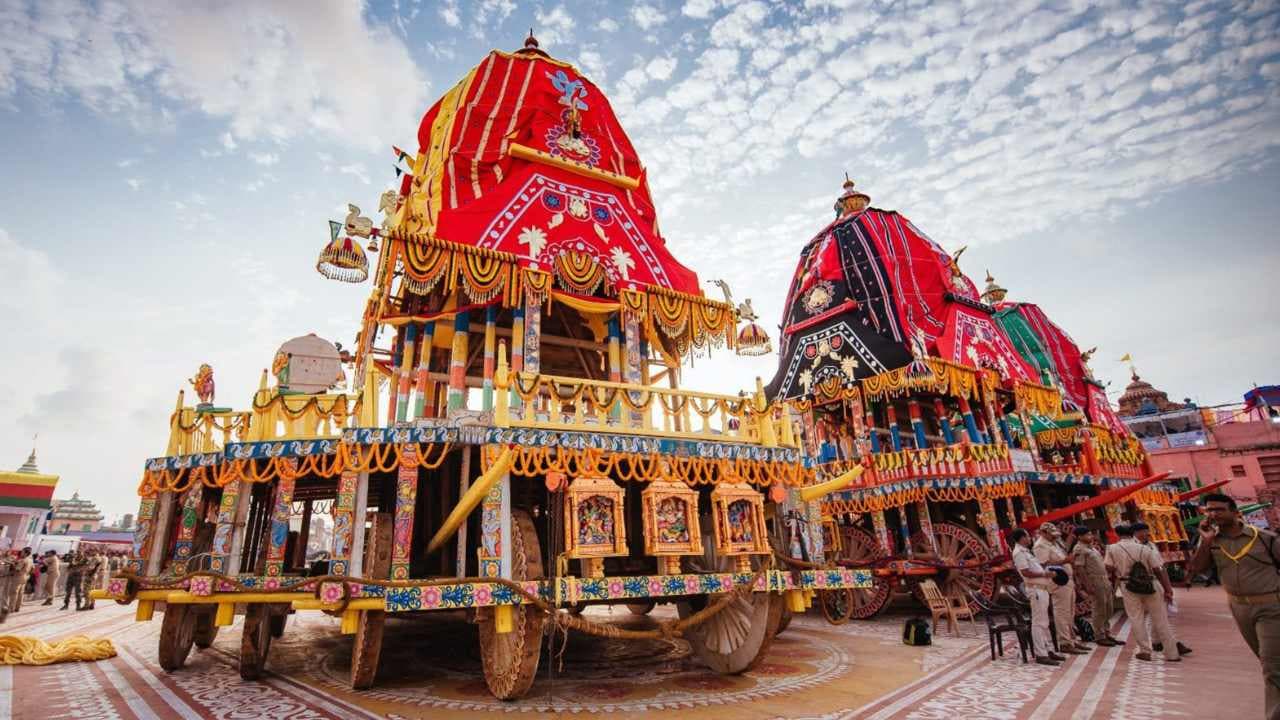
Three distinct chariots are taken out during the Rath Yatra.
1. Nandighosa
- Chariot of Lord Jagannath
- Height: Approximately 45 feet
- 16 wheels
- Decorated in yellow and red.
2. Taladhwaja
- Chariot of Lord Balabhadra
- 14 wheels
- Green and red chariot.
3. Darpadalan
- Chariot of Goddess Subhadra
- 12 wheels
- Decorated in black and red.
Every year, these three chariots are constructed using fresh, sacred Neem (Daru) wood. The most distinctive ritual of the Rath Yatra – Chhera Pahara. Before the Rath Yatra commences, the Gajapati Maharaja of Puri cleans the three chariots using a golden broom.This ritual is known as Chhera Pahara. The tradition conveys the message that, in the eyes of the Lord, the king and the common man are equal.
Interesting Facts About the Jagannath Temple
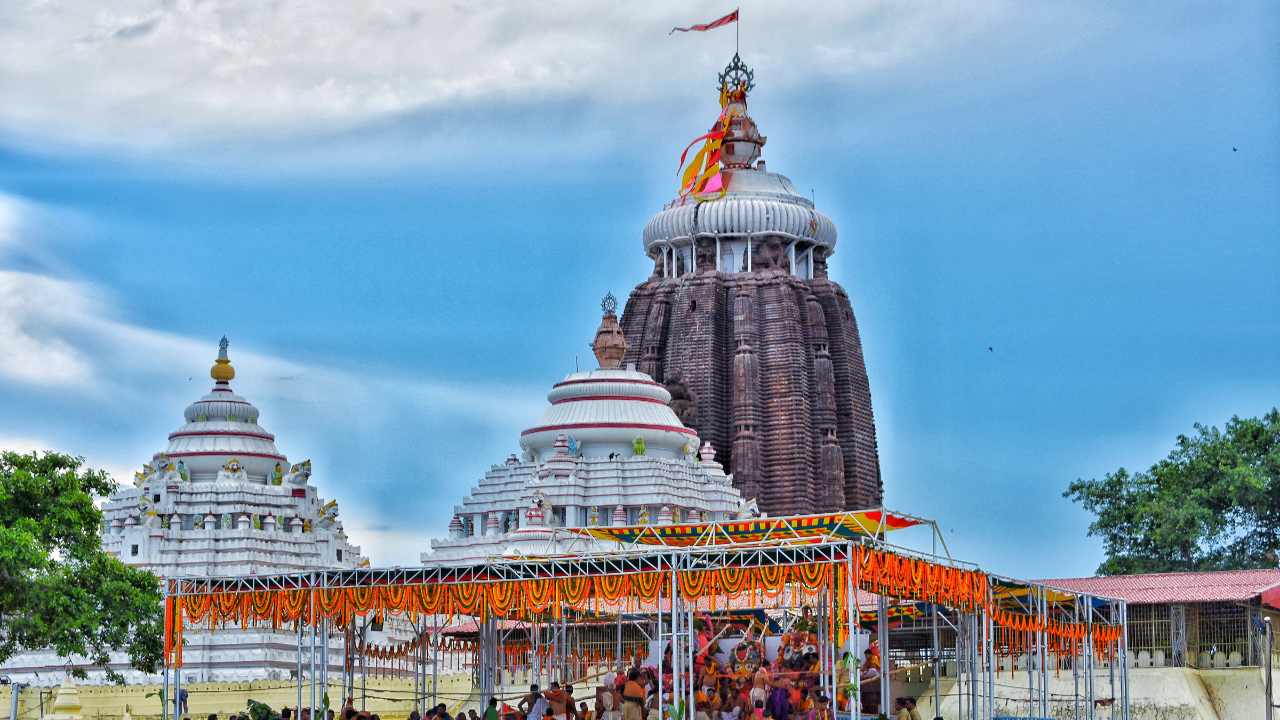
- This temple is approximately 800 years old.
- It is one of India's 'Char Dham' (four sacred pilgrimage sites).
- The temple's kitchen is considered the largest in the world.
- 'Mahaprasad' is prepared here daily for thousands of people.
- This offering is cooked over wood fires in earthen pots.
- The flag atop the temple spire is changed every day.
- The 'Sudarshan Chakra' atop the temple is visible from any corner of the city.
- Only Hindu devotees are permitted to enter the main temple complex.
Best Time to Visit Jagannath Puri
October to February
This is considered the best season.
- Temperature: 16°C to 28°C
- Convenient for sightseeing
- Enjoyment of the beach
June–July
Visit during this time if you wish to witness the Rath Yatra.
However, keep in mind—
- It gets extremely crowded.
- Booking a hotel in advance is essential.
- The weather is hot and humid.
How to Reach Puri
By Air
- Nearest Airport: Bhubaneswar Airport
- Distance: Approximately 60 kilometers
- Taxis and buses are easily available from the airport.
By Train
Puri Railway Station is well-connected to many major cities across the country.
- Delhi
- Mumbai
- Kolkata
- Chennai
- Hyderabad
By Road
Puri is well-connected by road. You can easily reach here from Bhubaneswar, Cuttack, and Konark via bus or taxi.
Complete 3-Day Itinerary
Day 1 – Seeking Blessings from Lord Jagannath
Morning
- Check into your hotel.
- Leave early to visit the temple.
Temple Visit
- Mobile phones and cameras are not allowed inside.
- Locker facilities are available outside.
Afternoon
- Enjoy the famous Mahaprasad at Anand Bazar.
- This Prasad is cooked in earthen pots and partaken by lakhs of devotees.
Evening
- Golden Beach
- Swargadwar Beach
The sunset view here is spectacular.
Day 2 – History and Culture
Morning
- Chandrabhaga Beach
- A wonderful spot to watch the sunrise.
Konark Sun Temple
- A UNESCO World Heritage Site located approximately 35 kilometers from Puri.
- The temple is built in the shape of a massive chariot.
- It is renowned for its exquisite stone carvings and a structure that functions as a sundial.
Raghurajpur Heritage Village
- This village is world-famous for Pattachitra paintings.
- Here, you can also watch local artisans at work.
Pipli Village
- If you love handicrafts, a visit here is a must.
- Here, you can see colorful appliqué artwork.
Day 3 – Nature and Shopping
 Morning
Chilika Lake
Morning
Chilika Lake
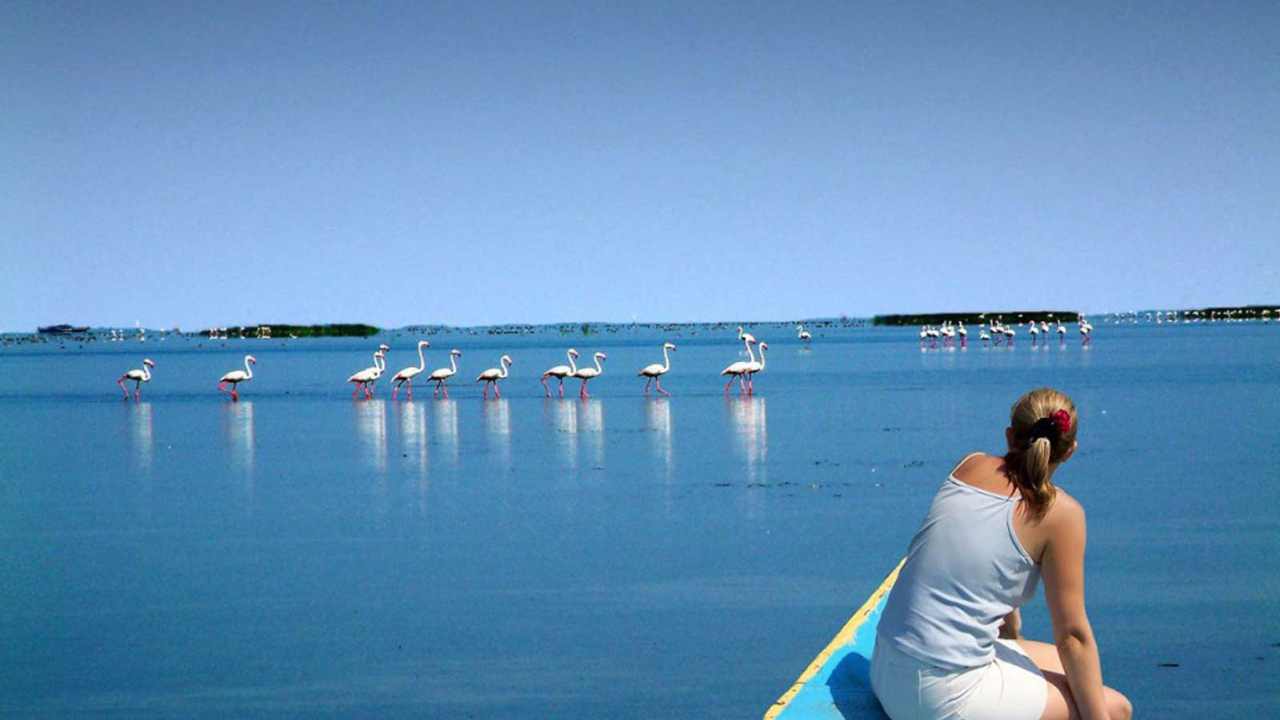
Asia's largest saltwater lake is located approximately 50 kilometers from Puri. Here, you can enjoy—
- Boating
- Irrawaddy dolphins
- Migratory birds
Afternoon
Shop at the local markets in Puri. Items to buy here include—
- Pattachitra paintings
- Khaja (a sweet)
- Seashells
- Handloom sarees
- Appliqué work
Must-try dishes in Puri
- Mahaprasad: The temple's most famous sacred offering.
- Dalma: A traditional Odia dish made with lentils and vegetables.
- Pakhala Bhat: A fermented rice dish enjoyed during summer.
- Chhena Poda: A famous sweet from Odisha.
- Seafood: Fresh fish and other seafood are easily available near the beach.
Things to keep in mind before visiting Jagannath Temple
- Only Hindus are permitted to enter the temple premises.
- Mobile phones and cameras are prohibited inside.
- Wear simple and modest clothing.
- Take special care of children and the elderly in crowded areas.
- Beware of touts and hire only authorized guides.
Estimated Trip Cost
Budget Trip
₹6,000–₹10,000 per person
Mid-range
₹12,000–₹18,000
Family Trip
₹20,000–₹35,000 (3 days)
Costs may vary depending on your choice of hotels, mode of travel, and dining preferences.
5 Great Places to Visit Near Jagannath Puri
If you are visiting Jagannath Puri, don't just return after seeing the temple. Several historical, religious, and natural sites around Puri will make your trip even more memorable. These include beaches, ancient temples, lakes, and artisan villages.
1. Konark Sun Temple
 Distance:
 Approximately 35–38 km
Time: 45 minutes to 1 hour
The
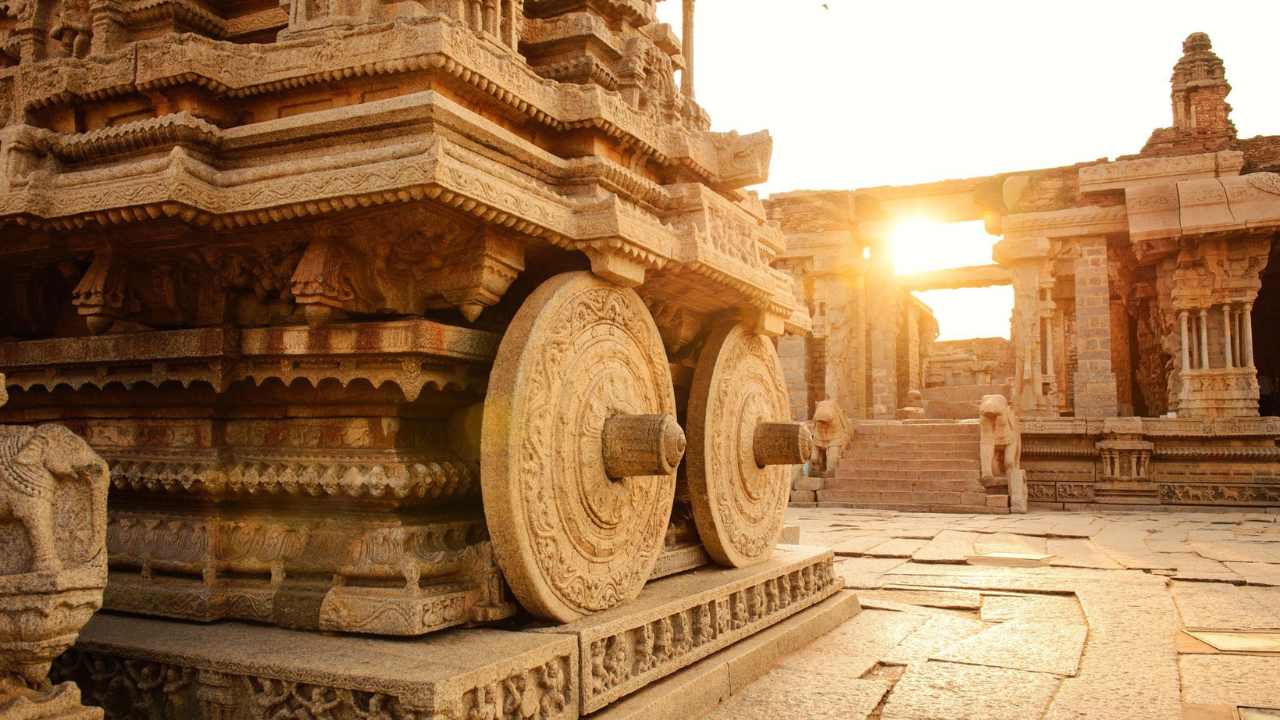
Konark Sun Temple is one of Odisha's most famous historical sites and holds the status of a UNESCO World Heritage Site. This temple was built in the 13th century by King Narasimhadeva I.
The most distinctive feature of this temple is its design, which resembles the colossal chariot of the Sun God. It features 24 large stone wheels and seven horses. In ancient times, these wheels also functioned as sundials.
What do people love about this place?
- Exquisite stone carvings
- UNESCO World Heritage Site status
- Beautiful sunrise and sunset views
- An excellent spot for photography
- A major attraction for history and architecture enthusiasts
If you appreciate history and art, a visit here is a must.
2. Chilika Lake (Satapada)
Distance: Approximately 45–50 km
Time: 1 to 1.5 hours
Chilika Lake is Asia's largest saltwater lake. It is a fantastic destination for both nature lovers and families. The lake is renowned for its Irrawaddy dolphins, which draw thousands of tourists every year. Boating on the lake is a wonderful experience. During winter, thousands of migratory birds from abroad can also be spotted here.
What do people love about this place?
- Thrill of dolphin watching
- Boat ride
- Natural beauty
- Bird watching
- Serene atmosphere
If you wish to spend some time amidst nature, away from the crowds, Chilika Lake is an excellent destination.
3. Raghurajpur Heritage Crafts Village
 Distance:
 Approximately 14 kilometers
Time: 25–30 minutes
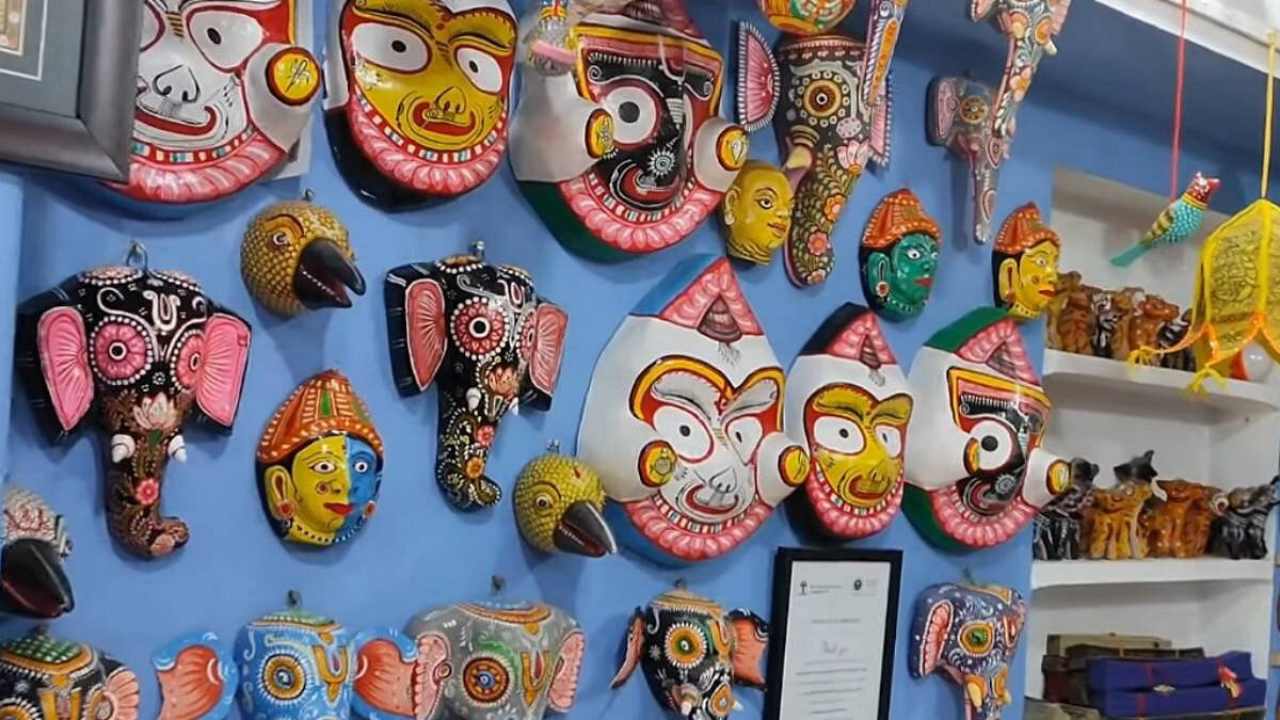
Raghurajpur is a small yet renowned village of artisans; almost every household here is home to an artist. The village is famous worldwide, particularly for Pattachitra (traditional scroll painting). Pattachitra is a traditional art form of Odisha that depicts religious themes—such as Lord Jagannath, Krishna Leela, and the Ramayana—through hand-painted illustrations.
What do visitors enjoy here?
- Watching live painting demonstrations
- Interacting with local artists
- Buying handmade paintings
- Palm leaf art
- Papier-mâché and wooden artifacts
If you appreciate Indian art and handicrafts, a visit here is a must.
4. Pipili Village (Pipili Appliqué Village)
Distance: Approximately 36 kilometers
Time: 45 minutes
Pipili is famous for its magnificent appliqué work (a technique of stitching fabric pieces onto a base fabric for decoration). Here, you can find handmade fabric items, lamps, umbrellas, wall decor, bags, and a variety of other decorative objects.
Pipili’s appliqué art is also used to decorate the chariots of Lord Jagannath during the Rath Yatra festival.
What do visitors enjoy here?
- Colorful handicrafts
- Traditional Odia art
- Home decor items
- Local markets
- Souvenirs
If you enjoy shopping, a visit to Pipili is highly recommended.
5. Bhubaneswar (The Temple City of India)
 Distance:
 Approximately 60 kilometers
Time: 1.5 hours
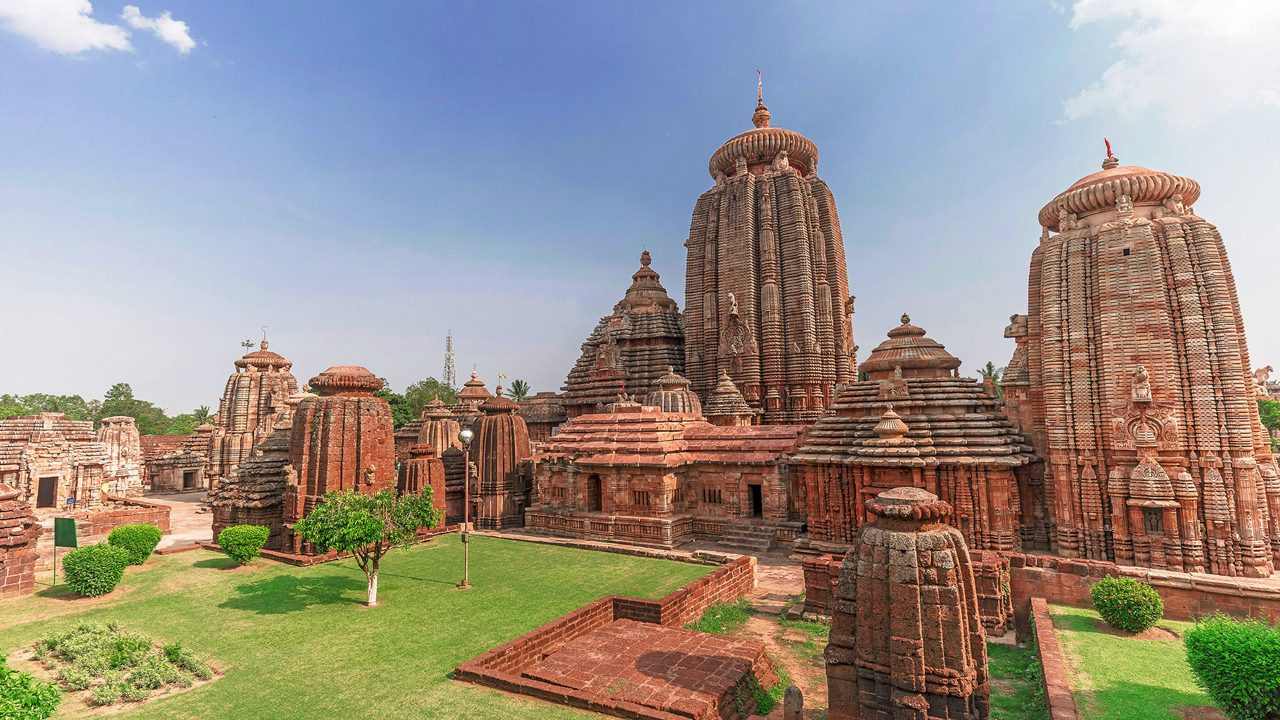
Bhubaneswar, the capital of Odisha, is known as the "Temple City of India." It is home to over 700 ancient temples and serves as a major hub for religious and historical tourism.
If you have an extra day, a visit to Bhubaneswar is highly recommended.
Lingaraj Temple
Dedicated to Lord Shiva, this temple is nearly 1,000 years old and is considered a magnificent example of Kalinga-style architecture.
Why do people visit?
Ancient temple
Religious significance
Beautiful architecture
A major pilgrimage site for devotees of Lord Shiva
Udayagiri and Khandagiri Caves
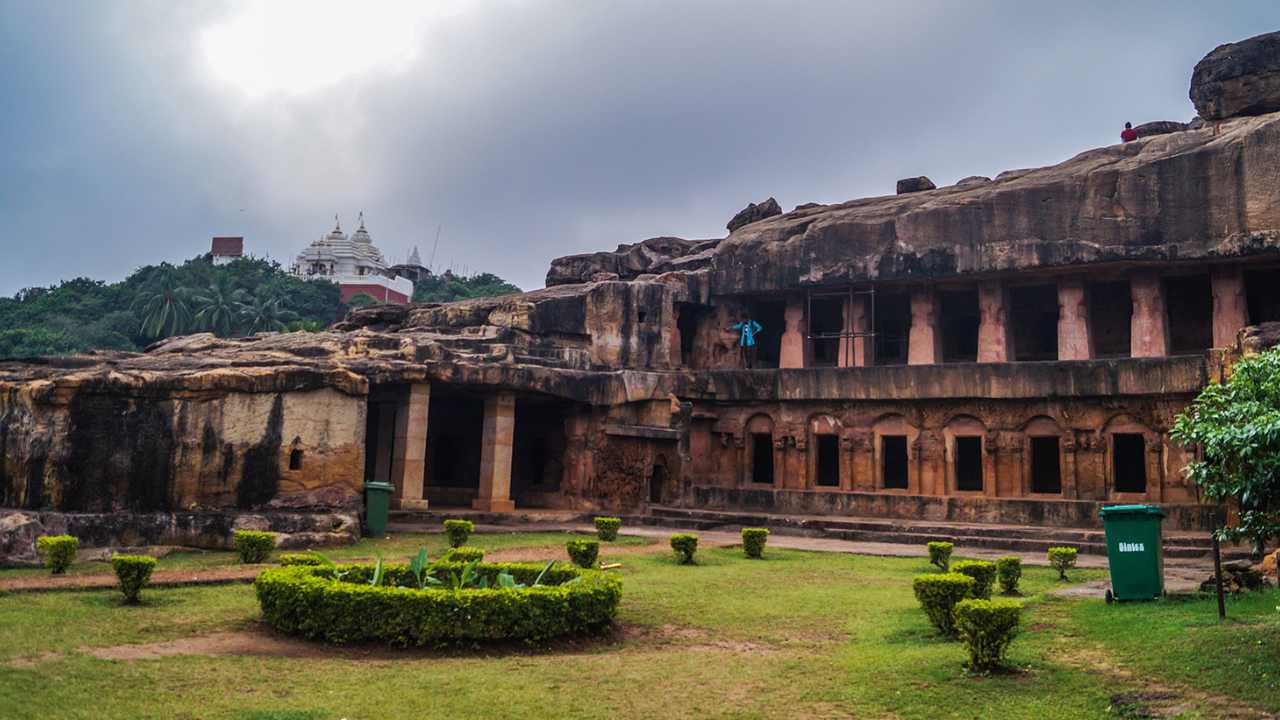
These caves date back approximately 2,200 years and were constructed as dwellings and meditation sites for Jain monks.
What makes them special?
- Ancient rock carvings
- Historical significance
- Unique cave structures
- Beautiful views of the city from the top
It is a fantastic place for those interested in history and archaeology.
Dhauli Shanti Stupa
Dhauli is believed to be the site of the Kalinga War. Following this war, Emperor Ashoka renounced violence and embraced Buddhism. Today, the white Shanti Stupa (Peace Pagoda) located here attracts tourists from across the globe.
What do people enjoy here?
- Historical significance
- Serene atmosphere
- Buddhist culture
- Beautiful views from the hilltop
- Meditation and photography
Is this trip suitable for children and the elderly?
Yes. The weather is pleasant if you visit between October and February. Autos, e-rickshaws, and taxis are easily available to reach the temples and major tourist attractions. However, the area becomes extremely crowded during the Rath Yatra; therefore, extra caution is advised when traveling with small children or the elderly.
Things to keep in mind
- Book your hotel in advance.
- Visit the temple early in the morning for Darshan.
- Don't forget to taste the Mahaprasad.
- Exercise caution while entering the sea.
- Keep options for both cash and online payments handy.
- Respect local culture and religious customs.
Jagannath Puri is not merely a religious destination; it is a wonderful blend of spiritual experience, history, culture, and natural beauty. Along with seeking the blessings of Lord Jagannath, you can enjoy the serenity of the beaches, the historical heritage of Konark, the natural beauty of Chilika Lake, and the rich culture of Odisha.
With a well-planned 3-day itinerary, you can comfortably explore almost all the major attractions in and around Puri within a short span of time. Therefore, if you are planning a religious and memorable trip, Jagannath Puri is an excellent choice.