
/
/
Moldova doesn’t. Tucked between Romania and Ukraine in Eastern Europe , Moldova does not reveal itself with spectacle. When you land in Chișinău , the capital,

 Wine in Moldova is not a luxury—it’s a lifestyle.
Here are some important facts:
Wine in Moldova is not a luxury—it’s a lifestyle.
Here are some important facts:
 Choosing the right time to visit Moldova can significantly improve your experience—especially because much of the country revolves around seasons, agriculture, and wine.
| Season | Best For | Need-to-Know |
| Autumn (Sep–Oct) | Best overall time to visit | Wine harvest season, mild weather (15–25°C), vineyards are beautiful, National Wine Day happens in early October, book stays and winery tours early |
| Spring (Apr–Jun) | Nature and countryside | Fresh green landscapes, comfortable weather (15–25°C), great for Orheiul Vechi and village visits, carry a light jacket |
| Summer (Jul–Aug) | Longer days and city exploring | Hot weather (30°C+), best to explore in the morning or evening, stay hydrated, use afternoons for indoor places |
| Winter (Nov–Mar) | Quiet trips and lower prices | Cold weather (0–5°C), fewer tourists, less happening in rural areas, better for cities and indoor activities |
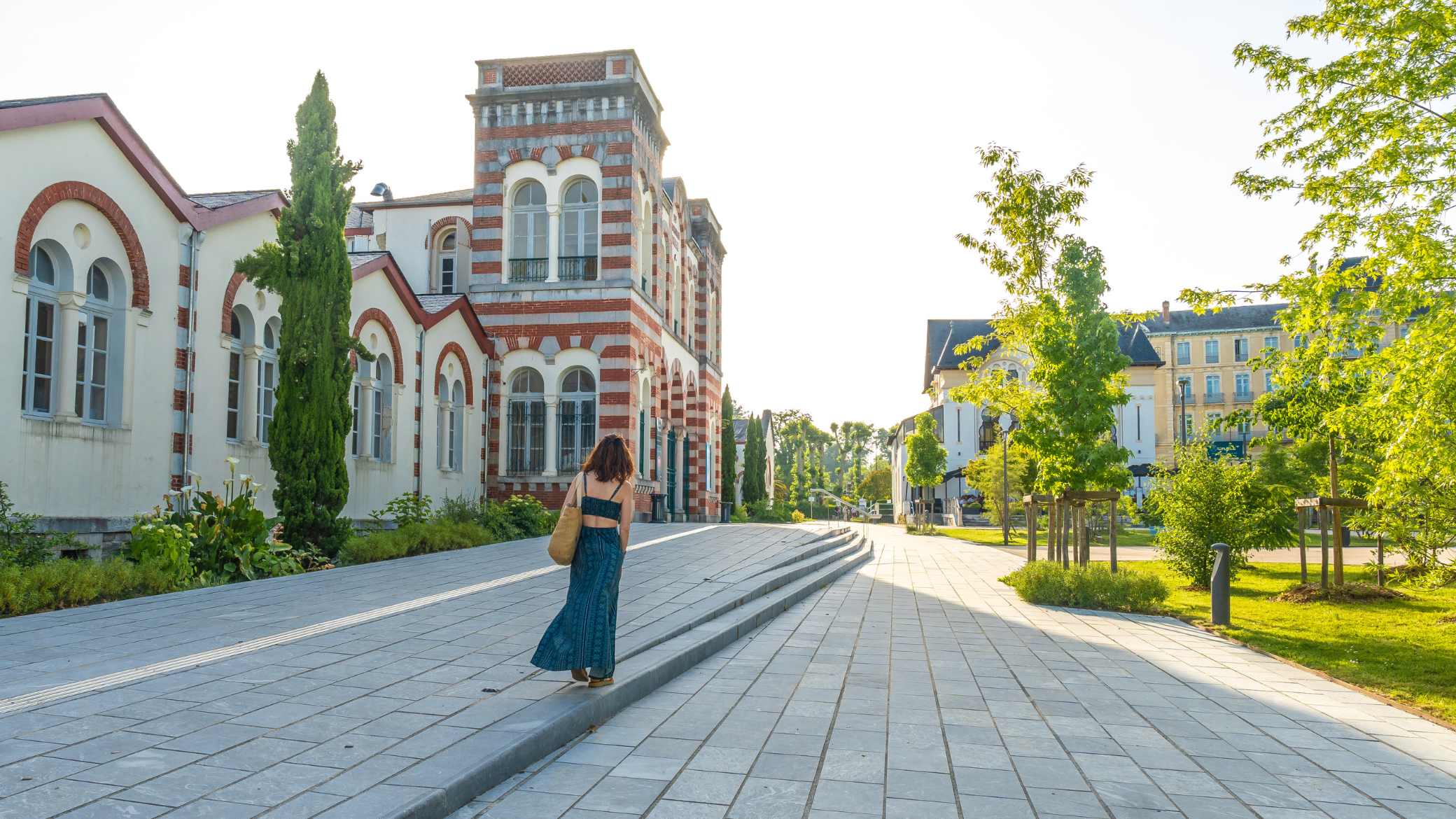 Your trip to Moldova will likely begin in Chișinău. It may not feel like a typical capital city—there’s no grand historic center or major tourist rush. Instead, you’ll find wide boulevards, Soviet-era buildings, quiet neighborhoods, and large green spaces.
What stands out most is the city’s slow, calm pace. Parks are full of locals, cafes feel unhurried, and the mix of old and new gives the city a grounded, everyday charm.
Your trip to Moldova will likely begin in Chișinău. It may not feel like a typical capital city—there’s no grand historic center or major tourist rush. Instead, you’ll find wide boulevards, Soviet-era buildings, quiet neighborhoods, and large green spaces.
What stands out most is the city’s slow, calm pace. Parks are full of locals, cafes feel unhurried, and the mix of old and new gives the city a grounded, everyday charm.
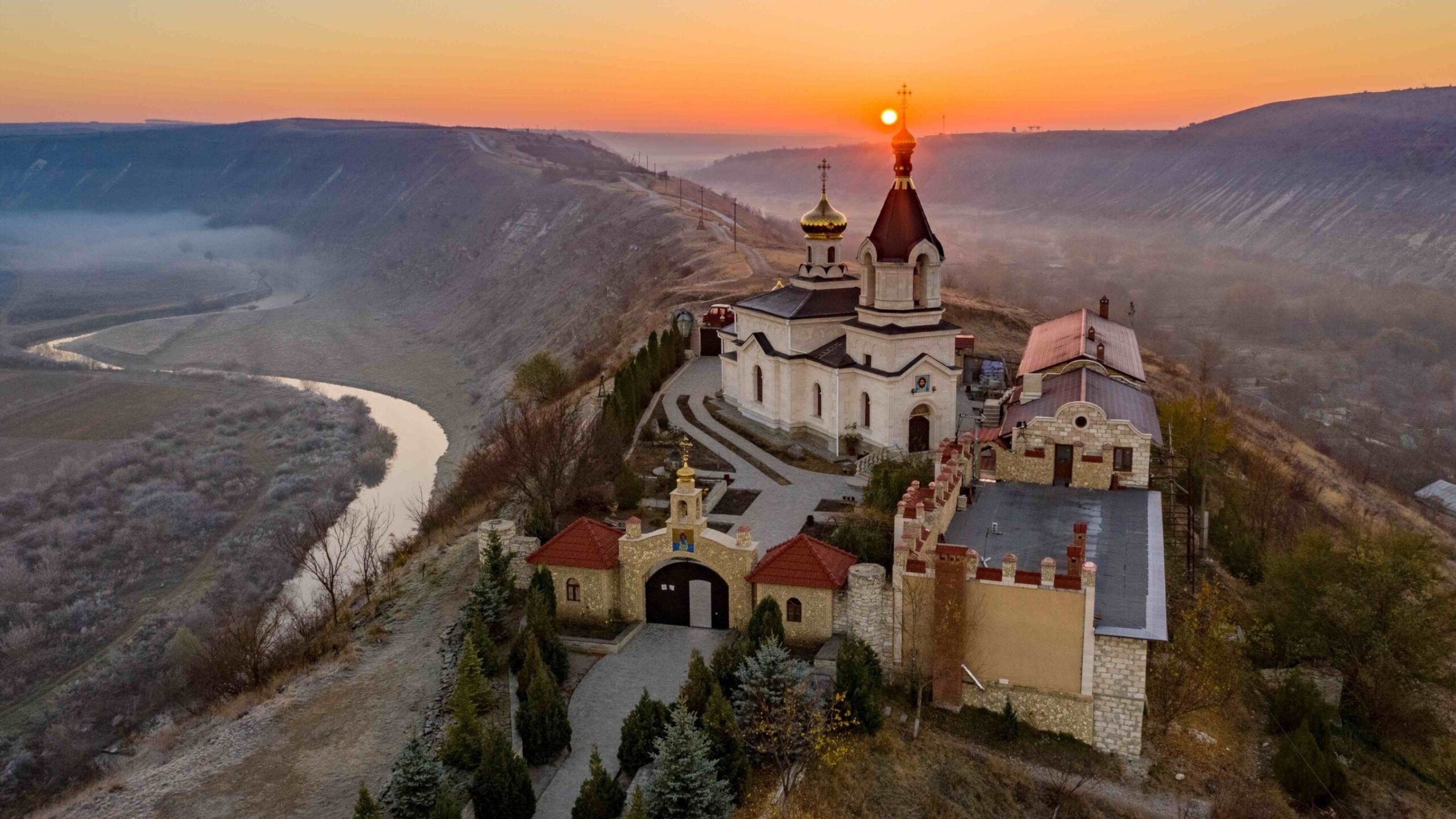
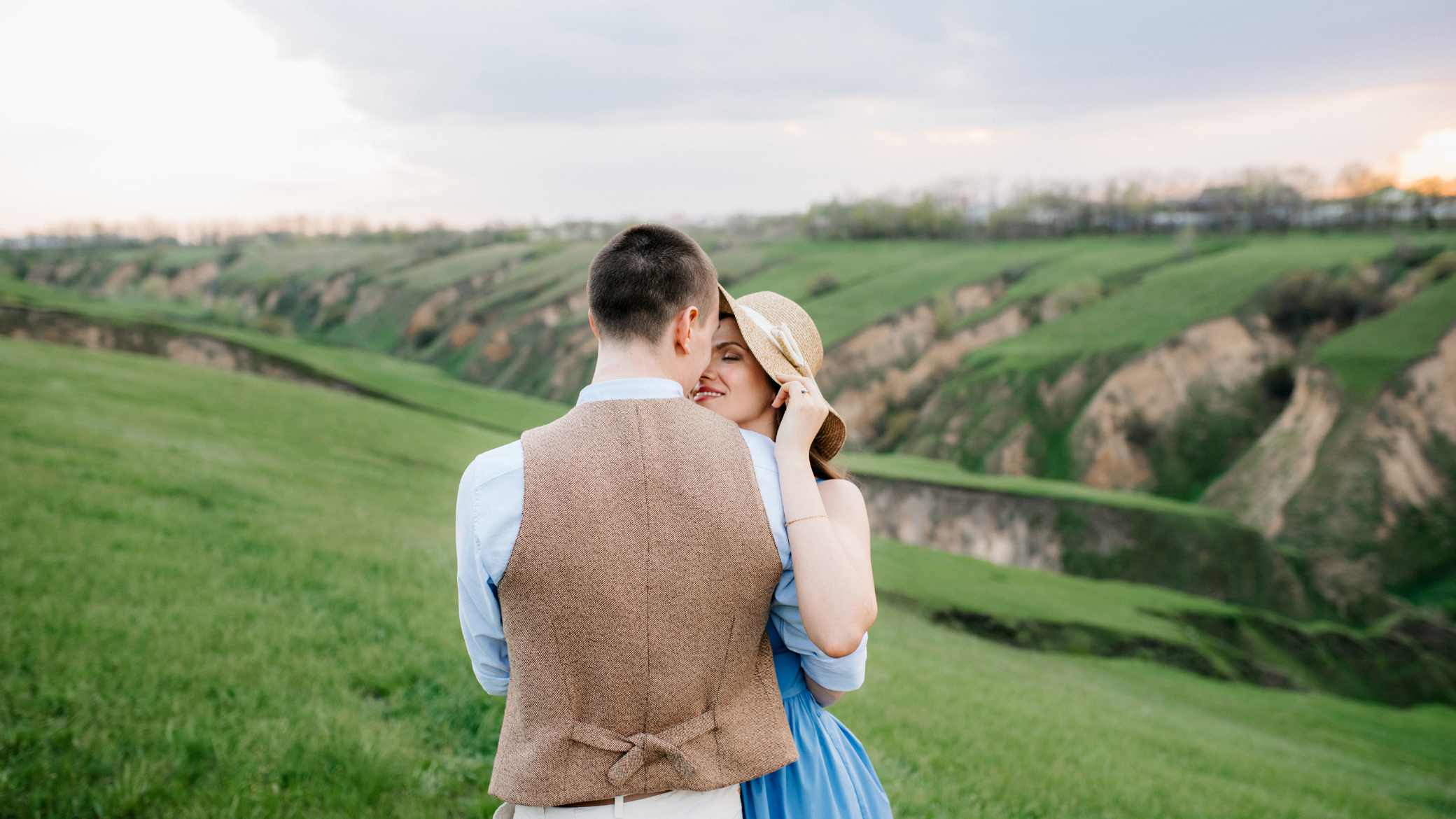 Located about 55–60 km from Chișinău (around 1 hour by car), Orheiul Vechi is one of Moldova’s most impressive places to visit. It stands out for its open landscapes, river valley views, and peaceful atmosphere.
Why It Stands Out
When you arrive, the city disappears and the scenery opens up into:
Located about 55–60 km from Chișinău (around 1 hour by car), Orheiul Vechi is one of Moldova’s most impressive places to visit. It stands out for its open landscapes, river valley views, and peaceful atmosphere.
Why It Stands Out
When you arrive, the city disappears and the scenery opens up into:
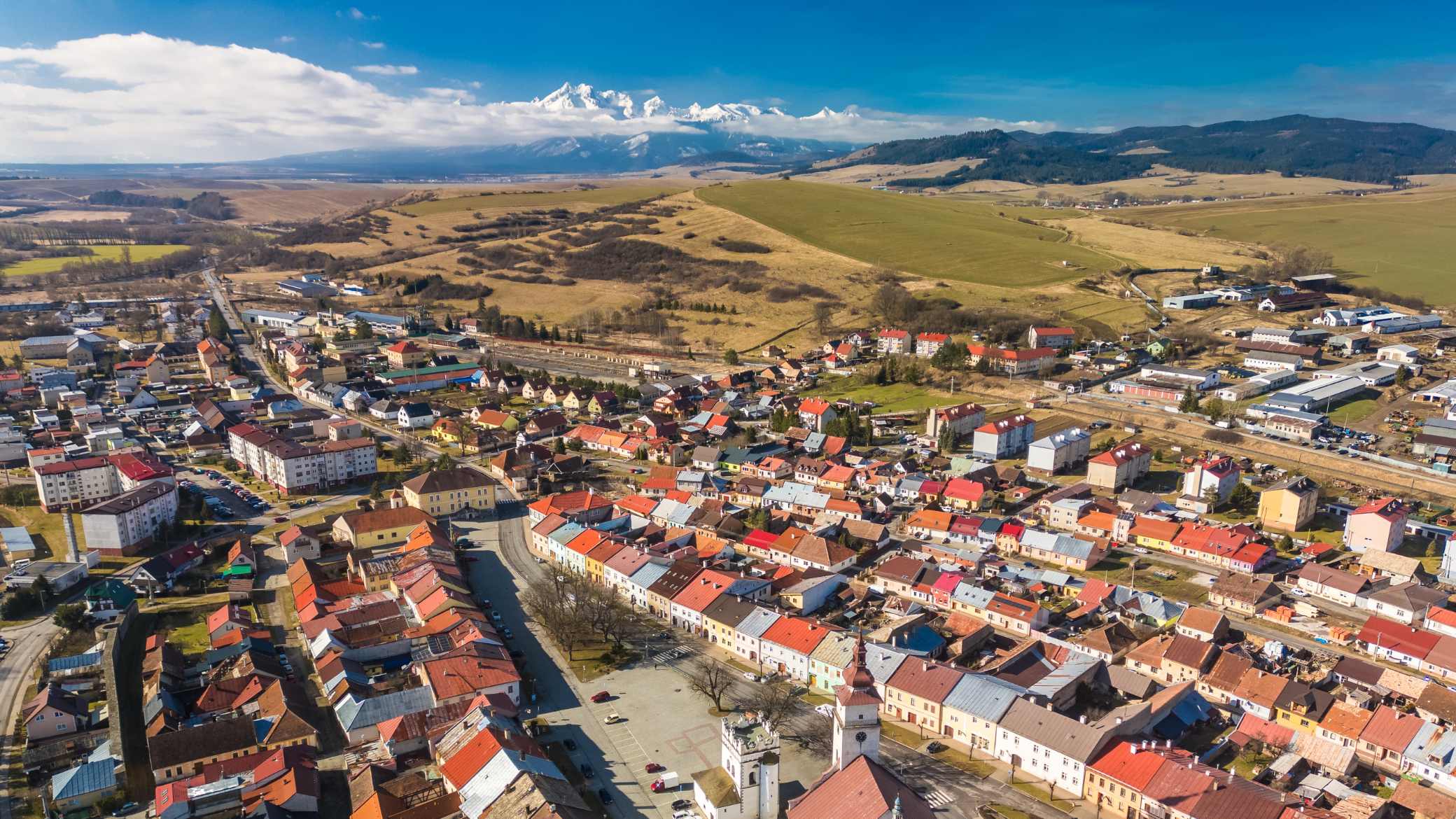 Next to Orheiul Vechi, Butuceni is a traditional village that gives you a more personal feel for rural Moldova.
What You’ll Notice
Next to Orheiul Vechi, Butuceni is a traditional village that gives you a more personal feel for rural Moldova.
What You’ll Notice
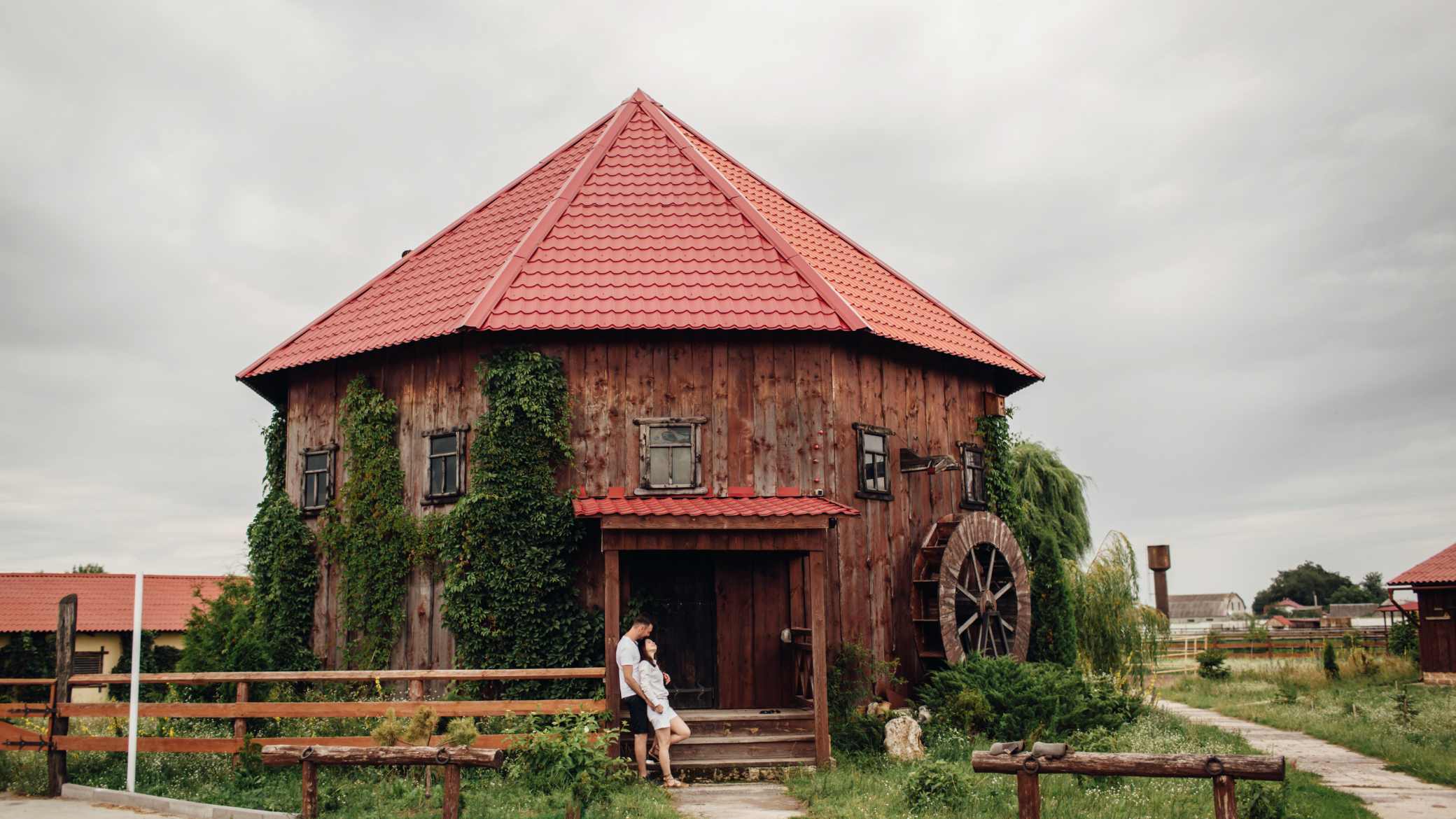 Located about 15 km from Chișinău, Cricova Winery is one of Moldova’s most unique experiences. The winery is built underground, with long tunnel networks that feel more like a small city than a cellar.
What Makes It Special
Located about 15 km from Chișinău, Cricova Winery is one of Moldova’s most unique experiences. The winery is built underground, with long tunnel networks that feel more like a small city than a cellar.
What Makes It Special
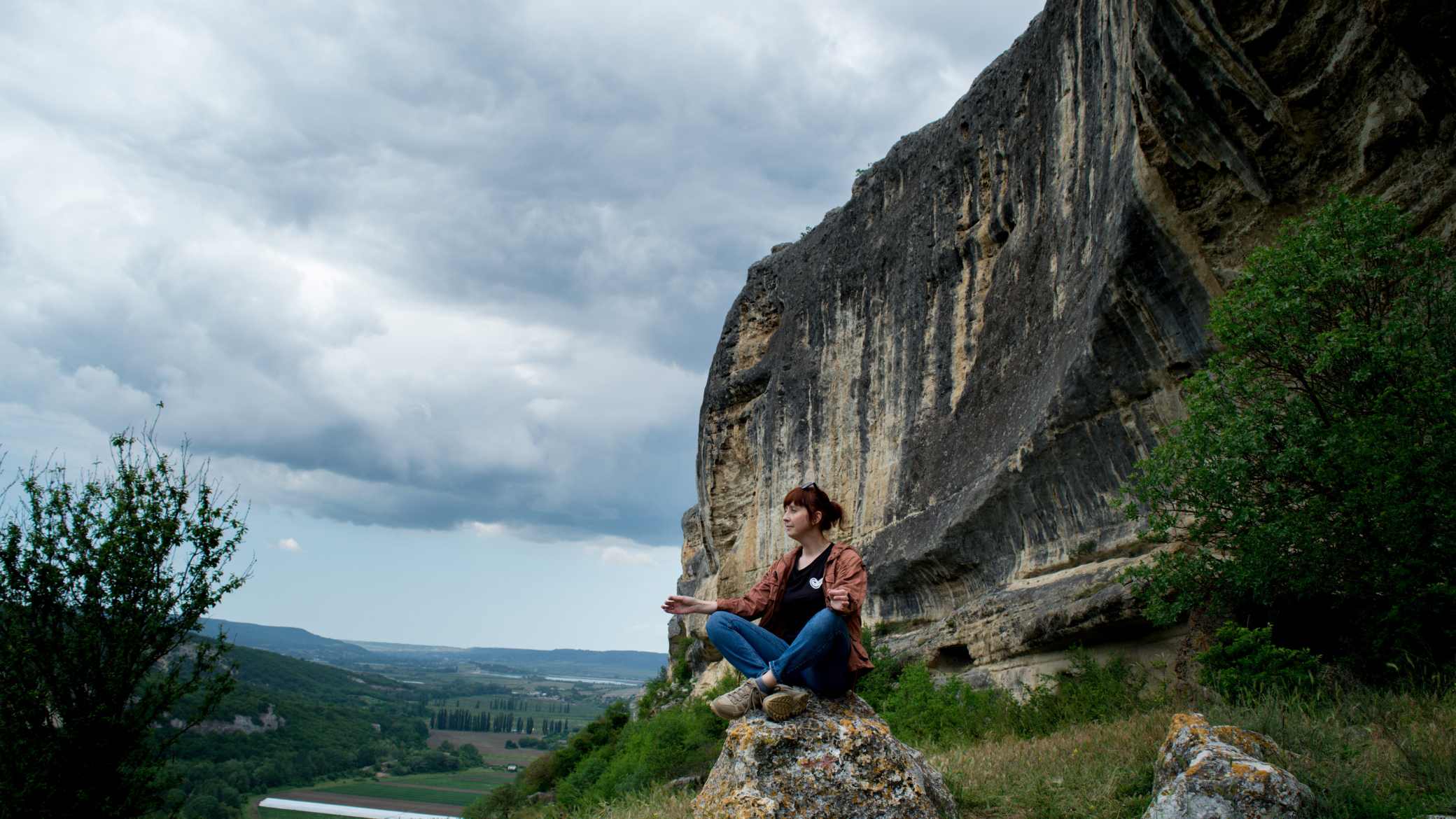 Located 20 km from Chișinău, this is where scale becomes overwhelming.
Why It’s Special
Located 20 km from Chișinău, this is where scale becomes overwhelming.
Why It’s Special
| Cricova | Mileștii Mici |
| More structured | More raw |
| Popular | Less crowded |
| Polished tours | Larger scale |
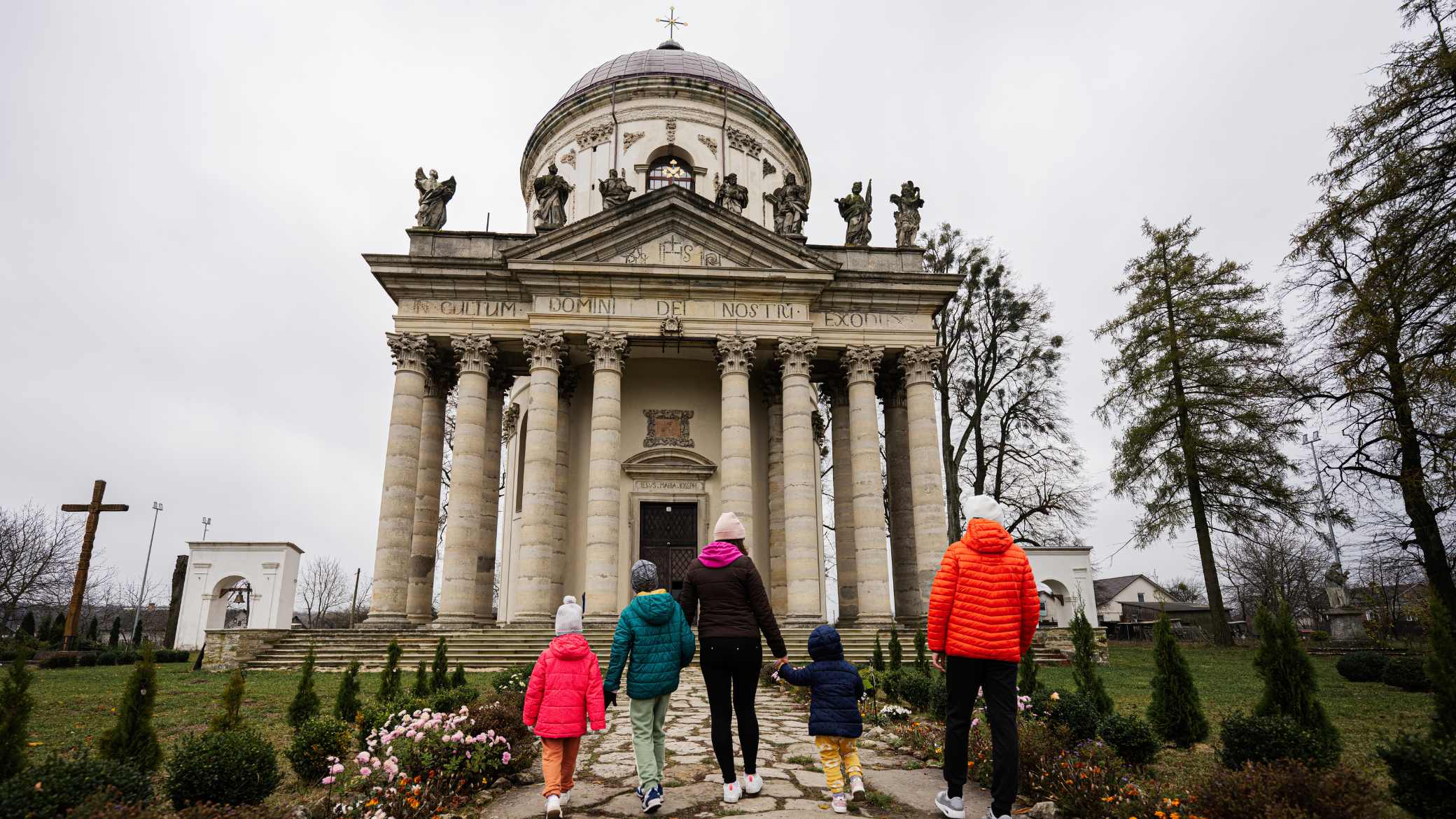 This is not a typical destination, and that’s exactly why many people choose to visit. More than a sightseeing stop, it’s a place people go to experience a very different atmosphere.
What It Is
Transnistria is a self-declared region that operates separately in many ways from the rest of Moldova.
Visiting Tiraspol
The main place most visitors go is Tiraspol.
This is not a typical destination, and that’s exactly why many people choose to visit. More than a sightseeing stop, it’s a place people go to experience a very different atmosphere.
What It Is
Transnistria is a self-declared region that operates separately in many ways from the rest of Moldova.
Visiting Tiraspol
The main place most visitors go is Tiraspol.
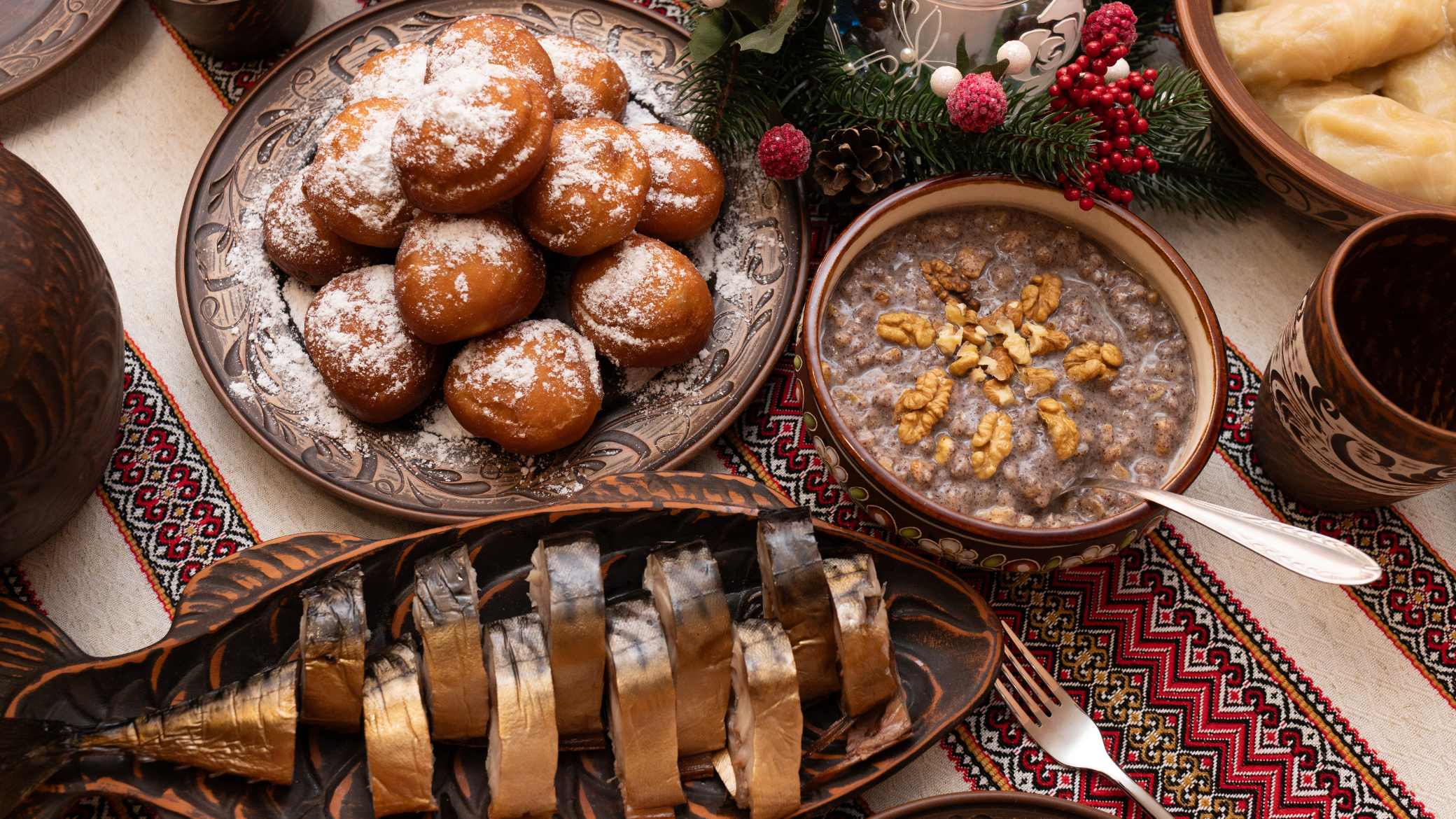 Food is one of the easiest ways to understand Moldova. For most visitors, the cuisine is built around hearty traditional dishes, fresh produce, baked pastries, and local wine. It is generally simple, filling, and affordable rather than highly polished or presentation-focused.
| Restaurant / Cafe | Best For | Notes |
| La Taifas | Traditional Moldovan food | Good first choice for classic local dishes |
| La Plăcinte | Easy local meals | Popular for plăcinte, soups, and simple Moldovan food |
| Bordeiaș | Traditional atmosphere | Good for a more local-style dining setting |
| BIOrganic Raw Café | Vegan food | Best dedicated vegan-friendly option |
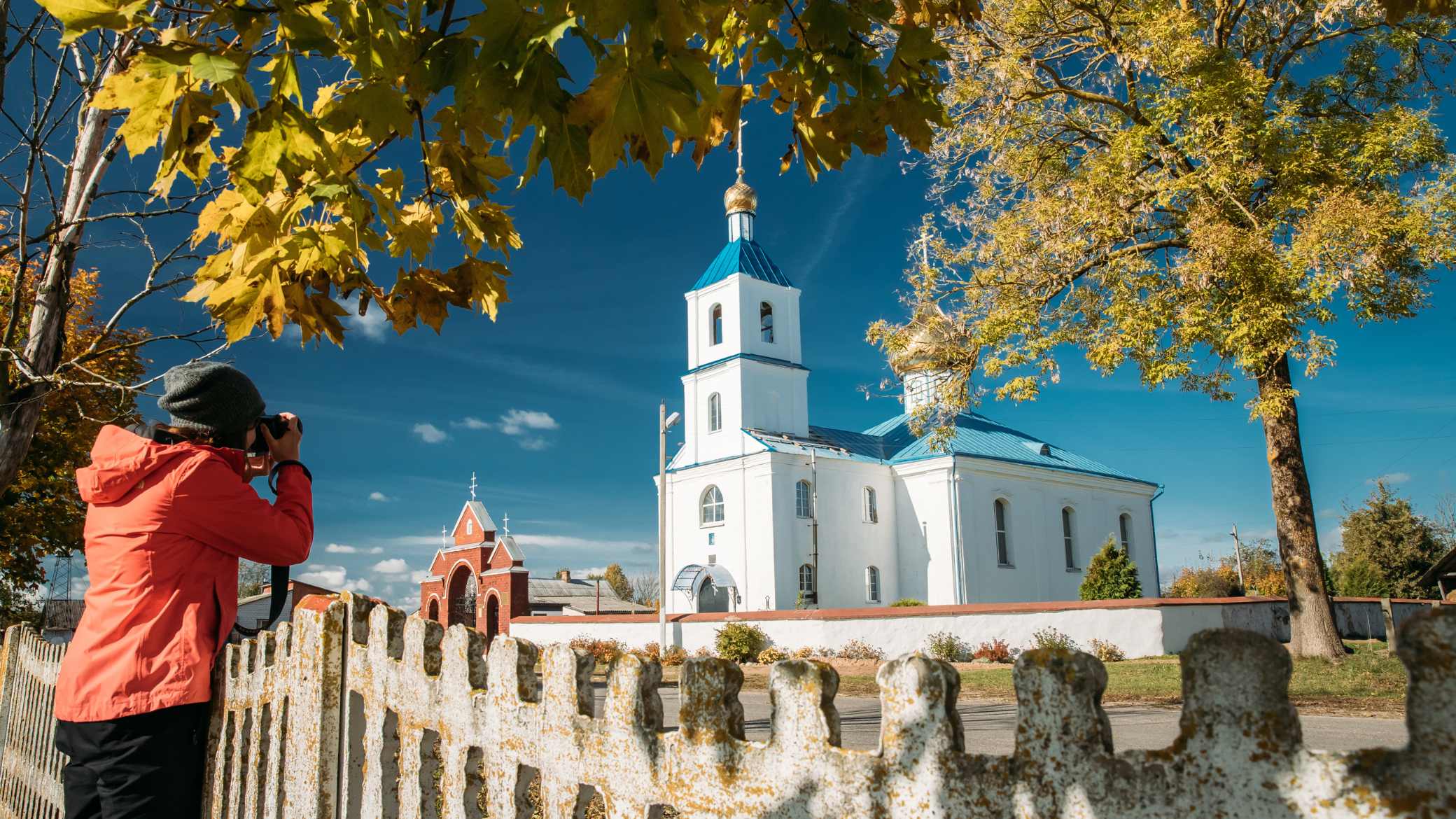 Travel in Moldova is simple, but less structured than in many countries. Outside major areas, schedules, signage, and English information can be limited. Flexibility helps.
| Feature | Reality |
| Schedule | Flexible rather than fixed |
| Departure | Usually when seats are filled |
| Payment | Cash, given directly to driver |
| Language | Mostly Romanian or Russian |
| Comfort | Basic but acceptable |
| Route | Cost |
| Within city | 5–10 MDL |
| Chișinău → Orhei | 30–50 MDL |
| Chișinău → Tiraspol | 40–80 MDL |
| Option | Cost | Comfort | Flexibility | Best For |
| Marshrutka | Low | Medium | Low | Budget travel |
| Taxi | Medium | High | Medium | Convenience |
| Car rental | High | High | High | Independent exploration |
| Category | Typical Cost |
| Backpacker budget | 430–780 MDL/day |
| Mid-range budget | 950–1,650 MDL/day |
| Comfort budget | 1,730–2,770 MDL/day |
| Local meal | 70–120 MDL |
| Mid-range restaurant meal | 150–300 MDL |
| Street food (plăcintă) | 10–25 MDL |
| Coffee | 25–45 MDL |
| Glass of local wine | 25–60 MDL |
| Budget hostel | 170–310 MDL/night |
| Central apartment | 430–870 MDL/night |
| Mid-range hotel | 780–1,470 MDL/night |
| Premium hotel | 1,560–2,600+ MDL/night |
| Marshrutka (city) | 5–10 MDL |
| Intercity ride (Chișinău → Orhei) | 30–50 MDL |
| Taxi (city ride) | 30–80 MDL |
| Airport to city center taxi | 80–150 MDL |
| Car rental | 500–1,010 MDL/day |
| Cricova winery tour | 300–800 MDL |
| Mileștii Mici tour | 300–800 MDL |
| Orheiul Vechi | Free |
| Day | Plan | Major Activities | Time Needed | Notes |
| Day 1 | Chișinău | Park, Cathedral, Market, city walk | Full day | Keep it slow |
| Day 2 | Winery Day | Cricova or Mileștii Mici with tasting | Half day | Afternoon works well |
| Day 3 | Orheiul Vechi | Monastery, hiking, village exploration | Full day | Overnight stay recommended |
| Day 4 | Orhei → Return | Morning in the village, then return to Chișinău | Half day | Flexible pace |
| Day 5 (Optional) | Transnistria | Visit Tiraspol, walk around, observe the atmosphere | Full day | Optional |