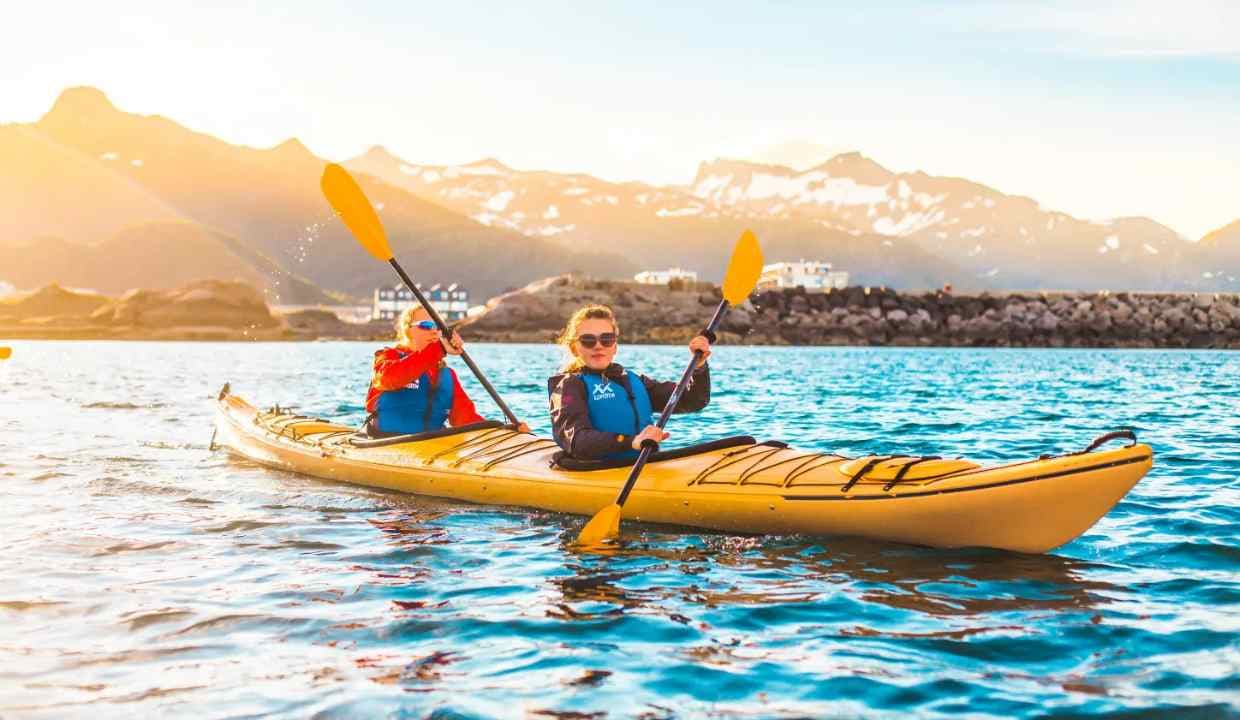
wildlife Adventure: Okay, you have explored mountains, waterfalls, temples, etc. Have you ever explored the world’s thrilling national reserves? Have you ever b
wildlife Adventure: Okay, you have explored mountains, waterfalls, temples, etc. Have you ever explored the world’s thrilling national reserves? Have you ever been on an international wildlife trip?
If not, then why don't you give it a chance?
Wildlife lovers, now you have a golden opportunity to capture some unforgettable moments. You will have a lot of animals clicking their pictures from a 360-degree angle. Isn't it great? Read this comprehensive guide for ‘International Trips for Wildlife Lovers."
Here, we have discussed all of the popular wildlife sanctuaries that nature buffs can visit. We have also mentioned what you might see, the best time to visit, accommodation, and more.
So, let’s start!
Maasai Mara National Reserve
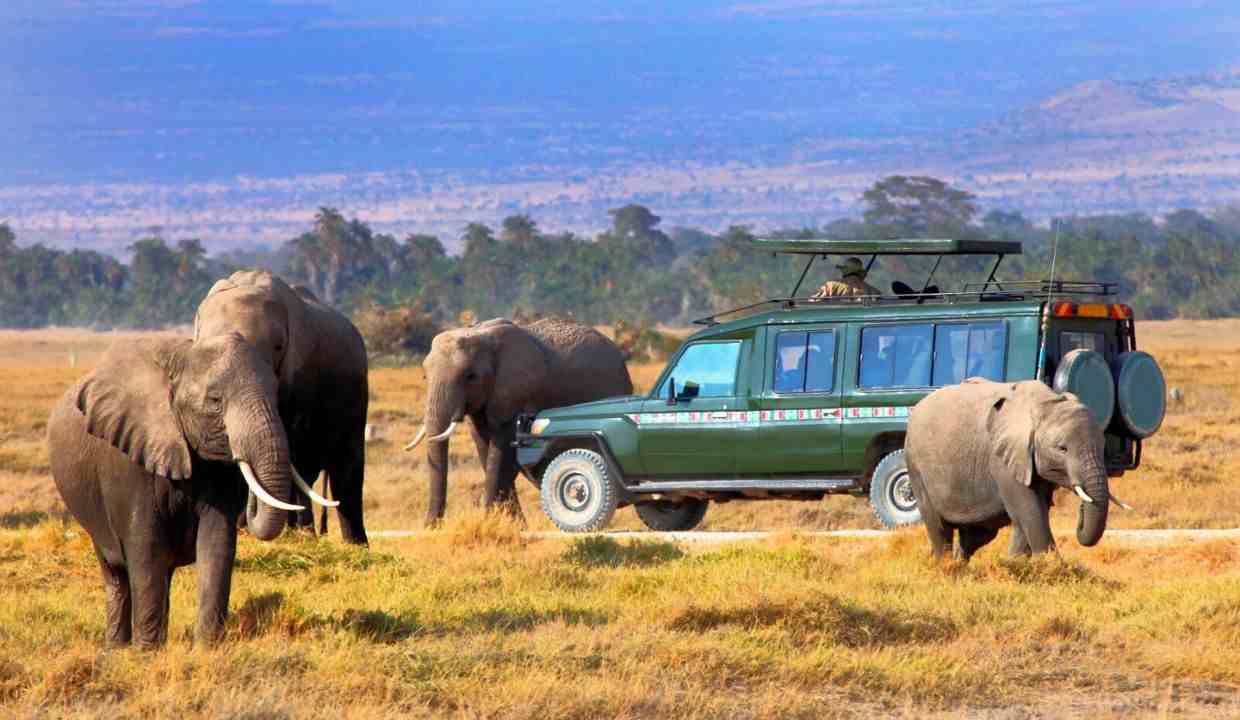 Maasai Mara National Reserve is located in Kenya. It spreads over 2,500 square kilometers. This reserve is a haven for wildlife enthusiasts. It offers a glimpse into the untamed beauty of Africa.
It comprises two national parks, the Ngorongoro Conservation Area and the National Serengeti Park, in addition to Masai Mara in Kenya.
What you might see:
The reserve is also a birdwatcher's paradise, covering over 450 species of birds, including colorful kingfishers, elegant ostriches, and iconic vultures circling above.
You get to see majestic lions prowling the savannah and giraffes stretching for the treetops. There are also elephants, cheetahs, and wildebeests starting their annual migration.
When to visit:
Places to stay:
Some popular choices include Mara Serena Safari Lodge, Governor's Camp, and Sarova Mara Game Camp, each offering comfortable amenities and immersive safari experiences.
Maasai Mara National Reserve is located in Kenya. It spreads over 2,500 square kilometers. This reserve is a haven for wildlife enthusiasts. It offers a glimpse into the untamed beauty of Africa.
It comprises two national parks, the Ngorongoro Conservation Area and the National Serengeti Park, in addition to Masai Mara in Kenya.
What you might see:
The reserve is also a birdwatcher's paradise, covering over 450 species of birds, including colorful kingfishers, elegant ostriches, and iconic vultures circling above.
You get to see majestic lions prowling the savannah and giraffes stretching for the treetops. There are also elephants, cheetahs, and wildebeests starting their annual migration.
When to visit:
Places to stay:
Some popular choices include Mara Serena Safari Lodge, Governor's Camp, and Sarova Mara Game Camp, each offering comfortable amenities and immersive safari experiences.
Serengeti National Park, Tanzania
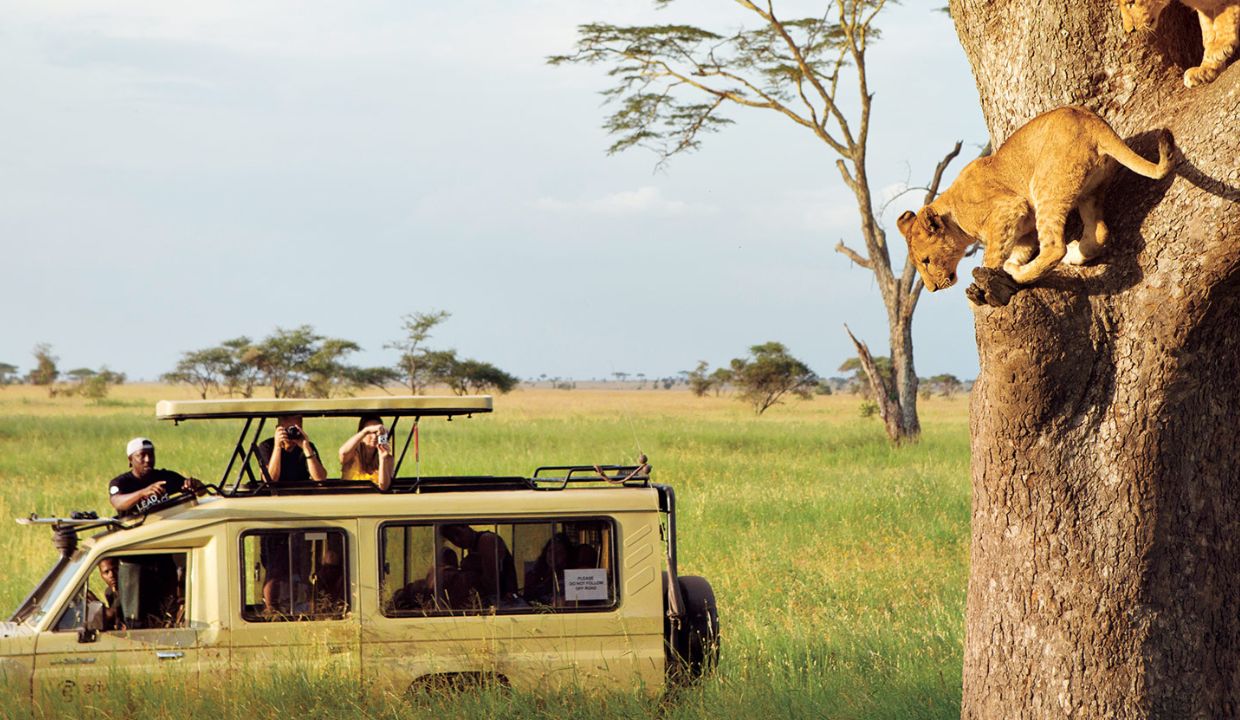 Situated in the center of Tanzania, the Serengeti National Park is a haven for diverse wildlife and a witness to natural beauty. It spans over 14,750 square kilometers. The Serengeti is a UNESCO World Heritage Site and one of the most celebrated conservation areas on the continent.
What you might see:
There are many other interesting animals in the park, such as giraffes, zebras, cheetahs, hyenas, and an amazing number of bird species. The Great Migration mesmerizes everyone each year as millions of wildebeest, zebras, and gazelles cross the fields in search of new grazing land.
When to visit
Situated in the center of Tanzania, the Serengeti National Park is a haven for diverse wildlife and a witness to natural beauty. It spans over 14,750 square kilometers. The Serengeti is a UNESCO World Heritage Site and one of the most celebrated conservation areas on the continent.
What you might see:
There are many other interesting animals in the park, such as giraffes, zebras, cheetahs, hyenas, and an amazing number of bird species. The Great Migration mesmerizes everyone each year as millions of wildebeest, zebras, and gazelles cross the fields in search of new grazing land.
When to visit
- January to February
- June to September
Places to stay
For those seeking opulence amid the wilderness, exclusive lodges such as Singita Sasakwa, Beyond Serengeti Under Canvas, and Four Seasons Safari Lodge offer unrivaled comfort and service.
Alternatively, mobile-tented camps like Nomad Serengeti Camp and Serengeti Migration Camp provide an authentic safari experience without compromising on luxury.
Kruger National Park, South Africa
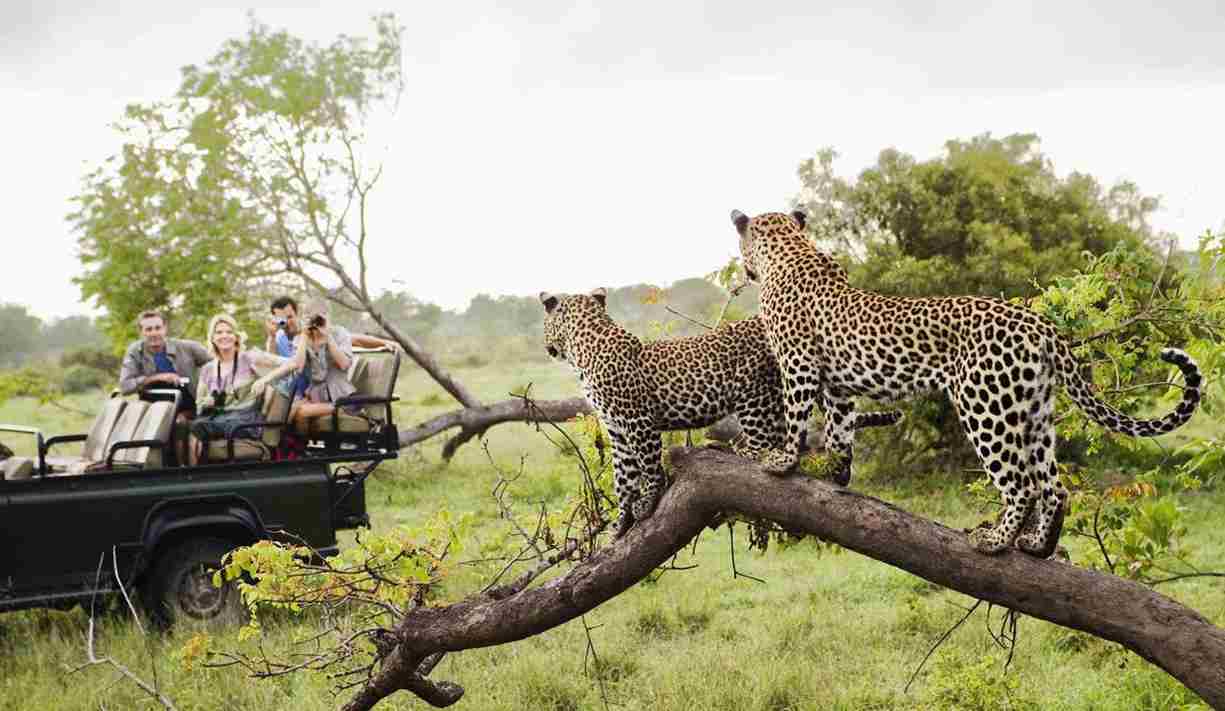 In northeastern South Africa, you'll find Kruger National Park, a vast sanctuary teeming with wildlife. Covering over 19,000 square kilometers, it's one of Africa's largest reserves. You can explore the rugged terrain and find iconic African animals in their natural homes.
What you might see
Every part of the park is full of life, from graceful giraffes eating on acacia trees to huge groups of zebras roaming the plains. Visitors can spot over 500 kinds of birds, including the beautiful lilac-breasted roller and the powerful martial eagle.
When to visit:
Places to stay:
Popular rest camps such as Skukuza, Satara, and Lower Sabie provide comfortable lodging, dining facilities, and guided activities for visitors.
In northeastern South Africa, you'll find Kruger National Park, a vast sanctuary teeming with wildlife. Covering over 19,000 square kilometers, it's one of Africa's largest reserves. You can explore the rugged terrain and find iconic African animals in their natural homes.
What you might see
Every part of the park is full of life, from graceful giraffes eating on acacia trees to huge groups of zebras roaming the plains. Visitors can spot over 500 kinds of birds, including the beautiful lilac-breasted roller and the powerful martial eagle.
When to visit:
Places to stay:
Popular rest camps such as Skukuza, Satara, and Lower Sabie provide comfortable lodging, dining facilities, and guided activities for visitors.
Galapagos Islands, Ecuador
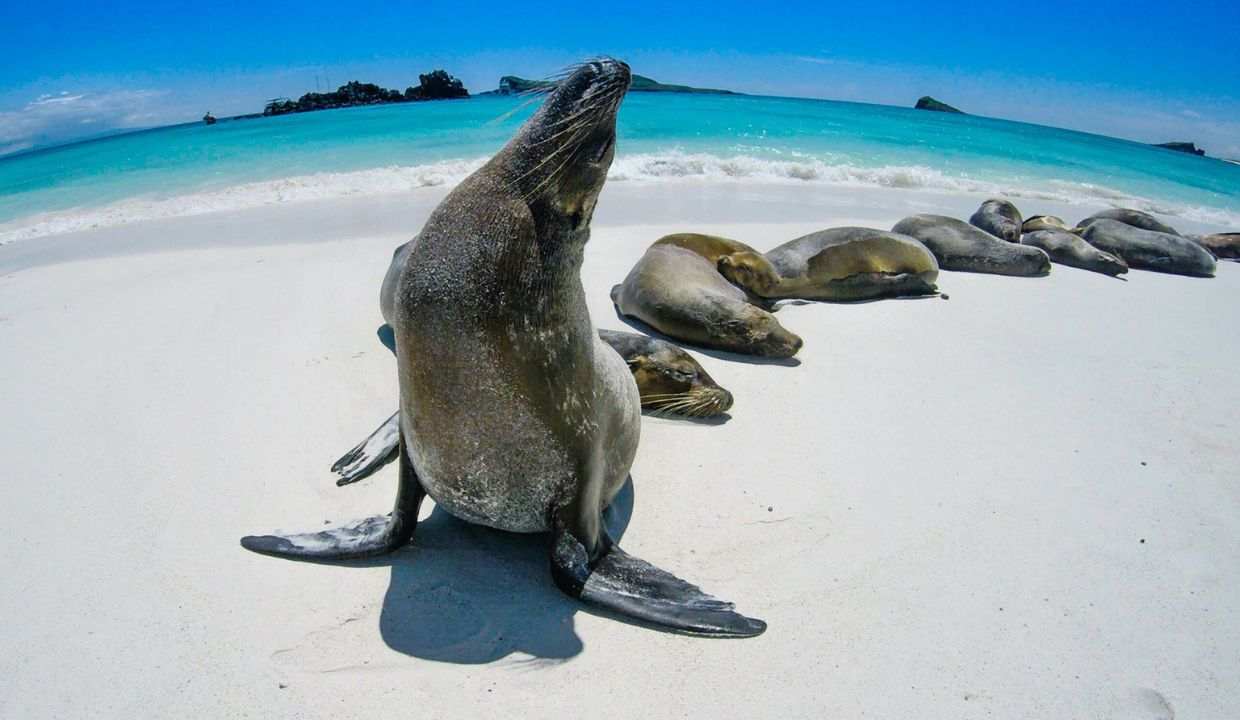 Located in the Pacific Ocean, the Galapagos Islands are a natural wonder with 19 main islands and many smaller groups. Popular for their beautiful scenery and wide range of animals, these islands are close to Ecuador. Birdwatchers and nature lovers come here to witness and be amazed by nature's wonders.
What you might see
Visitors have the chance to watch species such as giant tortoises, marine iguanas, blue-footed boobies, and Galapagos penguins.
When to visit
Places to stay
People can stay on one of the inhabited islands, like Santa Cruz or San Cristobal, where there are more services, or they can choose to stay on one of the smaller, uninhabited islands for a more private experience.
Located in the Pacific Ocean, the Galapagos Islands are a natural wonder with 19 main islands and many smaller groups. Popular for their beautiful scenery and wide range of animals, these islands are close to Ecuador. Birdwatchers and nature lovers come here to witness and be amazed by nature's wonders.
What you might see
Visitors have the chance to watch species such as giant tortoises, marine iguanas, blue-footed boobies, and Galapagos penguins.
When to visit
Places to stay
People can stay on one of the inhabited islands, like Santa Cruz or San Cristobal, where there are more services, or they can choose to stay on one of the smaller, uninhabited islands for a more private experience.
Yellowstone National Park, USA
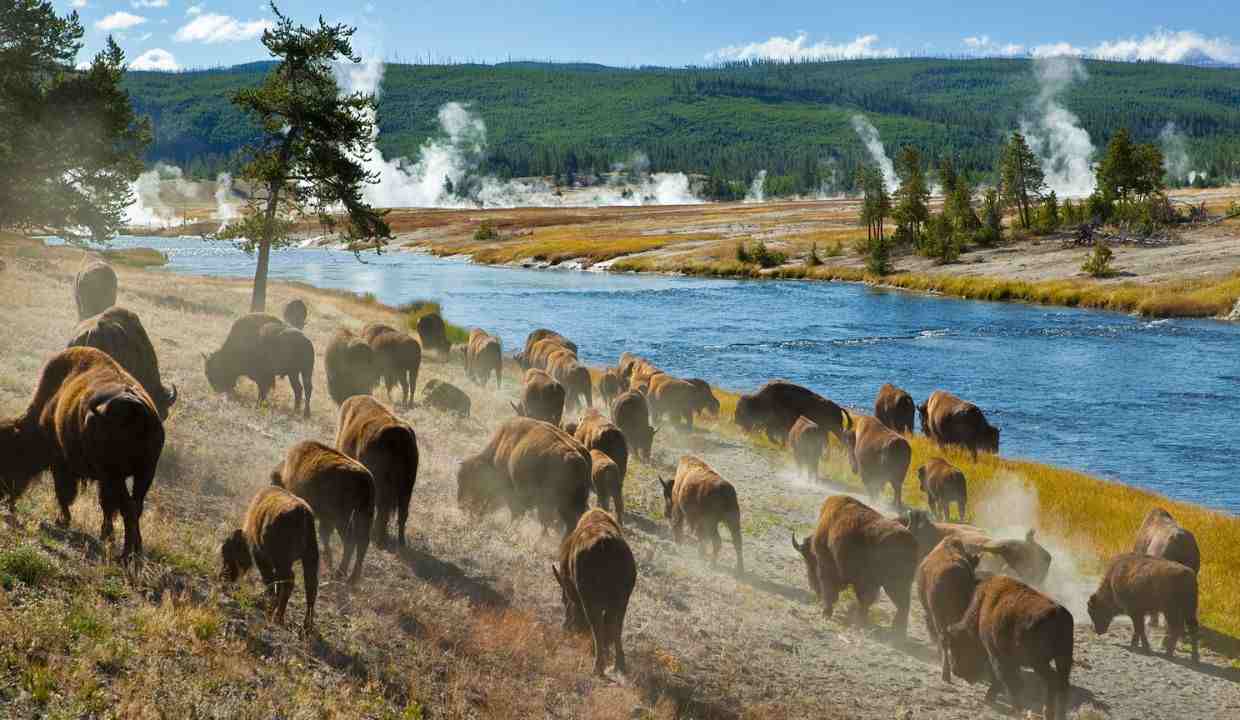 Yellowstone National Park is a sign of the beauty and variety of nature. It is in the middle of the rough US landscape. It was the world's first national park, opened in 1872. It is famous for its beautiful views, hot springs, and lots of wildlife. With 3,400 square miles in Wyoming, Montana, and Idaho, it's a view of the wild at its most beautiful.
What You Might See:
Wild animals like grizzly bears, wolves, and foxes roam the area, and bald eagles fly high above. With over 600 kinds of birds and over 60 species of mammals, there's always something fun and new to find.
When to visit:
Yellowstone National Park is a sign of the beauty and variety of nature. It is in the middle of the rough US landscape. It was the world's first national park, opened in 1872. It is famous for its beautiful views, hot springs, and lots of wildlife. With 3,400 square miles in Wyoming, Montana, and Idaho, it's a view of the wild at its most beautiful.
What You Might See:
Wild animals like grizzly bears, wolves, and foxes roam the area, and bald eagles fly high above. With over 600 kinds of birds and over 60 species of mammals, there's always something fun and new to find.
When to visit:
- Late April to May
- September through early October
Places to stay:
Stay at Madison Campground, Bridge Bay Campground, or Grant Village Campground if you like sleeping outside under the stars. You can get a fancier experience at the Old Faithful Inn and the Lake Yellowstone Hotel.
You can get away to a cabin at Canyon Lodge and Cabins or Mammoth Hot Springs Hotel and Cabins.
Ranthambore National Park, India
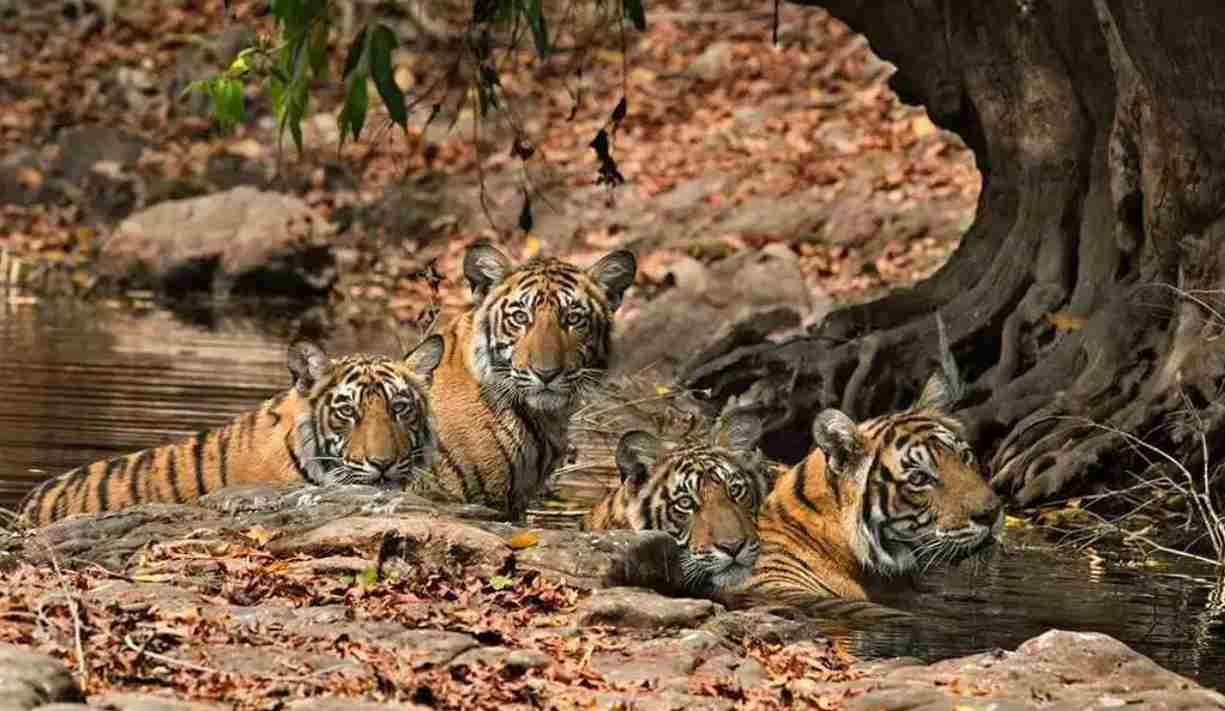 Ranthambore is one of India's biggest and most famous national parks. It is situated in Rajasthan and has been enchanting tourists and animal lovers for years. It is a sanctuary where nature lives among thick forests and old ruins that cover more than 392 square kilometers.
What you might see:
The park is home to a rich variety of wildlife, including leopards, sloth bears, wild boars, sambar deer, and numerous species of birds.
When to visit:
Places to stay:
Some popular places to stay include The Oberoi Vanyavilas, Taj Sawai Madhopur Lodge, and Ranthambore Kothi.
Ranthambore is one of India's biggest and most famous national parks. It is situated in Rajasthan and has been enchanting tourists and animal lovers for years. It is a sanctuary where nature lives among thick forests and old ruins that cover more than 392 square kilometers.
What you might see:
The park is home to a rich variety of wildlife, including leopards, sloth bears, wild boars, sambar deer, and numerous species of birds.
When to visit:
Places to stay:
Some popular places to stay include The Oberoi Vanyavilas, Taj Sawai Madhopur Lodge, and Ranthambore Kothi.
Pantanal Conservation Area, Brazil
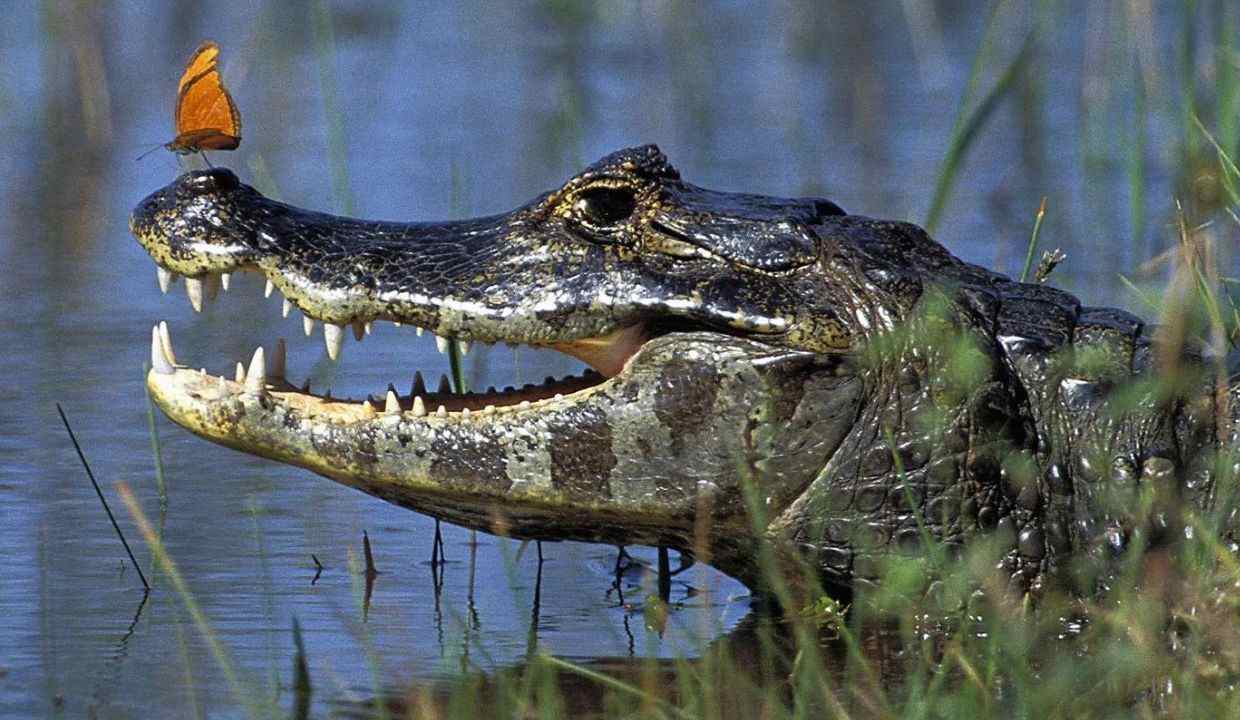 In the middle of Brazil is the Pantanal Conservation Area, a huge paradise full of living things. It covers 150,000 square kilometers and is great for people who love nature. In the face of modern problems, this biodiverse refuge shows how important it is to protect our natural world.
What you might see:
Here, visitors have the chance to see species such as jaguars, giant otters, capybaras, and anteaters. Birdwatchers will be delighted by the sight of colorful macaws, toucans, and herons soaring through the sky.
When to visit:
Places to stay:
There are a lot of eco-lodges and guesthouses in the Pantanal that let people get close to nature without giving up comfort. Some of these are the Pantanal Lodge, the Araras Eco Lodge, the Jaguar Ecological Reserve, the Pousada Rio Claro, and more.
In the middle of Brazil is the Pantanal Conservation Area, a huge paradise full of living things. It covers 150,000 square kilometers and is great for people who love nature. In the face of modern problems, this biodiverse refuge shows how important it is to protect our natural world.
What you might see:
Here, visitors have the chance to see species such as jaguars, giant otters, capybaras, and anteaters. Birdwatchers will be delighted by the sight of colorful macaws, toucans, and herons soaring through the sky.
When to visit:
Places to stay:
There are a lot of eco-lodges and guesthouses in the Pantanal that let people get close to nature without giving up comfort. Some of these are the Pantanal Lodge, the Araras Eco Lodge, the Jaguar Ecological Reserve, the Pousada Rio Claro, and more.
Okavango Delta, Botswana
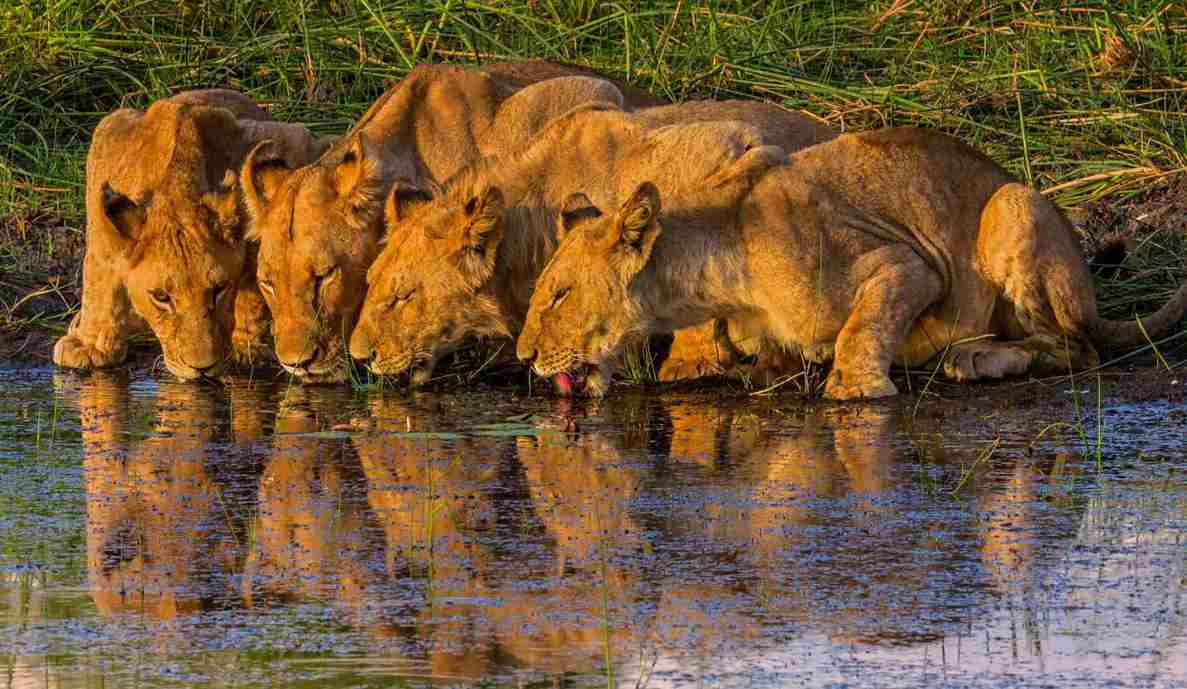 The Okavango Delta is in the middle of Botswana. UNESCO has named it a World Heritage Site because it is so big—more than 15,000 square kilometers. This oasis is full of life, and nature lovers come from all over the world to enjoy its maze of canals, lagoons, and islands.
What you might see
On the hunt, you might see big elephants moving through the marshes, graceful giraffes munching on acacia trees, or sneaky hunters like lions and leopards. A lot of different kinds of birds live in the delta, from brightly colored kingfishers to powerful African fish eagles.
When to visit
Places to stay
You might enjoy staying at Sanctuary Chief's Camp for luxury and eco-friendly comfort with stunning delta views. Or, experience rustic charm at Belmond Eagle Island Lodge.
The Okavango Delta is in the middle of Botswana. UNESCO has named it a World Heritage Site because it is so big—more than 15,000 square kilometers. This oasis is full of life, and nature lovers come from all over the world to enjoy its maze of canals, lagoons, and islands.
What you might see
On the hunt, you might see big elephants moving through the marshes, graceful giraffes munching on acacia trees, or sneaky hunters like lions and leopards. A lot of different kinds of birds live in the delta, from brightly colored kingfishers to powerful African fish eagles.
When to visit
Places to stay
You might enjoy staying at Sanctuary Chief's Camp for luxury and eco-friendly comfort with stunning delta views. Or, experience rustic charm at Belmond Eagle Island Lodge.
Great Barrier Reef Marine Park
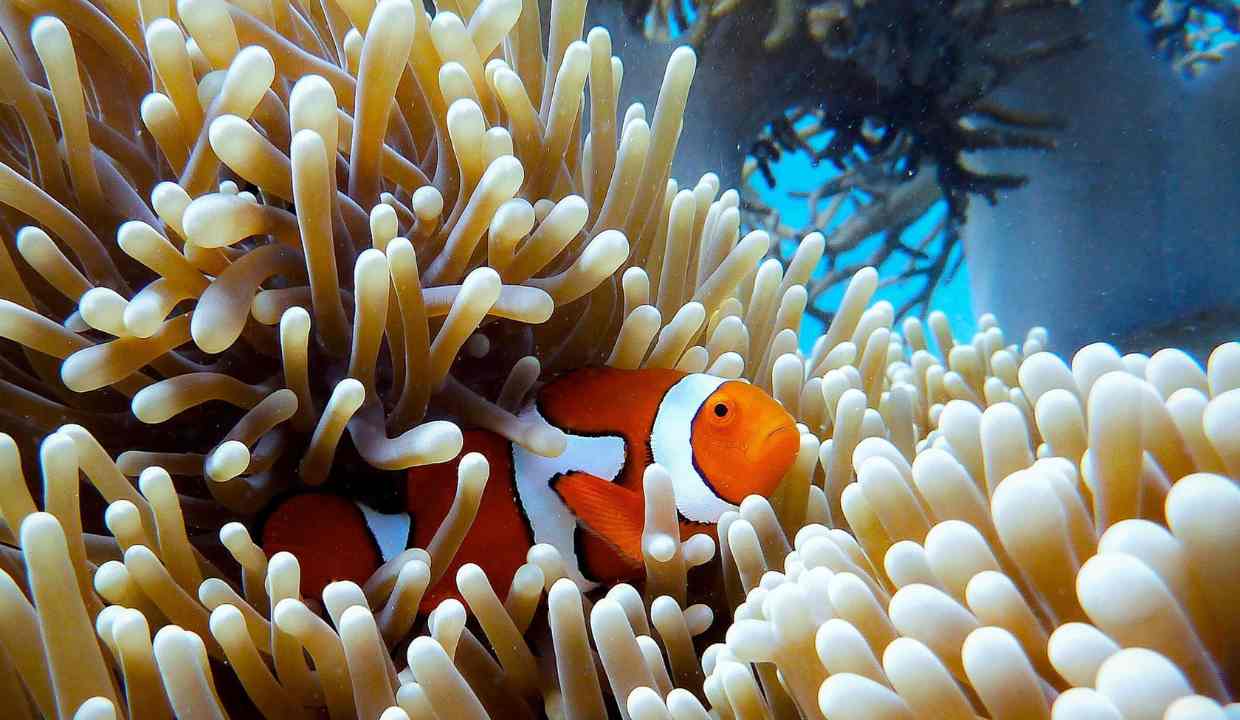 The Great Barrier Reef Marine Park is one of Australia's most beloved natural wonders and a UNESCO World Heritage Site. This marine park, which runs along Australia's northeastern coast for over 2,300 kilometers, is more than just a safe place for animals. It's a live work of art that shows how diverse and beautiful the ocean is.
What you might see
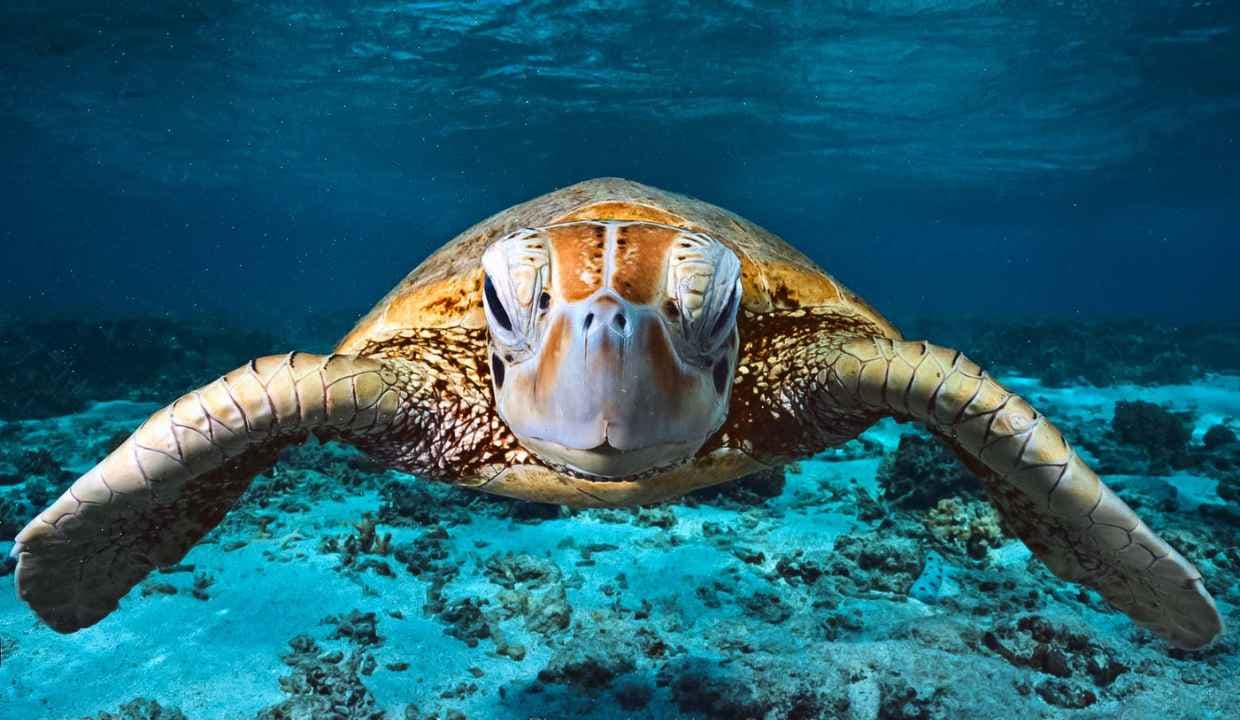
You can see sea turtles swimming gracefully through the water, as well as colorful coral formations full of tiny fish. There are more than 1,500 different kinds of fish and 400 different kinds of coral, so each dive is a chance to see something new and exciting.
When to visit
Places to stay
The Reef View Hotel on Hamilton Island, the Green Island Resort on Green Island, and the Thala Beach Nature Reserve in Port Douglas are all good places to stay near the Great Barrier Reef Marine Park.
The Great Barrier Reef Marine Park is one of Australia's most beloved natural wonders and a UNESCO World Heritage Site. This marine park, which runs along Australia's northeastern coast for over 2,300 kilometers, is more than just a safe place for animals. It's a live work of art that shows how diverse and beautiful the ocean is.
What you might see
You can see sea turtles swimming gracefully through the water, as well as colorful coral formations full of tiny fish. There are more than 1,500 different kinds of fish and 400 different kinds of coral, so each dive is a chance to see something new and exciting.
When to visit
Places to stay
The Reef View Hotel on Hamilton Island, the Green Island Resort on Green Island, and the Thala Beach Nature Reserve in Port Douglas are all good places to stay near the Great Barrier Reef Marine Park.
Corcovado National Park, Costa Rica
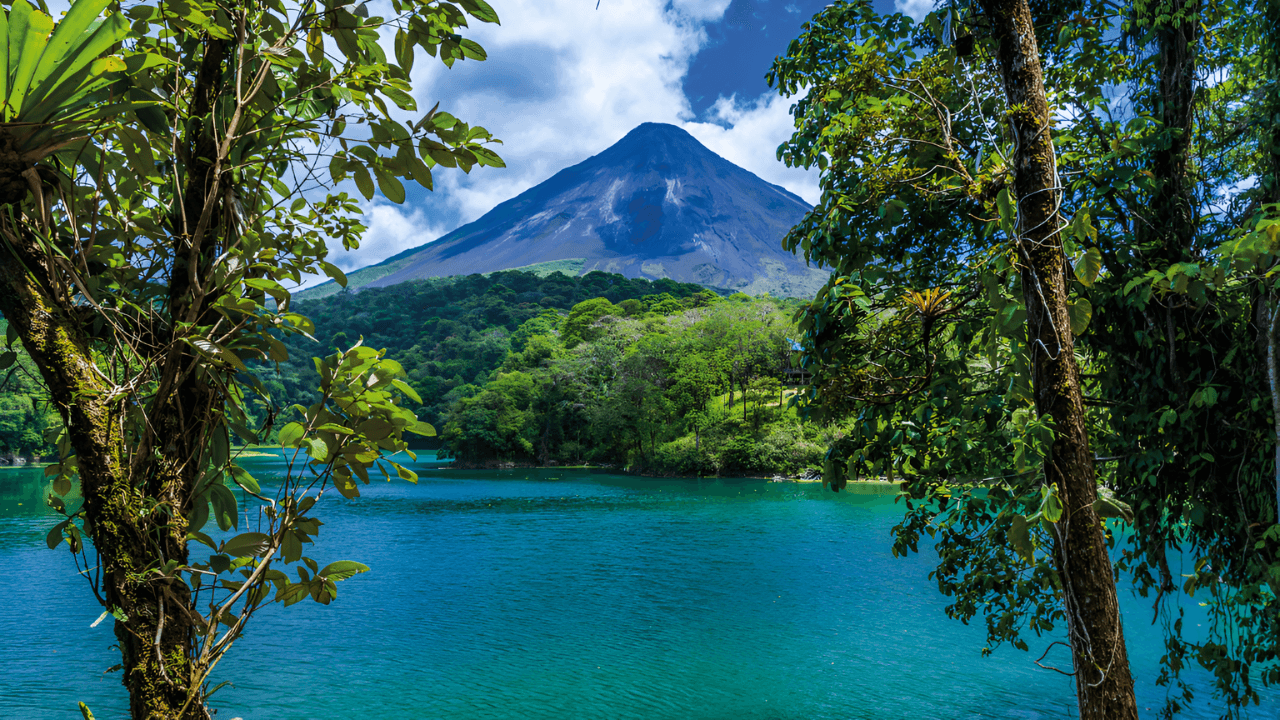
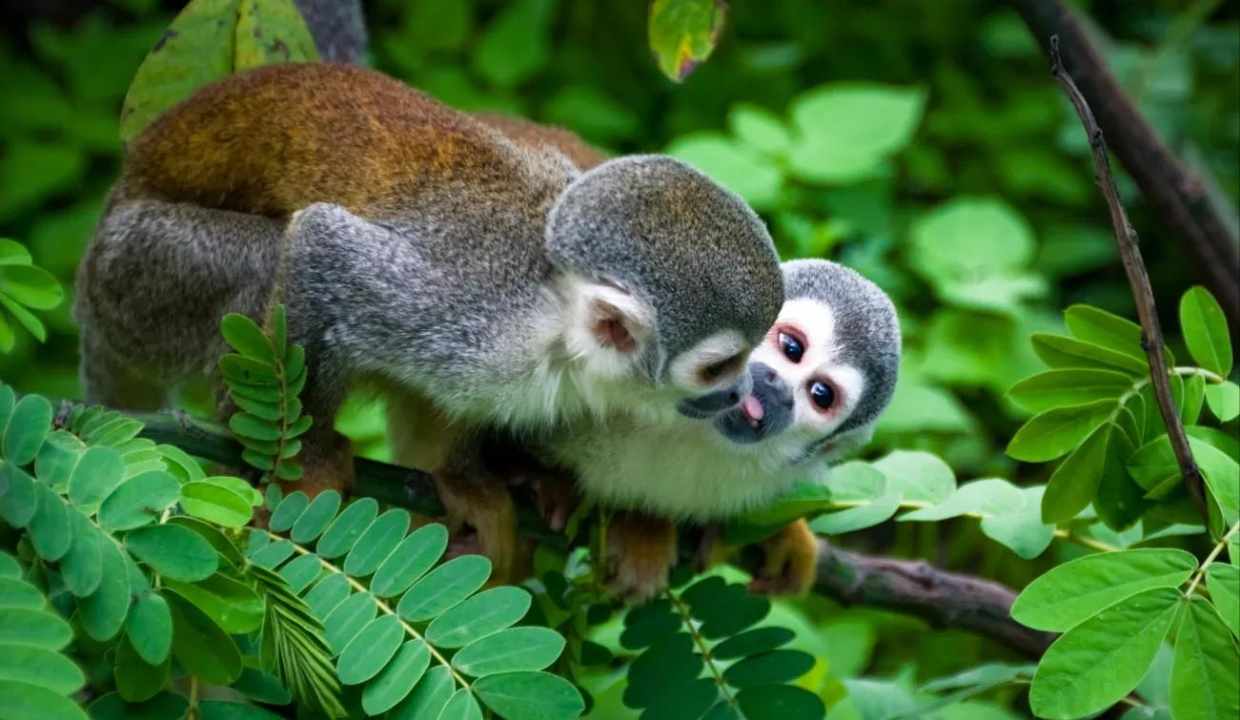 Corcovado National Park is in the beautiful central region of Costa Rica. This park protects wildlife and covers an amazing 424 square kilometers on the Osa Peninsula. An amazing collection of plants and animals makes it one of the most unique places on Earth. Explore its wild beauty!
What You Might See:
Corcovado National Park is renowned for its unparalleled biodiversity, boasting over 500 species of trees, 140 species of mammals, and a staggering array of birds, reptiles, and insects.
Tourists may see famous animals like the Baird's tapir, which is in danger of going extinct, jaguars, spider monkeys, and scarlet macaws.
When to visit:
Places to stay:
Some popular places to stay within or near the park include La Leona Eco Lodge, Sirena Ranger Station, and Lapa Rios Ecolodge.
Corcovado National Park is in the beautiful central region of Costa Rica. This park protects wildlife and covers an amazing 424 square kilometers on the Osa Peninsula. An amazing collection of plants and animals makes it one of the most unique places on Earth. Explore its wild beauty!
What You Might See:
Corcovado National Park is renowned for its unparalleled biodiversity, boasting over 500 species of trees, 140 species of mammals, and a staggering array of birds, reptiles, and insects.
Tourists may see famous animals like the Baird's tapir, which is in danger of going extinct, jaguars, spider monkeys, and scarlet macaws.
When to visit:
Places to stay:
Some popular places to stay within or near the park include La Leona Eco Lodge, Sirena Ranger Station, and Lapa Rios Ecolodge.
Komodo National Park, Indonesia
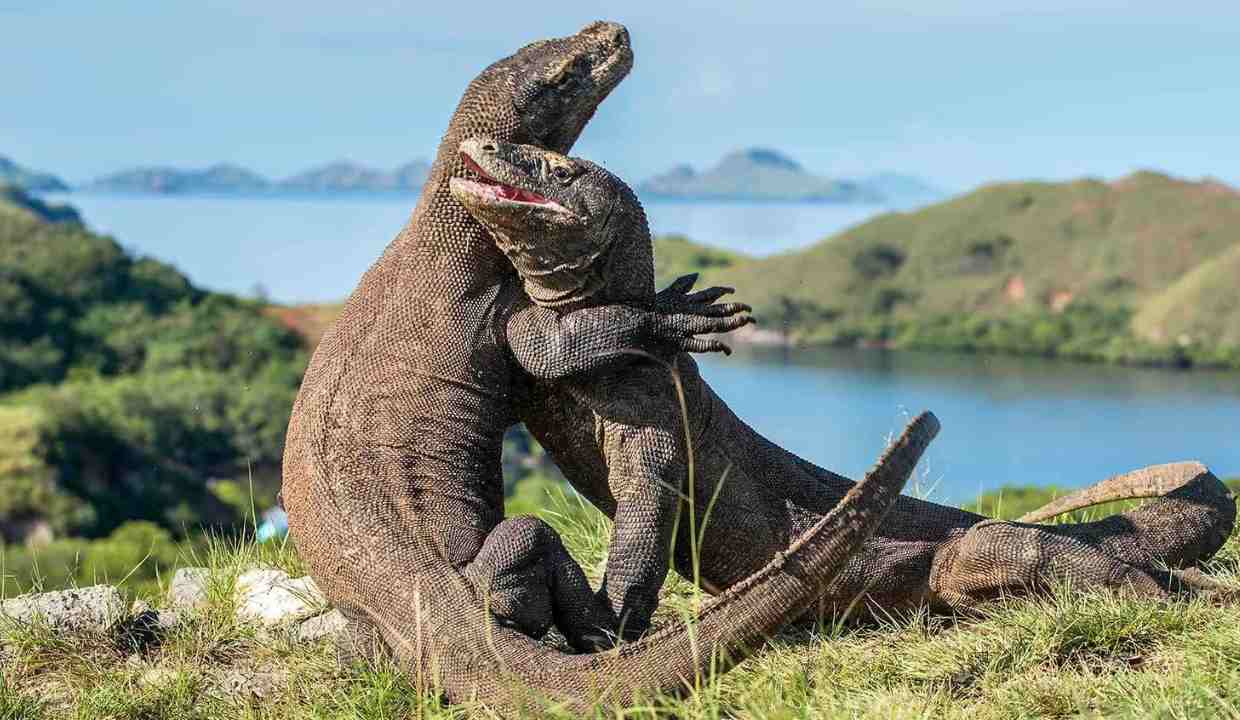 Indonesia, an archipelago of over 17,000 islands, is a treasure trove of biodiversity, boasting some of the most stunning natural landscapes and unique wildlife on the planet. It is a UNESCO World Heritage Site and home to the iconic Komodo dragons, the world's largest lizards.
What you might see
Besides the dragons, the park is full of different kinds of animals, such as wild boars, deer, water buffalo, and many kinds of birds. The sea life below the waves is just as interesting. There are manta rays, sea turtles, colorful coral reefs, and a huge variety of exotic fish.
When to visit
Places to stay
One popular option is the Komodo Resort & Diving Club, and you can also consider the Seraya Island Resort overlooking the sea. Alternatively, the Plataran Komodo Beach Resort offers luxurious villas with private pools.
Indonesia, an archipelago of over 17,000 islands, is a treasure trove of biodiversity, boasting some of the most stunning natural landscapes and unique wildlife on the planet. It is a UNESCO World Heritage Site and home to the iconic Komodo dragons, the world's largest lizards.
What you might see
Besides the dragons, the park is full of different kinds of animals, such as wild boars, deer, water buffalo, and many kinds of birds. The sea life below the waves is just as interesting. There are manta rays, sea turtles, colorful coral reefs, and a huge variety of exotic fish.
When to visit
Places to stay
One popular option is the Komodo Resort & Diving Club, and you can also consider the Seraya Island Resort overlooking the sea. Alternatively, the Plataran Komodo Beach Resort offers luxurious villas with private pools.
Volcanoes National Park, Rwanda
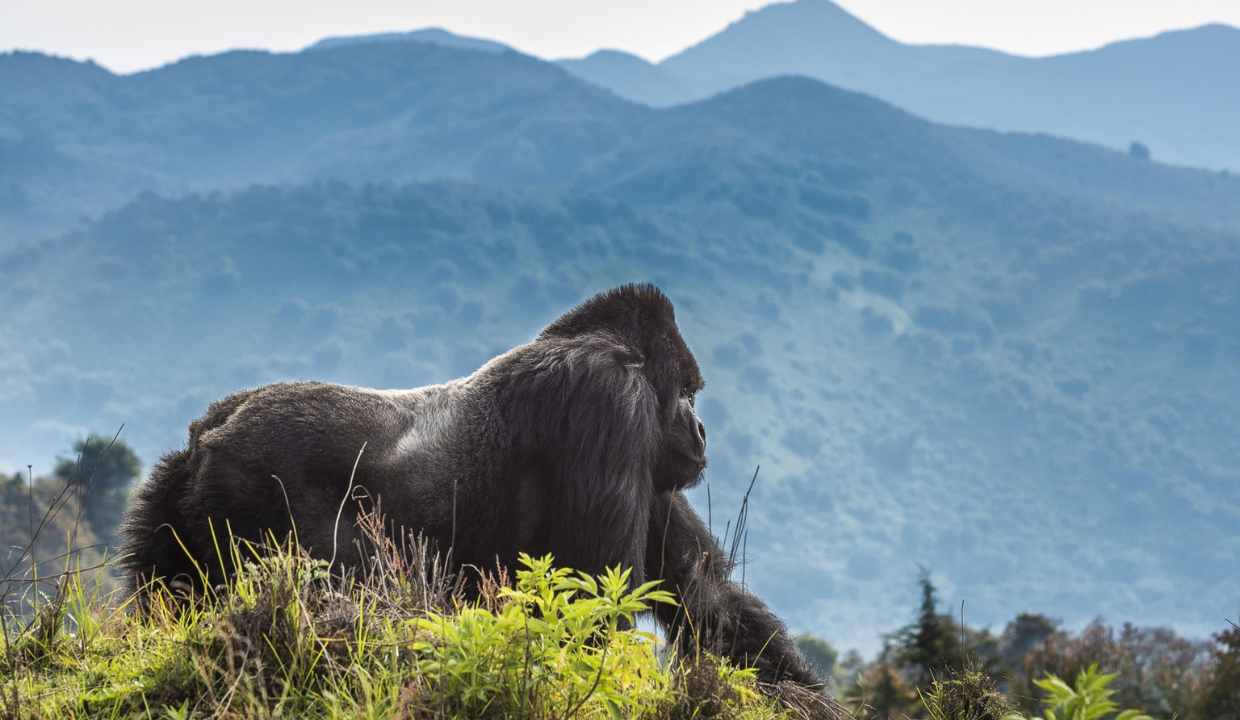 Volcanoes National Park, a remarkable wilderness area spanning over 160 square kilometers, is for both wildlife enthusiasts and adventurers alike. Established in 1925, it is one of Africa's oldest national parks and holds a special place in the hearts of conservationists and nature lovers worldwide.
What you might see:
Researchers Dian Fossey and others have studied the critically threatened mountain gorillas that live in Volcanoes National Park. The hillsides, where gorillas and golden monkeys live and grow in bamboo forests, are covered in mist. The park's animals include the Rwenzori turaco and the African green broadbill.
When to visit:
Volcanoes National Park, a remarkable wilderness area spanning over 160 square kilometers, is for both wildlife enthusiasts and adventurers alike. Established in 1925, it is one of Africa's oldest national parks and holds a special place in the hearts of conservationists and nature lovers worldwide.
What you might see:
Researchers Dian Fossey and others have studied the critically threatened mountain gorillas that live in Volcanoes National Park. The hillsides, where gorillas and golden monkeys live and grow in bamboo forests, are covered in mist. The park's animals include the Rwenzori turaco and the African green broadbill.
When to visit:
- June to mid-September
- December to February
Places to stay:
Some popular choices include the luxurious Bisate Lodge, known for its stunning views of the surrounding volcanoes, and the eco-friendly Virunga Lodge, which offers a blend of comfort and sustainability.
Chitwan National Park
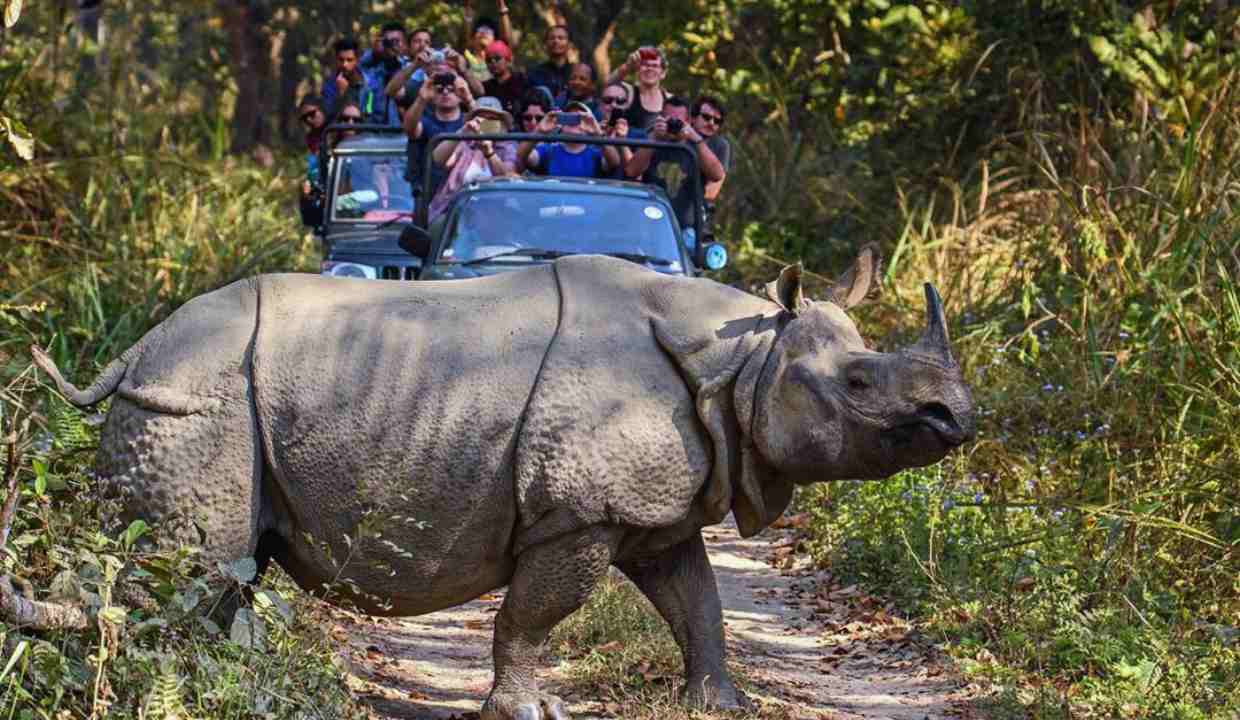 This UNESCO World Heritage Site covers an area of 932 square kilometers and shows how much Nepal cares about protecting its wildlife and natural landscapes. The park, which opened in 1973, is a leader in conservation efforts in the area and draws nature lovers, wildlife photographers, and explorers from all over the world.
What You Might See:
The Bengal tiger, the one-horned rhinoceros, the Asiatic elephant, the sloth bear, and more than 500 kinds of birds are just some of the animals that people can see.
When to visit:
October to early March
Places to stay:
Some popular accommodations within the park include Tigerland Safari Resort, Green Park Chitwan, and Barahi Jungle Lodge, each offering comfortable amenities and guided wildlife excursions.
This UNESCO World Heritage Site covers an area of 932 square kilometers and shows how much Nepal cares about protecting its wildlife and natural landscapes. The park, which opened in 1973, is a leader in conservation efforts in the area and draws nature lovers, wildlife photographers, and explorers from all over the world.
What You Might See:
The Bengal tiger, the one-horned rhinoceros, the Asiatic elephant, the sloth bear, and more than 500 kinds of birds are just some of the animals that people can see.
When to visit:
October to early March
Places to stay:
Some popular accommodations within the park include Tigerland Safari Resort, Green Park Chitwan, and Barahi Jungle Lodge, each offering comfortable amenities and guided wildlife excursions.
Bwindi Impenetrable National Park, Uganda
The mountain gorillas that live in Bwindi Impenetrable National Park are one of the park's most famous features. With its dense woods and rough terrain spanning over 321 square kilometers, Bwindi Impenetrable National Park is the best place in the world to see nature at its most pristine.
What you might see:
One of the main highlights of Bwindi Impenetrable National Park is undoubtedly its population of mountain gorillas. The park is also home to a diverse array of wildlife, including over 120 species of mammals, 350 species of birds, and countless other fascinating creatures such as chimpanzees, colobus monkeys, and forest elephants.
When to visit:
- June to August
- December to February
Places to stay:
Some popular choices include Buhoma Lodge, Mahogany Springs Lodge, and Gorilla Forest Camp.
Torres del Paine National Park, Chile
Torres del Paine National Park is a UNESCO World Biosphere Reserve in Chile. It extends to 2,400 square kilometers, even more than rugged terrain. This park comprises azure lakes, lush forests, and clear glaciers that create a breathtaking scenario.
What you might see:
Birdwatchers will delight in spotting Andean condors soaring high above. Lucky observers may even catch a glimpse of the rare South Andean deer or the endangered Chilean huemul.
When to visit:
- Mid-September to November
Places to stay:
Popular options include the luxurious Explora Patagonia, the rustic EcoCamp Patagonia, and the budget-friendly campgrounds managed by CONAF (National Forest Corporation).
Considerations before going on an international wildlife trip
When embarking on an international wildlife trip, packing the right gear and considering certain factors can enhance your experience and ensure your safety. Here's a list of things to pack and consider:
Clothing: Pack lightweight, breathable clothing appropriate for your destination's climate. Include layers for varying temperatures, a waterproof jacket, sturdy hiking boots, and comfortable walking shoes.
Protection from the Elements: Bring a wide-brimmed hat, sunglasses, sunscreen, insect repellent, and a lightweight scarf or bandana for sun and insect protection.
Binoculars and Camera: Invest in a good pair of binoculars for wildlife viewing, and don't forget your camera or smartphone with extra batteries and memory cards to capture memorable moments.
Field Guide and Wildlife Books: To identify species you encounter, carry field guides or wildlife books specific to the region you're visiting.
Medical Kit: Pack a basic medical kit containing essential items like pain relievers, antihistamines, bandages, antiseptic wipes, and any personal medications.
Water and Snacks: Stay hydrated by carrying a refillable water bottle and packing lightweight, non-perishable snacks for energy during hikes or wildlife-watching sessions.
Navigation and Communication: Bring a map or GPS device, and make sure you have a reliable means of communication, such as a fully charged mobile phone or satellite phone, in case of emergencies.
Travel Documents: Don't forget your passport, visa (if required), travel insurance documents, and any permits needed for wildlife activities, such as national park entry permits or gorilla trekking permits.
Respectful Wildlife Viewing Gear: If applicable, pack camouflage or neutral-colored clothing to blend in with the surroundings and minimize disturbance to wildlife.
Environmental awareness: Practice Leave No Trace principles by minimizing waste, respecting wildlife and their habitats, and following local regulations and guidelines.
Cultural Sensitivity: Research and respect the local customs, traditions, and wildlife conservation efforts of the destination you're visiting.
Emergency Preparedness: Familiarize yourself with emergency procedures, including evacuation routes and contact information for local authorities or emergency services.
Conclusion
Stepping on an international wildlife trip is indeed an exhilarating thing. It directly connects you with the beautiful nature around us. Whether you are exploring the jungles of Borneo, the savannas of Africa, or the rainforests of Costa Rica, each adventure promises to educate, motivate, and ignite your passion for wildlife conservation. So, are you ready to go?