
/
/
Nestled on the banks of the majestic Yamuna River, Agra, the incredible city of monuments, beckons travelers with its timeless allure. Renowned worldwide for its architectural marvels
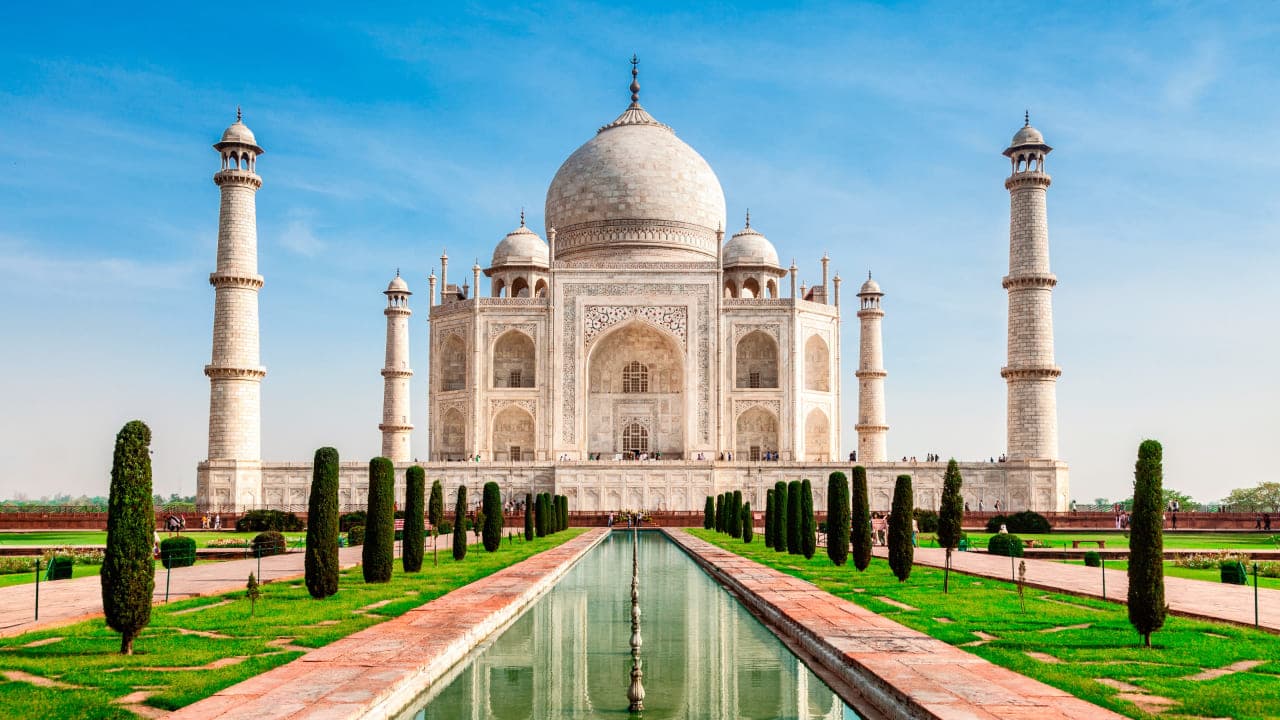
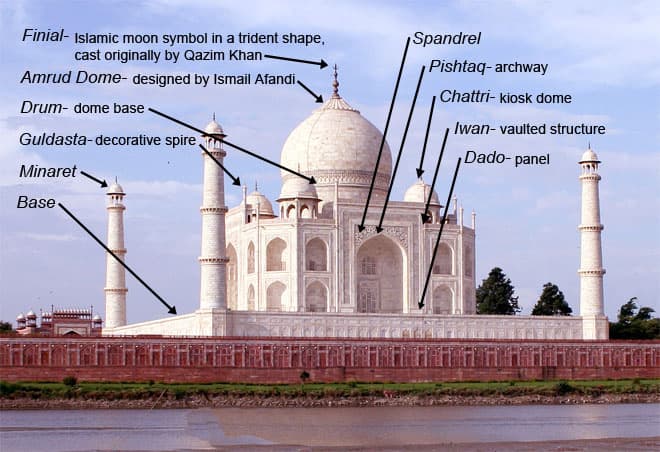
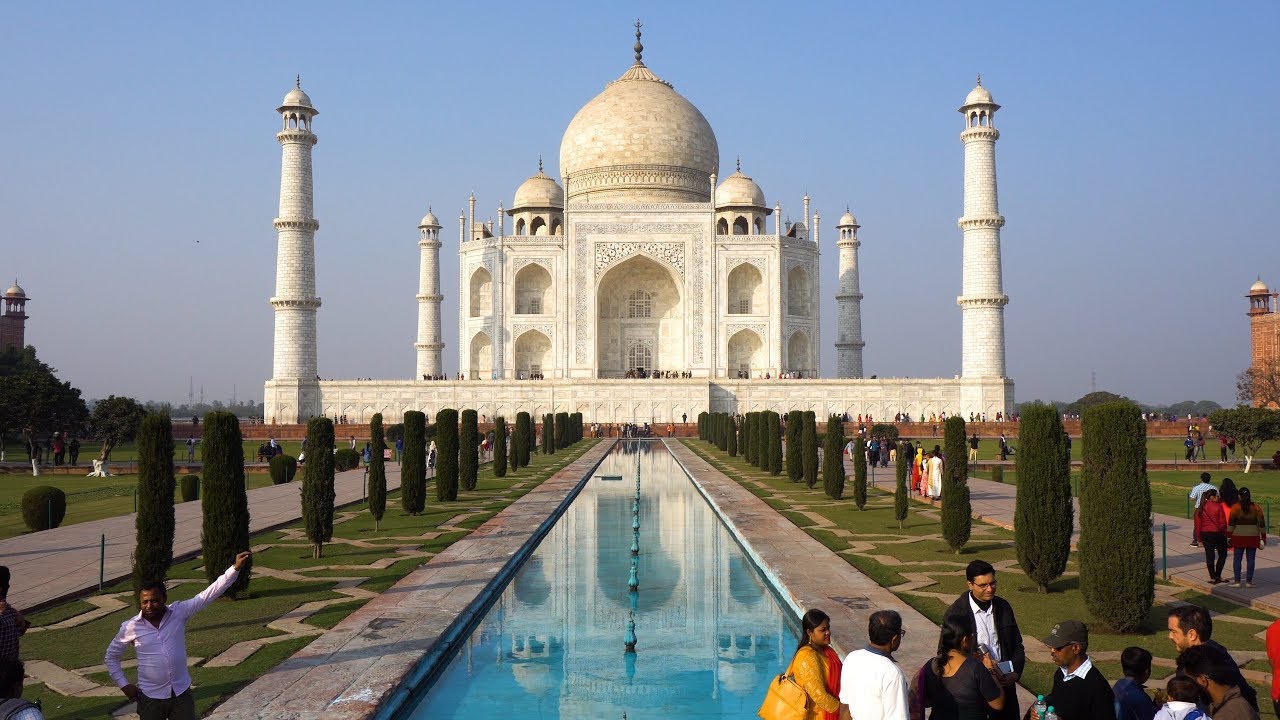 No visit to Agra is complete without standing in awe of the world-famous Taj Mahal. This pristine white marble masterpiece, often dubbed the "Crown of Palaces," is a UNESCO World Heritage Site and an enduring symbol of love. The Taj Mahal, which the Mughal emperor Shah Jahan constructed in honor of his adored wife, Mumtaz Mahal, is a testament to the grandeur and architectural brilliance of the Mughal era.
The intricate marble inlay work, the mesmerizing reflection pool, and the delicate calligraphy on its walls are just a few of the elements that make the Taj Mahal an architectural wonder. Whether you visit during sunrise, sunset, or under the soft moonlight, the Taj Mahal never fails to leave a lasting impression, invoking a sense of romance and wonder that is unparalleled.
Entry fees: ₹50 for each Indian citizen, ₹540 for SAARC and BIMSTEC citizens
Free entry: Children below 15 years
Other foreign visitors: ₹1100 each
Mausoleum charges (additional): ₹200 per person
Operating hours: 9 am to 6 pm
Want to know the secrets of the Taj Mahal?
Read this! Taj Mahal Untold Story- Great Love story behind Taj Mahal construction
No visit to Agra is complete without standing in awe of the world-famous Taj Mahal. This pristine white marble masterpiece, often dubbed the "Crown of Palaces," is a UNESCO World Heritage Site and an enduring symbol of love. The Taj Mahal, which the Mughal emperor Shah Jahan constructed in honor of his adored wife, Mumtaz Mahal, is a testament to the grandeur and architectural brilliance of the Mughal era.
The intricate marble inlay work, the mesmerizing reflection pool, and the delicate calligraphy on its walls are just a few of the elements that make the Taj Mahal an architectural wonder. Whether you visit during sunrise, sunset, or under the soft moonlight, the Taj Mahal never fails to leave a lasting impression, invoking a sense of romance and wonder that is unparalleled.
Entry fees: ₹50 for each Indian citizen, ₹540 for SAARC and BIMSTEC citizens
Free entry: Children below 15 years
Other foreign visitors: ₹1100 each
Mausoleum charges (additional): ₹200 per person
Operating hours: 9 am to 6 pm
Want to know the secrets of the Taj Mahal?
Read this! Taj Mahal Untold Story- Great Love story behind Taj Mahal construction
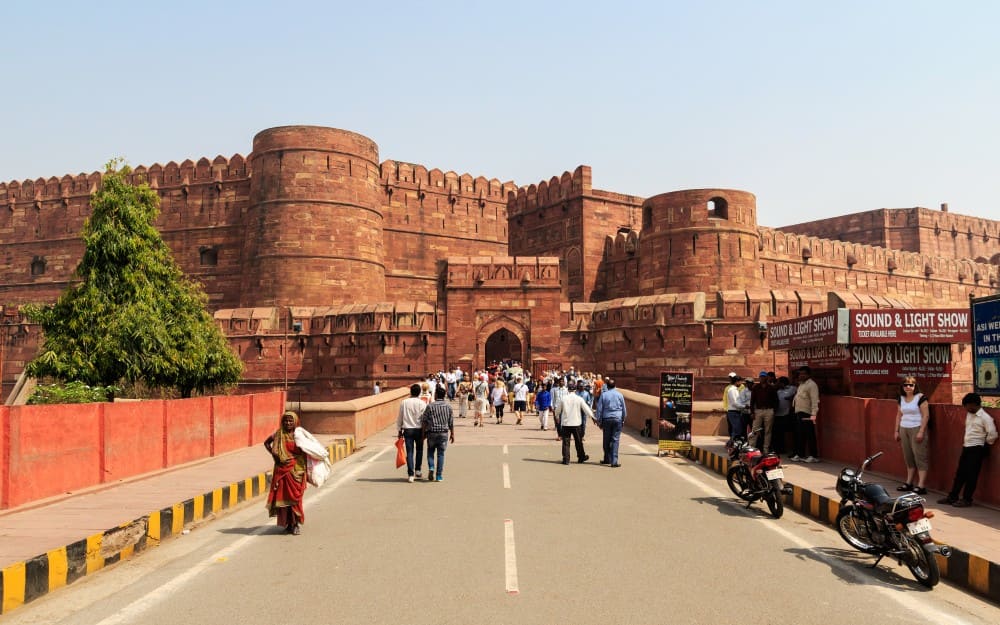 The Agra Fort, or the Red Fort of Agra, is a huge building that was once the main home of the Mughal rulers. It is not far from the Taj Mahal. This strong fort, made mostly of red brick, shows how good the Mughals were at war and how good they were at building.
As you wander through its massive gates and imposing walls, you'll discover a wealth of history, including the exquisite Diwan-i-Am (Hall of Public Audience), the opulent Diwan-i-Khas (Hall of Private Audience), and the impressive Jahangir Palace.
Entry fees: ₹50 for each Indian citizen, ₹650 for foreign visitors
Price tickets on Friday: ₹40 and ₹600
Free entry: Children below 15 years
Operating hours: 6 am to 6 pm
The Agra Fort, or the Red Fort of Agra, is a huge building that was once the main home of the Mughal rulers. It is not far from the Taj Mahal. This strong fort, made mostly of red brick, shows how good the Mughals were at war and how good they were at building.
As you wander through its massive gates and imposing walls, you'll discover a wealth of history, including the exquisite Diwan-i-Am (Hall of Public Audience), the opulent Diwan-i-Khas (Hall of Private Audience), and the impressive Jahangir Palace.
Entry fees: ₹50 for each Indian citizen, ₹650 for foreign visitors
Price tickets on Friday: ₹40 and ₹600
Free entry: Children below 15 years
Operating hours: 6 am to 6 pm
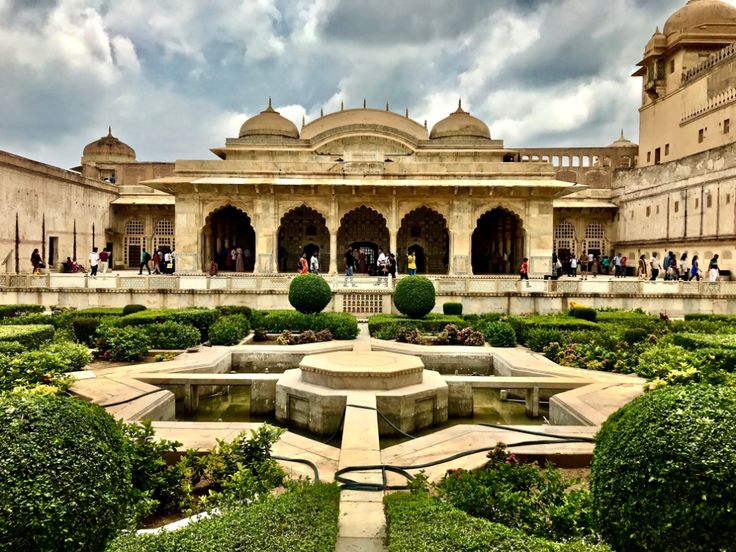 Ram Bagh, also known as Aram Bagh or the Garden of Relaxation, is one of the oldest Mughal gardens in India. Built during the reign of Emperor Babur, it's a verdant oasis amidst the historical monuments of Agra. This meticulously laid-out garden showcases the typical Persian-style Charbagh (four-part garden) design, with geometric patterns and flowing water channels.
There are fragrant flowers, shady trees, and tranquil fountain sounds all around you as you stroll through Ram Bagh. The park is not only beautiful to look at, but it is also a peaceful place to get away from the busy city and relax in an atmosphere that reminds you of the Mughal era.
Entry fees: ₹10 for each Indian citizen, ₹200 for foreign visitors
Operating hours: 6 am to 6 pm
Ram Bagh, also known as Aram Bagh or the Garden of Relaxation, is one of the oldest Mughal gardens in India. Built during the reign of Emperor Babur, it's a verdant oasis amidst the historical monuments of Agra. This meticulously laid-out garden showcases the typical Persian-style Charbagh (four-part garden) design, with geometric patterns and flowing water channels.
There are fragrant flowers, shady trees, and tranquil fountain sounds all around you as you stroll through Ram Bagh. The park is not only beautiful to look at, but it is also a peaceful place to get away from the busy city and relax in an atmosphere that reminds you of the Mughal era.
Entry fees: ₹10 for each Indian citizen, ₹200 for foreign visitors
Operating hours: 6 am to 6 pm
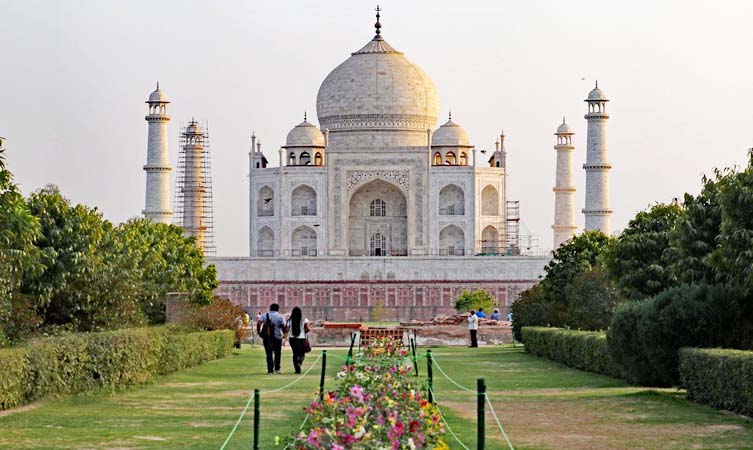 Mehtab Bagh, also called the "Moonlight Garden," is a secret gem that gives visitors a unique view of the Taj Mahal. This park is on the other side of the Yamuna River from the Taj. At different times of the day, it gives a breathtaking view of the Taj.
The symmetrical layout of Mehtab Bagh, with its lush green lawns and pristine fountains, creates a serene atmosphere. It's an ideal spot for photographers and nature enthusiasts. At sunset, the Taj Mahal is bathed in a golden glow, casting its reflection in the river, making it a perfect moment to capture the monument's unparalleled beauty.
Entry fees: ₹15 - ₹25 for each Indian citizen, 200–300 for foreign visitors
SAARC and Bimstec countries: ₹15 - ₹25
Operating hours: 6 am to 5 pm.
Mehtab Bagh, also called the "Moonlight Garden," is a secret gem that gives visitors a unique view of the Taj Mahal. This park is on the other side of the Yamuna River from the Taj. At different times of the day, it gives a breathtaking view of the Taj.
The symmetrical layout of Mehtab Bagh, with its lush green lawns and pristine fountains, creates a serene atmosphere. It's an ideal spot for photographers and nature enthusiasts. At sunset, the Taj Mahal is bathed in a golden glow, casting its reflection in the river, making it a perfect moment to capture the monument's unparalleled beauty.
Entry fees: ₹15 - ₹25 for each Indian citizen, 200–300 for foreign visitors
SAARC and Bimstec countries: ₹15 - ₹25
Operating hours: 6 am to 5 pm.
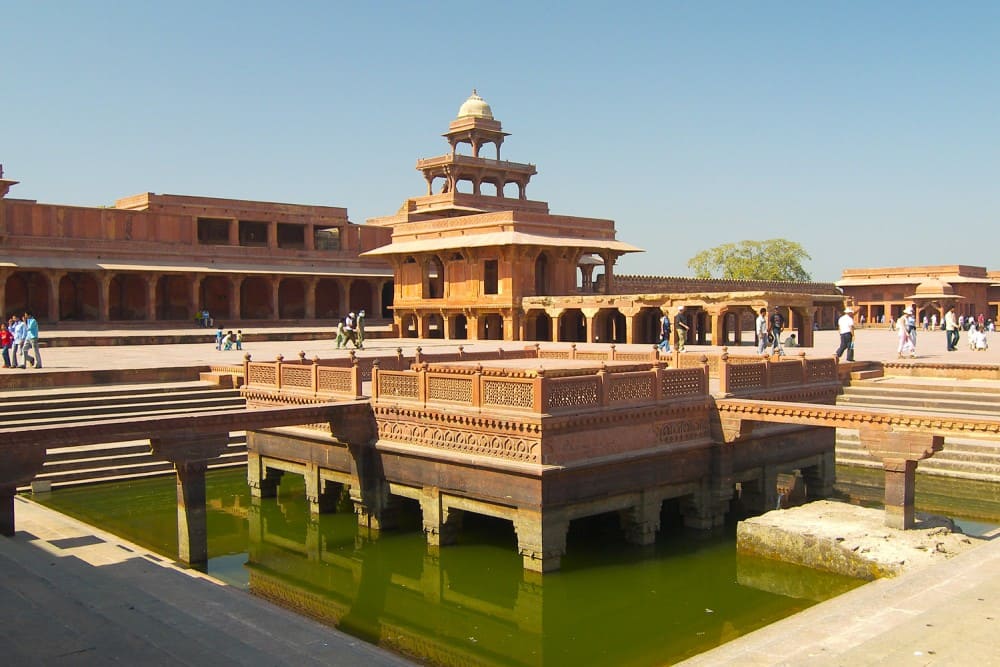 Next come to Fatehpur Sikri, a place that transports you back to the Mughal era with its architectural grandeur and historical significance. Just 40 kilometers from Agra, this once-flourishing city now stands as a ghost town, preserving the remnants of its glorious past. Emperor Akbar established Fatehpur Sikri as his capital in the late 16th century but abandoned it due to a lack of water.
The architectural marvels of Fatehpur Sikri, such as the Buland Darwaza and the Jama Masjid, are a testament to the architectural finesse of the Mughals. The Buland Darwaza, also called the "Gate of Magnificence," is an imposing structure that serves as the entrance to the city. Its sheer size and intricate design leave visitors in awe, making it one of the finest examples of Mughal architecture.
Entry fees: ₹ 40 for Indians, ₹ 550 for foreigners, free entry for children under 15 years
Operating hours: 6 am to 6:30 pm.
Also read: 11 Popular Destinations in Afghanistan
Next come to Fatehpur Sikri, a place that transports you back to the Mughal era with its architectural grandeur and historical significance. Just 40 kilometers from Agra, this once-flourishing city now stands as a ghost town, preserving the remnants of its glorious past. Emperor Akbar established Fatehpur Sikri as his capital in the late 16th century but abandoned it due to a lack of water.
The architectural marvels of Fatehpur Sikri, such as the Buland Darwaza and the Jama Masjid, are a testament to the architectural finesse of the Mughals. The Buland Darwaza, also called the "Gate of Magnificence," is an imposing structure that serves as the entrance to the city. Its sheer size and intricate design leave visitors in awe, making it one of the finest examples of Mughal architecture.
Entry fees: ₹ 40 for Indians, ₹ 550 for foreigners, free entry for children under 15 years
Operating hours: 6 am to 6:30 pm.
Also read: 11 Popular Destinations in Afghanistan
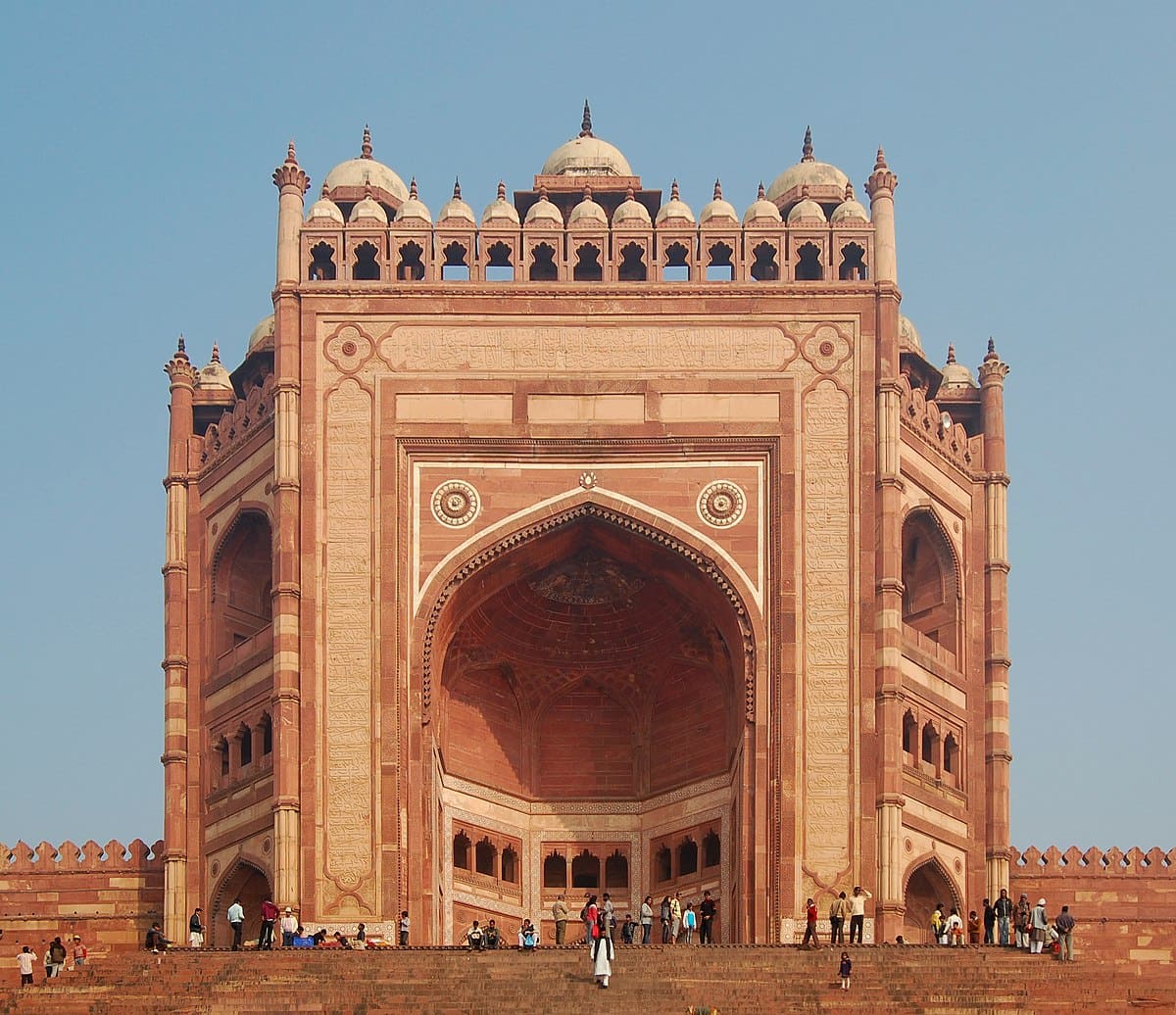 Standing tall at 54 meters, the Buland Darwaza is not only an architectural marvel but also a symbol of victory. It exudes grandeur and authority because Emperor Akbar built it to remember his successful campaign in Gujarat. As you approach this colossal gateway, the intricately carved calligraphy and geometric patterns on its imposing façade leave you spellbound.
The Buland Darwaza is not merely an architectural masterpiece; it also holds religious significance. The inscriptions on the gateway include verses from the Quran, reflecting the religious tolerance and inclusivity promoted by Akbar during his reign.
Entry fees: ₹50 per person for Indian, SAARC, and BIMSTEC country visitors; for other foreign nationals, the entry fee is ₹ 610.
Operating hours: 8 am- 7 pm.
Standing tall at 54 meters, the Buland Darwaza is not only an architectural marvel but also a symbol of victory. It exudes grandeur and authority because Emperor Akbar built it to remember his successful campaign in Gujarat. As you approach this colossal gateway, the intricately carved calligraphy and geometric patterns on its imposing façade leave you spellbound.
The Buland Darwaza is not merely an architectural masterpiece; it also holds religious significance. The inscriptions on the gateway include verses from the Quran, reflecting the religious tolerance and inclusivity promoted by Akbar during his reign.
Entry fees: ₹50 per person for Indian, SAARC, and BIMSTEC country visitors; for other foreign nationals, the entry fee is ₹ 610.
Operating hours: 8 am- 7 pm.
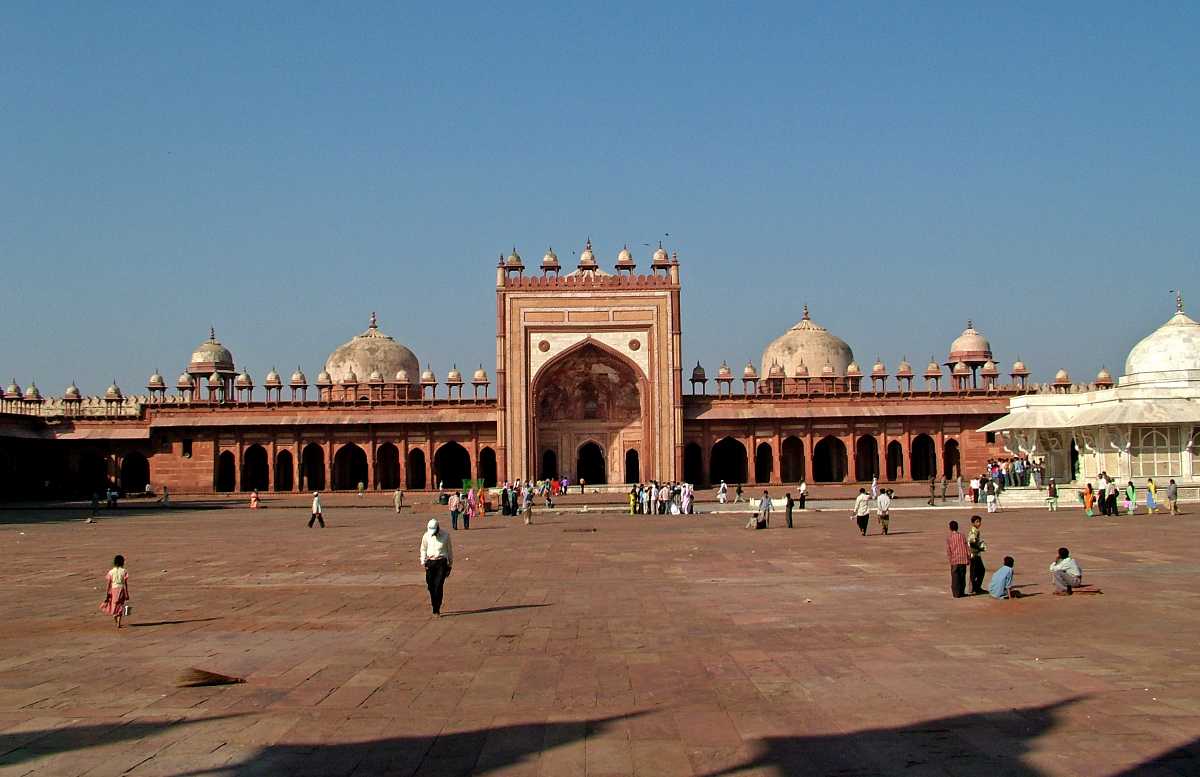 Adjacent to the Buland Darwaza stands the Jama Masjid, an epitome of Mughal architecture and spirituality. The magnificent mosque that Emperor Akbar constructed is a place where aesthetics and faith coexist harmoniously. Its vast courtyard can accommodate thousands of worshippers, making it one of the largest mosques in India.
The Jama Masjid is a visual treat for art enthusiasts. The white marble inlay work, intricate calligraphy, and stunning geometric patterns on the mosque's façade are a testament to the Mughals' mastery over architectural detailing. As you enter the mosque, the serenity within the prayer halls provides a stark contrast to the bustling world outside.
Entry fees: free
Operating hours: 6 am- 8 pm.
Adjacent to the Buland Darwaza stands the Jama Masjid, an epitome of Mughal architecture and spirituality. The magnificent mosque that Emperor Akbar constructed is a place where aesthetics and faith coexist harmoniously. Its vast courtyard can accommodate thousands of worshippers, making it one of the largest mosques in India.
The Jama Masjid is a visual treat for art enthusiasts. The white marble inlay work, intricate calligraphy, and stunning geometric patterns on the mosque's façade are a testament to the Mughals' mastery over architectural detailing. As you enter the mosque, the serenity within the prayer halls provides a stark contrast to the bustling world outside.
Entry fees: free
Operating hours: 6 am- 8 pm.
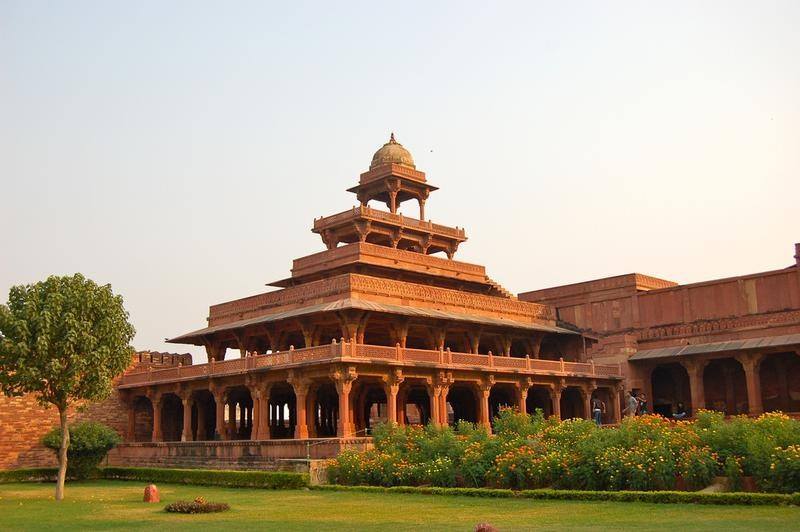 A short walk from the Jama Masjid leads you to the Panch Mahal, a structure that stands out with its unique architecture. A fascinating example of Mughal design innovation is this five-story palace, which has fewer columns on each level. As you climb to the top, the panoramic views of Fatehpur Sikri and the surrounding landscape unfold before you, making it a favorite spot for photographers and history enthusiasts alike.
The Panch Mahal served as a retreat for the Mughal emperors, offering them a place of relaxation and reflection. The open-air design allowed for cool breezes to flow through the palace, providing respite from the scorching Indian summers.
Entry fees: ₹20 for Indians and Rs. 260 for foreigners
Operating hours: 7 am to 6 pm.
A short walk from the Jama Masjid leads you to the Panch Mahal, a structure that stands out with its unique architecture. A fascinating example of Mughal design innovation is this five-story palace, which has fewer columns on each level. As you climb to the top, the panoramic views of Fatehpur Sikri and the surrounding landscape unfold before you, making it a favorite spot for photographers and history enthusiasts alike.
The Panch Mahal served as a retreat for the Mughal emperors, offering them a place of relaxation and reflection. The open-air design allowed for cool breezes to flow through the palace, providing respite from the scorching Indian summers.
Entry fees: ₹20 for Indians and Rs. 260 for foreigners
Operating hours: 7 am to 6 pm.
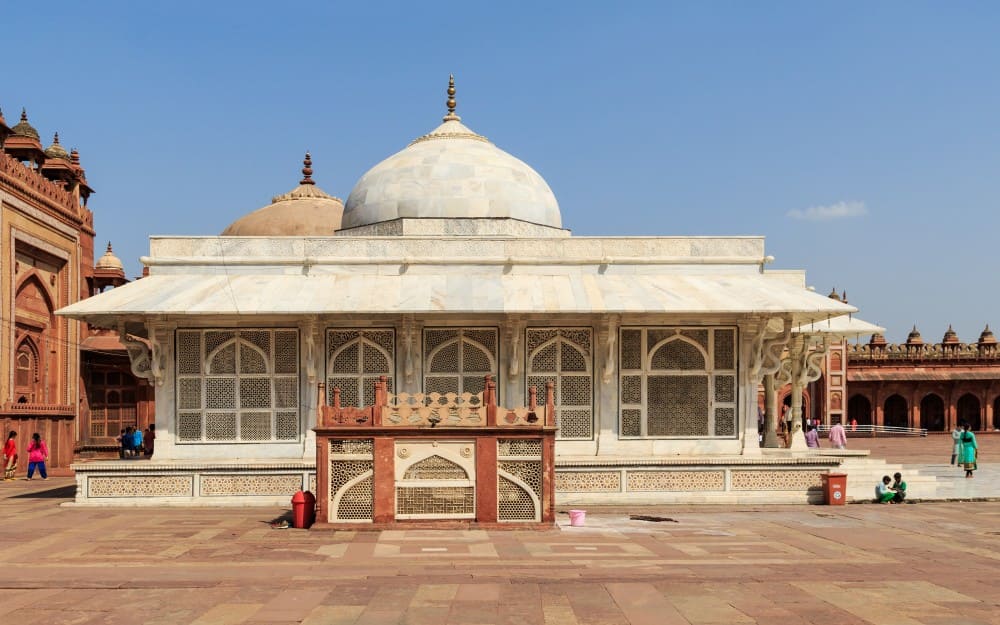 This architectural marvel is a testament to Mughal craftsmanship and reverence. It is a serene, spiritual place that Emperor Akbar constructed in honor of the revered Sufi saint Salim Chisti.
As you approach the tomb, the intricate marble lattice screens and floral motifs will leave you spellbound. Inside the central chamber lies the ornate white marble sarcophagus of Salim Chisti, drawing pilgrims and history enthusiasts from around the world.
Entry fees: ₹50 per person for Indian citizens and SAARC and BIMSTEC country visitors. For other foreign nationals, the entry fee is ₹ 610.
Operating hours: 6 am to 5:30 pm.
This architectural marvel is a testament to Mughal craftsmanship and reverence. It is a serene, spiritual place that Emperor Akbar constructed in honor of the revered Sufi saint Salim Chisti.
As you approach the tomb, the intricate marble lattice screens and floral motifs will leave you spellbound. Inside the central chamber lies the ornate white marble sarcophagus of Salim Chisti, drawing pilgrims and history enthusiasts from around the world.
Entry fees: ₹50 per person for Indian citizens and SAARC and BIMSTEC country visitors. For other foreign nationals, the entry fee is ₹ 610.
Operating hours: 6 am to 5:30 pm.
 No visit to Agra is complete without savoring the iconic Agra Petha. This translucent, soft candy is synonymous with the city's culinary heritage. Made from ash gourd, sugar, and various flavors, Agra Petha comes in a wide array of tastes, from classic plain to delectable variations like Kesar (saffron) and angoori (grape-shaped).
Exploring the local markets of Agra, especially the bustling streets around the Taj Mahal and Sadar Bazaar, you'll find shops and stalls adorned with colorful stacks of petha. Don't forget to take some back home as souvenirs or sweet memories of your trip to Agra.
No visit to Agra is complete without savoring the iconic Agra Petha. This translucent, soft candy is synonymous with the city's culinary heritage. Made from ash gourd, sugar, and various flavors, Agra Petha comes in a wide array of tastes, from classic plain to delectable variations like Kesar (saffron) and angoori (grape-shaped).
Exploring the local markets of Agra, especially the bustling streets around the Taj Mahal and Sadar Bazaar, you'll find shops and stalls adorned with colorful stacks of petha. Don't forget to take some back home as souvenirs or sweet memories of your trip to Agra.
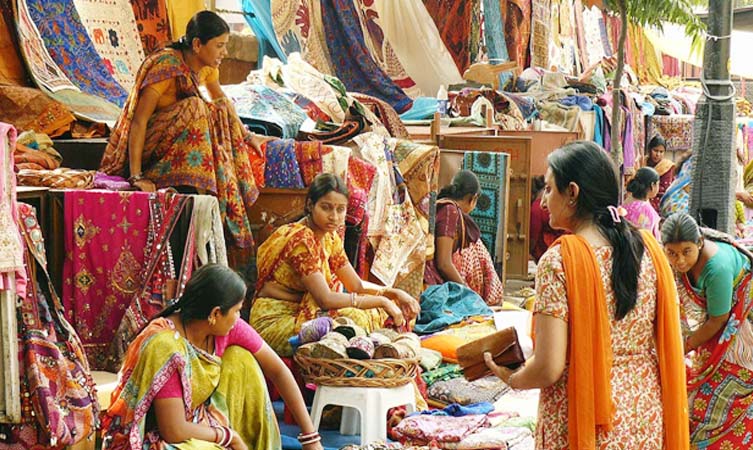 Agra is a paradise for shopaholics. One of the highlights of Agra's shopping scene is the exquisite marble inlay work known as "Pietra Dura," which adorns tabletops, jewelry, and decorative pieces. The vibrant bazaars near the Taj Mahal and Fatehpur Sikri are treasure troves for these artistic marvels.
For those seeking textile treasures, Agra's markets showcase beautiful embroidery, leather goods, and stunning saris. Kinari Bazaar, Sadar Bazaar, and Shahganj Bazaar are the go-to places for these shopping adventures. Bargaining is a way of life here, so be prepared to haggle for the best deals.
Agra is a paradise for shopaholics. One of the highlights of Agra's shopping scene is the exquisite marble inlay work known as "Pietra Dura," which adorns tabletops, jewelry, and decorative pieces. The vibrant bazaars near the Taj Mahal and Fatehpur Sikri are treasure troves for these artistic marvels.
For those seeking textile treasures, Agra's markets showcase beautiful embroidery, leather goods, and stunning saris. Kinari Bazaar, Sadar Bazaar, and Shahganj Bazaar are the go-to places for these shopping adventures. Bargaining is a way of life here, so be prepared to haggle for the best deals.
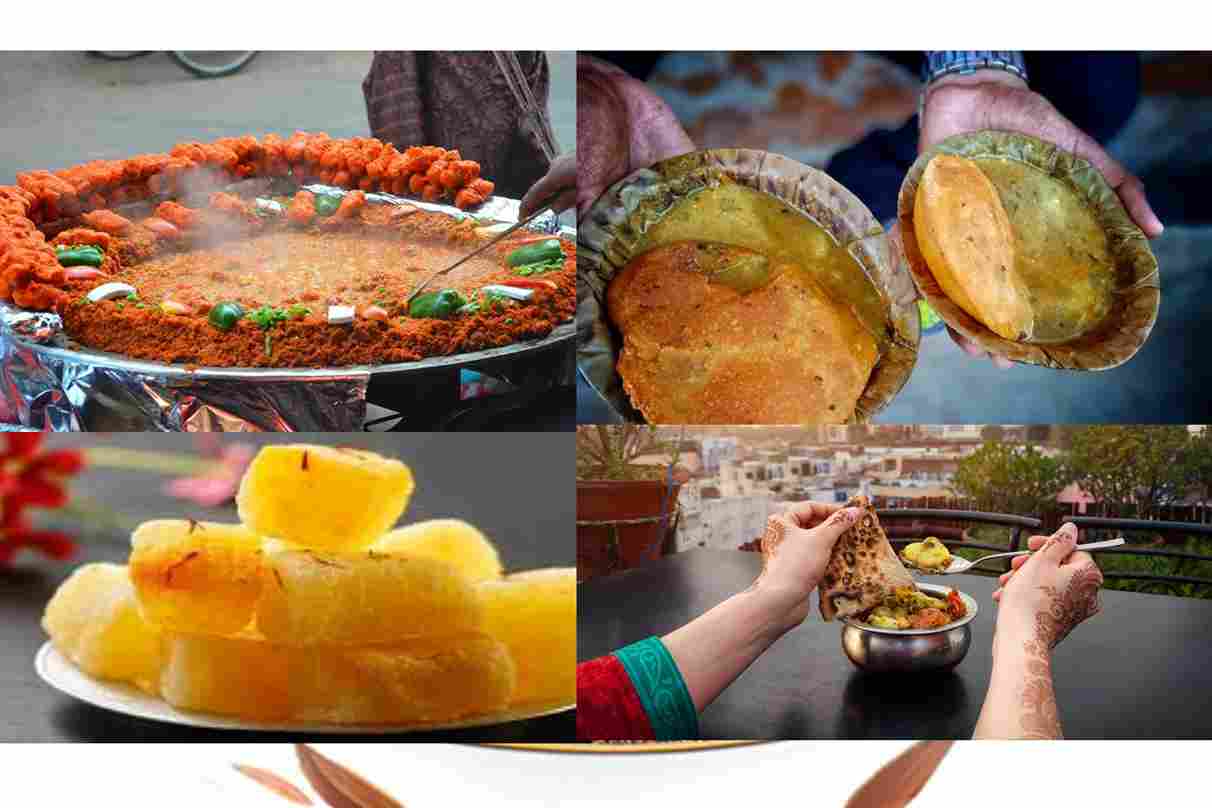 Agra's culinary landscape is as rich as its history, and indulging in the local cuisine is an essential part of your journey. Start your day with a traditional breakfast of bedai and jalebi, served piping hot in local eateries. Dive into the world of Mughlai cuisine with dishes like the iconic Mutton Galouti Kebabs, aromatic Dum Pukht Biryani, and rich Shahi Tukda.
While exploring the city, don't miss out on the local street food. Try the spicy and savory chaat or indulge in mouthwatering parathas at Deviram's, a legendary eatery. Agra's food culture is a delightful blend of flavors, and you'll find something to satisfy every palate.
Agra's culinary landscape is as rich as its history, and indulging in the local cuisine is an essential part of your journey. Start your day with a traditional breakfast of bedai and jalebi, served piping hot in local eateries. Dive into the world of Mughlai cuisine with dishes like the iconic Mutton Galouti Kebabs, aromatic Dum Pukht Biryani, and rich Shahi Tukda.
While exploring the city, don't miss out on the local street food. Try the spicy and savory chaat or indulge in mouthwatering parathas at Deviram's, a legendary eatery. Agra's food culture is a delightful blend of flavors, and you'll find something to satisfy every palate.