Capture the world's beauty with skill! Unlock 10 essential landscape photography tips to transform your travel snaps into stunning masterpieces.
Capturing the beauty of landscapes through photography requires a keen eye, technical skill, and a deep love for nature's wonders. Whether you're a beginner photographer or a seasoned pro, mastering the art of landscape photography can elevate your work to new heights.
This guide will show you ten very useful tips that will help you get better at photographing landscapes. These tips will help you make stunning, moving landscape photos that will stay with you for a long time. They cover everything from understanding lighting and framing to picking the right gear and post-processing methods.
Come on, grab your camera, and let's go outside to record the breathtaking beauty of landscapes.
Ten specific tips on how to take beautiful pictures of landscapes:
Tip 1: Scout Your Location

To get stunning scenery, you need to check out a place first. Do some planning ahead of time, look at maps, use apps like Google Earth, and get to know the area. Look for things that are different, angles, and possible focus points.
If you're shooting a mountain range, for example, look for vantage points that give you a range of views, from high points of view to smaller shots that show off texture and detail.
Tip 2: Understand the Light
Lighting is crucial in landscape photography. The "golden hours" around sunrise and sunset offer soft, warm light that enhances colors and textures.
Aim to shoot during these times for captivating results. Consider how the light interacts with your scene—whether it creates shadows, highlights, or silhouettes—and adjust your composition accordingly.
Tip 3: Use a Tripod for Stability
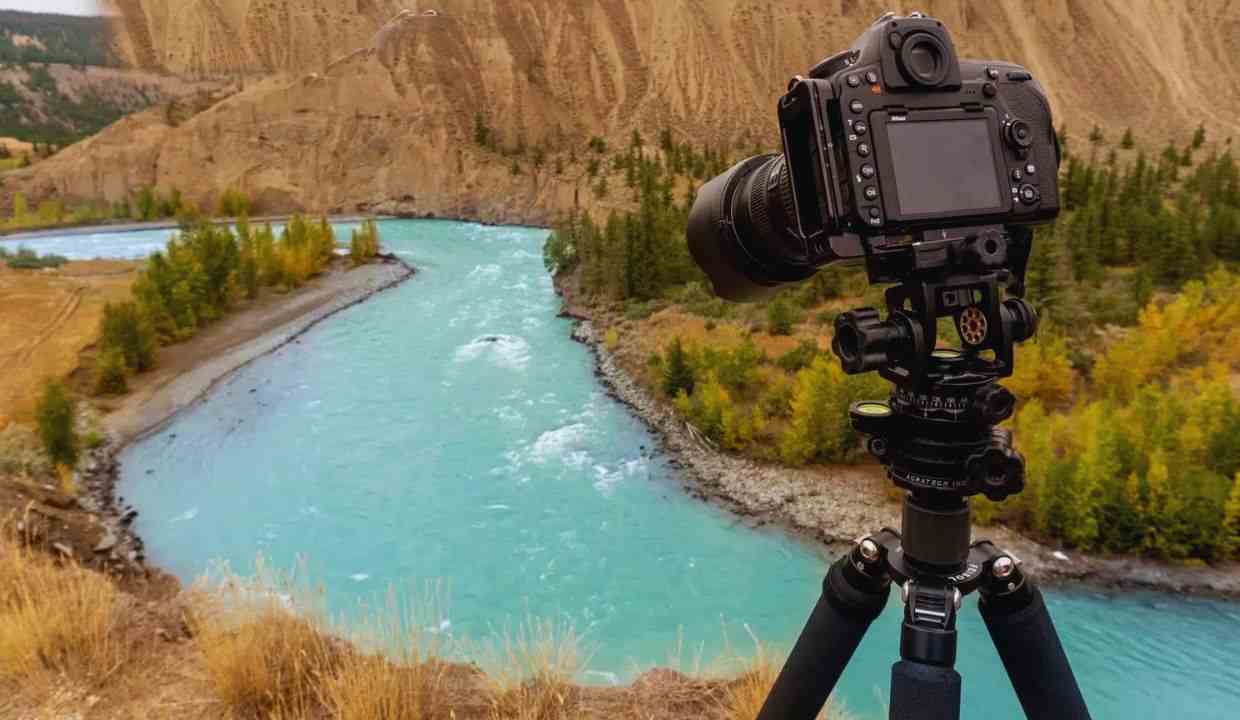
When taking pictures of landscapes, you need a strong tripod. It makes sure that the pictures are clear, especially when there isn't much light, or the shutter speed is slow.
Buy a good tripod that can handle different types of landscapes and weather. A tripod gives you steadiness and accuracy when taking pictures with long exposures or panoramas.
Tip 4: Experiment with Composition
When you take pictures of landscapes, composition is very important. Use the rule of thirds, leading lines, foreground attention, and framing, among other compositional tools, to explore your creativity.
Adding rocks or driftwood to the center of a seascape, for example, can give the picture depth and interest and draw the viewer's eye into the scene.
Tip 5: Utilize Filters
Filters can significantly enhance landscape photos. A polarizing filter reduces glare and reflections, making the sky appear bluer and enhancing contrast.
Neutral density (ND) filters help control exposure by reducing the amount of light entering the lens, allowing for longer exposures even in bright conditions, ideal for capturing smooth water or streaky clouds.
Tip 6: Focus on Depth of Field
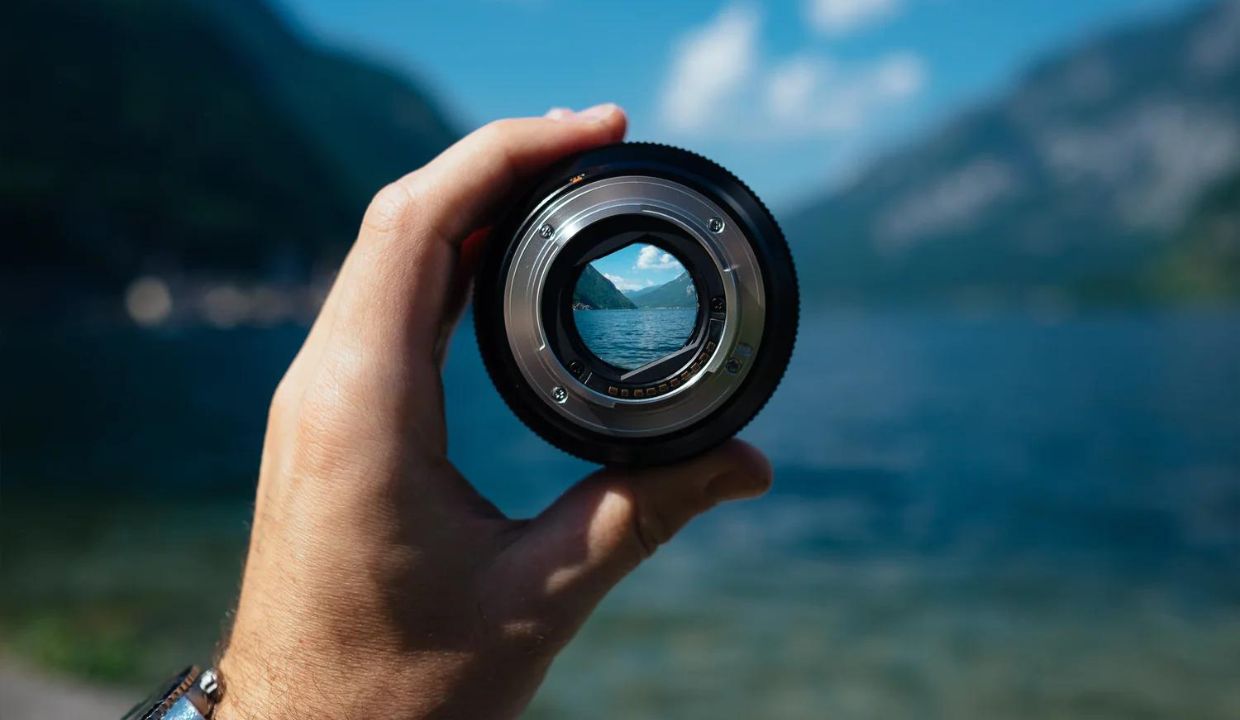
Use a smaller aperture (higher f-stop numbers like f/11 or f/16) to achieve a greater depth of field, keeping both foreground and background elements in focus.
This technique is effective when shooting expansive landscapes, ensuring sharpness from the foreground to the distant horizon.
Tip 7: Capture Movement
Incorporating movement adds dynamism to landscape shots. Experiment with slower shutter speeds to capture the movement of clouds, waterfalls, or flowing rivers. For example, using a slower shutter speed can transform a rushing waterfall into a silky cascade, creating a visually stunning effect.
Tip 8: Stay patient and wait for the right moment
In
landscape shooting, you need to be patient. Wait for the ideal conditions—the right light, weather, and mood—to capture the scene's spirit.
Sometimes, you may have to go back to the same spot more than once to get the best shot. A beautiful sunrise or a stormy sky can change the whole look of a scene.
Tip 9: Post-Processing for Enhancement
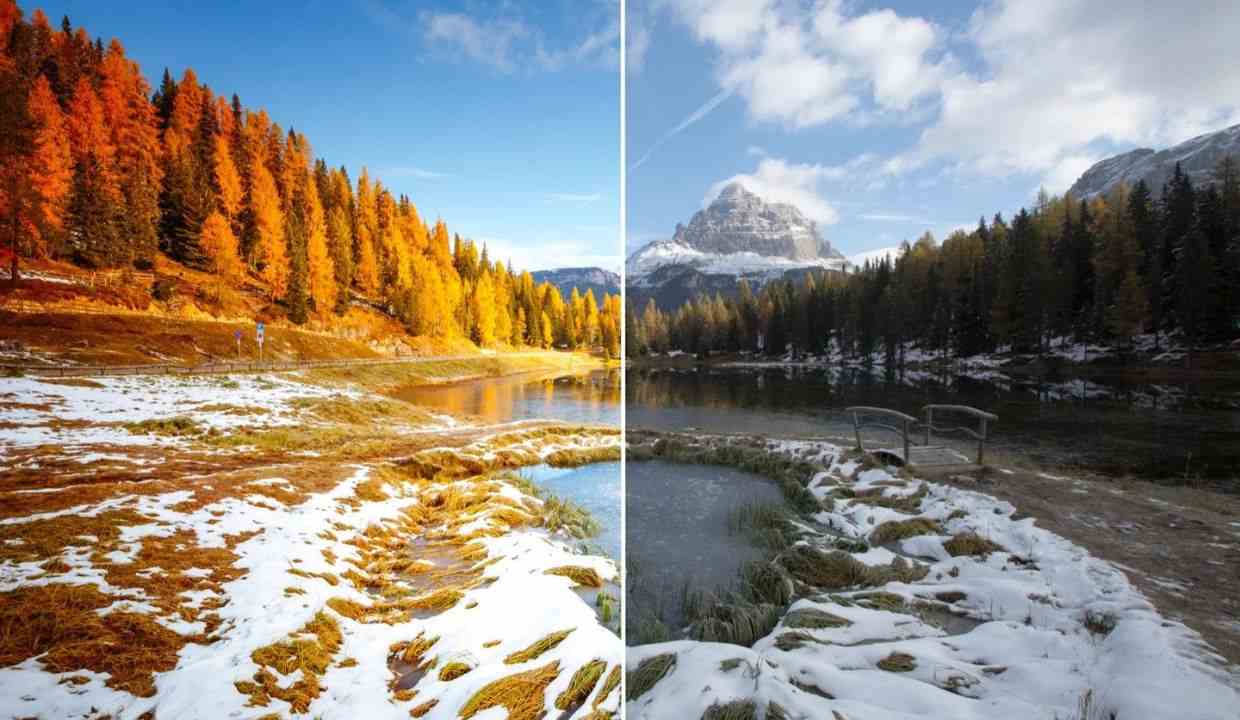
Post-processing allows you to enhance and refine your images. Use editing software like Adobe Lightroom or
Photoshop to fine-tune colors, contrast, and sharpness.
However, aim for a natural-looking result; avoid over editing that might make the image appear unrealistic.
Tip 10: Develop Your Style
Developing a unique style sets your landscape
photography apart. Experiment with different techniques, perspectives, and editing styles to create a signature look.
Your style could focus on bold, vibrant colors, minimalist compositions, or dramatic black-and-white landscapes. Finding your niche helps define your work and makes it recognizable.
Conclusion
In conclusion, capturing breathtaking landscapes requires a blend of technical skill, artistic vision, and patience. Embrace natural light, experiment with composition, and master your camera settings. Remember to scout locations, adapt to weather conditions, and constantly refine your technique. With dedication and these 10 tips, you'll elevate your landscape photography to new heights.
Happy shooting!
Also Read: Adventure And Travel Photography: The Best GoPro Accessories You Should Have