
Moldova doesn’t. Tucked between Romania and Ukraine in Eastern Europe, Moldova does not reveal itself with spectacle. When you land in Chișinău, the capital, everything feels unexpectedly normal. The airport is small, the roads are calm, and there is little sign that you have arrived in a place built around tourism.
Instead, you step into a country where life is already happening at its own pace.
At first, this can feel underwhelming.
You might wonder:
- Did I pick the right destination?
- Is there actually anything to do here?
But that first impression is misleading.
Because Moldova is not a country that reveals itself instantly. It unfolds slowly—through quiet parks, local markets, village roads, and moments of simple hospitality.
And then, somewhere along the way, it starts to make sense.
Moldova is not about seeing more. It is about experiencing something real.
Wine Culture: More Than Just Tastings
Wine in Moldova is not a luxury—it’s a lifestyle.
Here are some important facts:
- Moldova has one of the oldest wine traditions in the world (over 5,000 years)
- Around 25% of the workforce is connected to agriculture and wine production
- Wine is often cheaper than imported beverages
But what makes it unique is how personal it feels.
In many homes:
- Families produce their own wine
- Wine is served with every meal
- It’s shared casually—not ceremonially
So when you visit a winery, you’re not just tasting wine—you’re stepping into a core part of Moldovan identity.
Ideal Time to Visit Moldova (With Detailed Planning)

Choosing the right time to visit Moldova can significantly improve your experience—especially because much of the country revolves around seasons, agriculture, and wine.
| Season | Best For | Need-to-Know |
| Autumn (Sep–Oct) | Best overall time to visit | Wine harvest season, mild weather (15–25°C), vineyards are beautiful, National Wine Day happens in early October, book stays and winery tours early |
| Spring (Apr–Jun) | Nature and countryside | Fresh green landscapes, comfortable weather (15–25°C), great for Orheiul Vechi and village visits, carry a light jacket |
| Summer (Jul–Aug) | Longer days and city exploring | Hot weather (30°C+), best to explore in the morning or evening, stay hydrated, use afternoons for indoor places |
| Winter (Nov–Mar) | Quiet trips and lower prices | Cold weather (0–5°C), fewer tourists, less happening in rural areas, better for cities and indoor activities |
Best time to visit Moldova: Autumn (September–October)
“Early October is especially lively because National Wine Day takes place in Chișinău.”
Best Places to Visit in Moldova
Chișinău (Capital): A Calm, Lived-In City
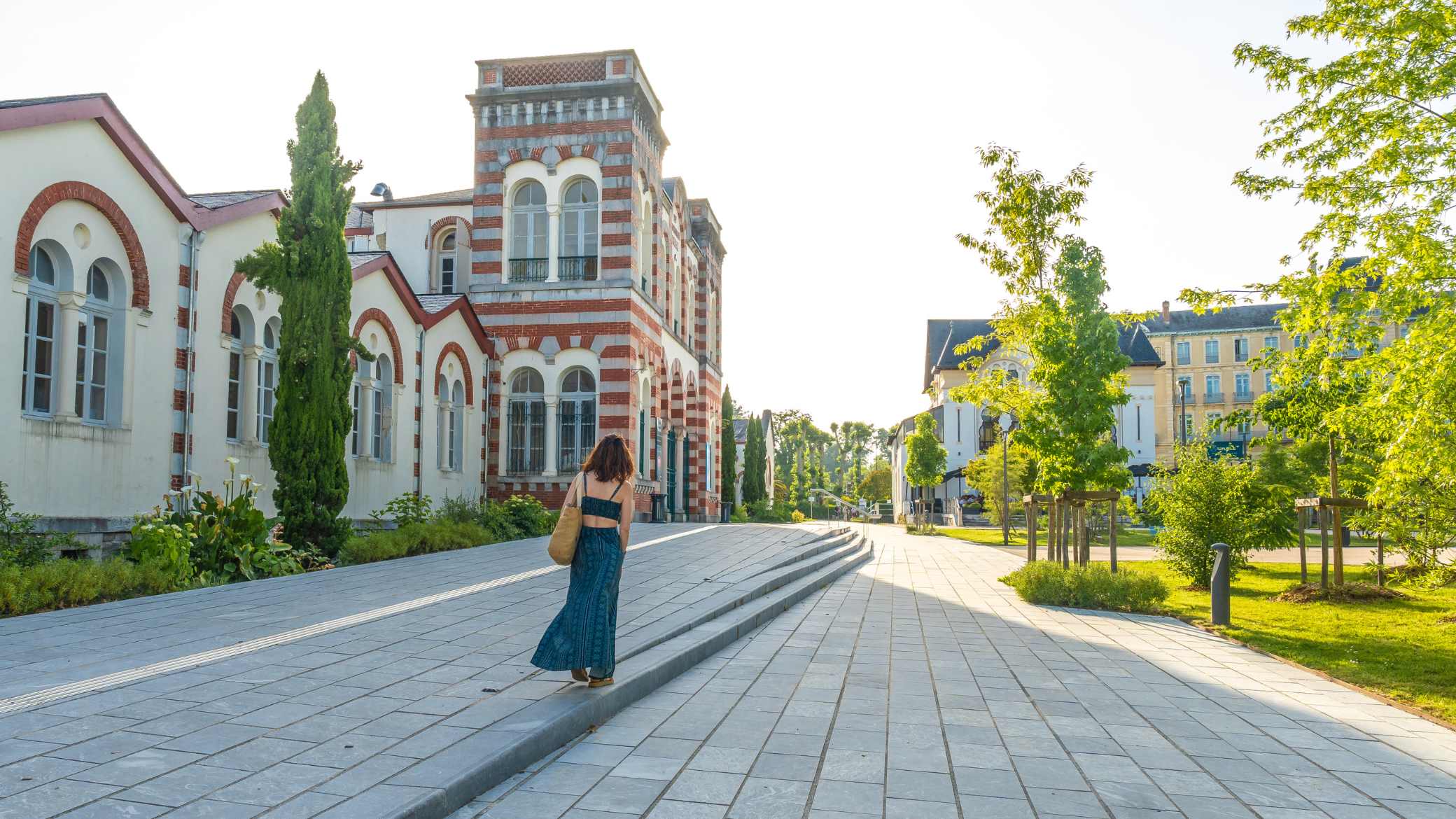
Your trip to Moldova will likely begin in Chișinău. It may not feel like a typical capital city—there’s no grand historic center or major tourist rush. Instead, you’ll find wide boulevards, Soviet-era buildings, quiet neighborhoods, and large green spaces.
What stands out most is the city’s slow, calm pace. Parks are full of locals, cafes feel unhurried, and the mix of old and new gives the city a grounded, everyday charm.
A Walking Route
- Start at Stefan cel Mare Park
A good place to begin and get a feel for the city.
- Open: 24 hours
- Cost: Free
- Best time: Morning or sunset
It’s a calm park where locals sit, walk, and start the day slowly.
- Walk to Cathedral Park and Nativity Cathedral
Just a short walk away, this is one of the city’s key landmarks.
- Entry: Free
- Visit time: 15–20 minutes
Tip: Dress modestly and avoid loud conversation or photos during prayer times.
- Visit Piata Centrala (Central Market)
This is one of the best places to see local life.
- Open: Tuesday–Sunday
- Hours: Around 7:00 AM – 6:30 PM
- Closed: Monday
You’ll find fresh produce, bread, cheese, pickles, and a busy local atmosphere.
Tips:
- Carry small cash (MDL)
- Don’t expect much English
- Keep your belongings secure
- Slow Down at a Cafe
Don’t try to rush through the city. Chișinău is best experienced slowly.
- Stop for coffee or lunch
- Sit and take in the pace of the city
How Much Time to Spend
- Ideal: 1 full day
- Relaxed: Up to 2 days
After that, much of Moldova’s appeal lies outside the capital.
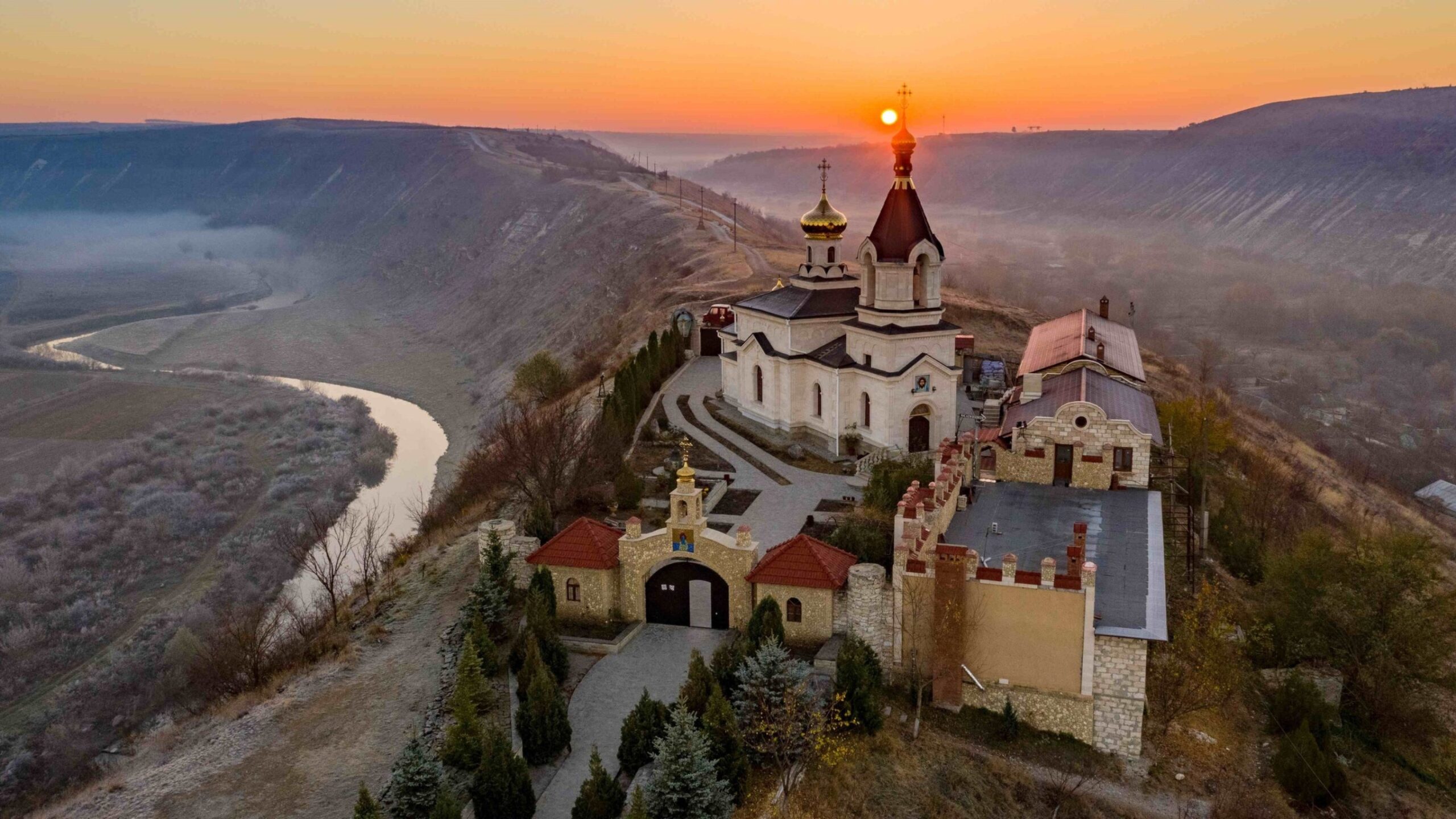
Orheiul Vechi: Moldova’s Most Memorable Day Trip
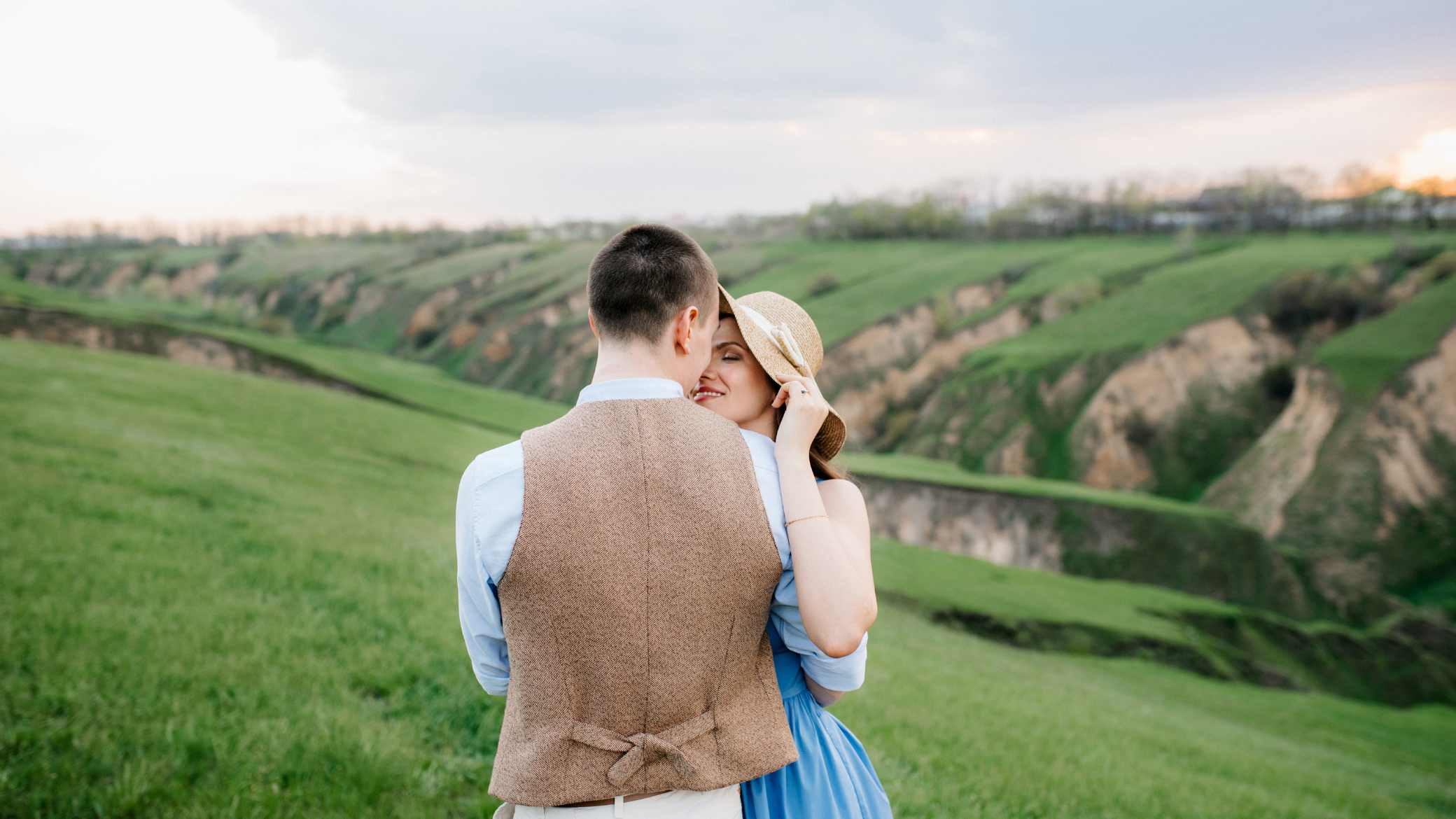
Located about 55–60 km from Chișinău (around 1 hour by car), Orheiul Vechi is one of Moldova’s most impressive places to visit. It stands out for its open landscapes, river valley views, and peaceful atmosphere.
Why It Stands Out
When you arrive, the city disappears and the scenery opens up into:
- Rolling hills
- A river valley
- Wide open views
This is where Moldova starts to feel more dramatic and memorable.
Main Highlight: Cave Monastery
Built into the limestone cliffs, the Cave Monastery is the site’s main attraction.
- Entry: Free
- Time needed: 20–30 minutes
Inside, you’ll find narrow cave spaces, religious icons, and a quiet atmosphere. It is still an active religious site, so be respectful.
What to Do Beyond the Monastery
The real experience is walking around the area.
You can enjoy:
- Panoramic valley views
- Cliffside walking trails
- Quiet viewpoints
Walking Options
- Short walk: 30–60 minutes
- Cliff walk: 1–2 hours
- Full exploration: 3–4 hours
Practical Tips
- Wear comfortable shoes
- Carry water
- Dress lightly in warm weather
Butuceni Village: A More Personal Side of Moldova
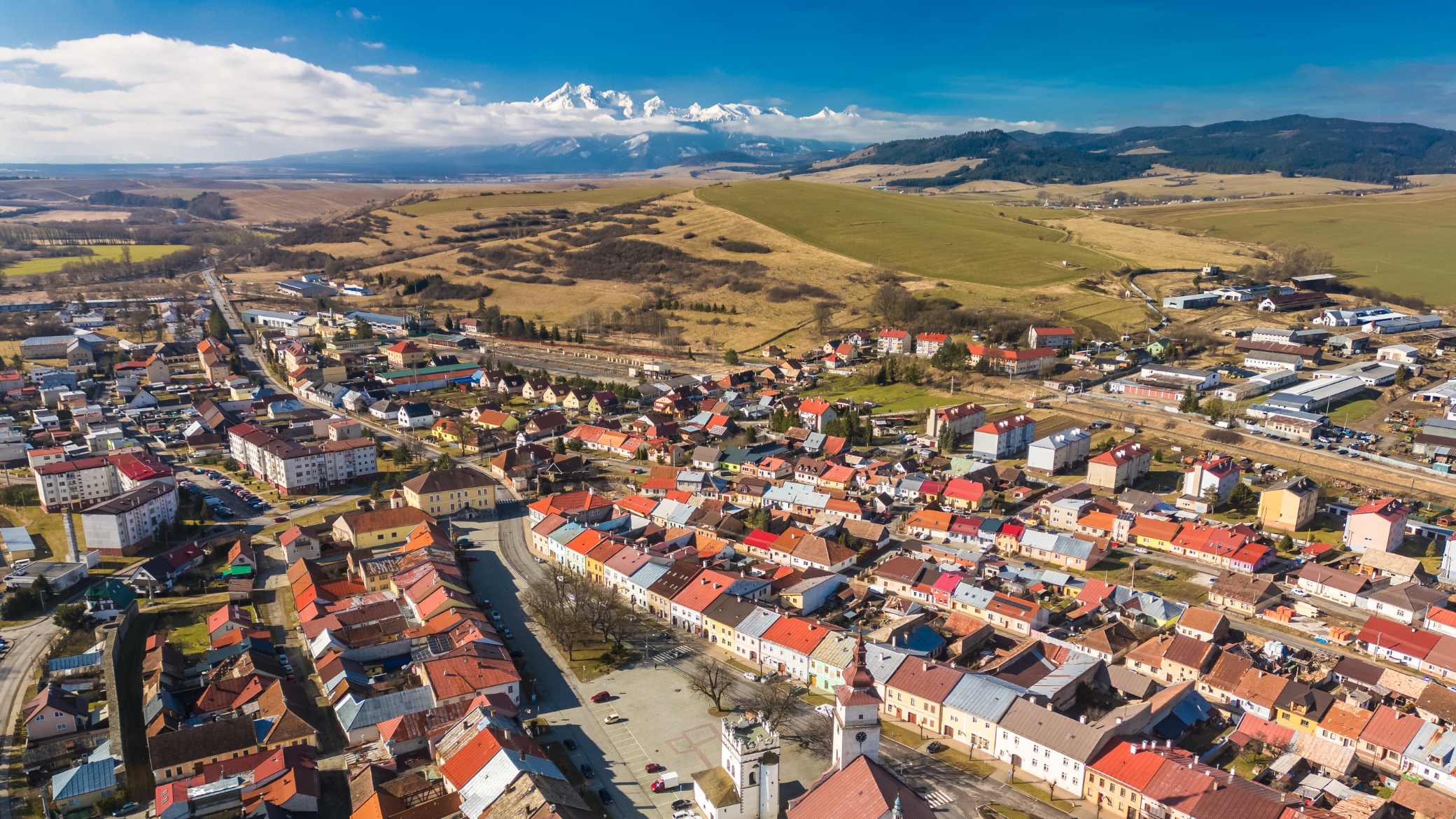
Next to Orheiul Vechi, Butuceni is a traditional village that gives you a more personal feel for rural Moldova.
What You’ll Notice
- Houses with gardens
- Farm life and quiet streets
- A simple, lived-in atmosphere
Is It Worth Staying Overnight?
Yes, if possible.
- Day trip: Beautiful but brief
- Overnight stay: Slower, more immersive, more memorable
Cricova Winery: Moldova’s Famous Underground Winery
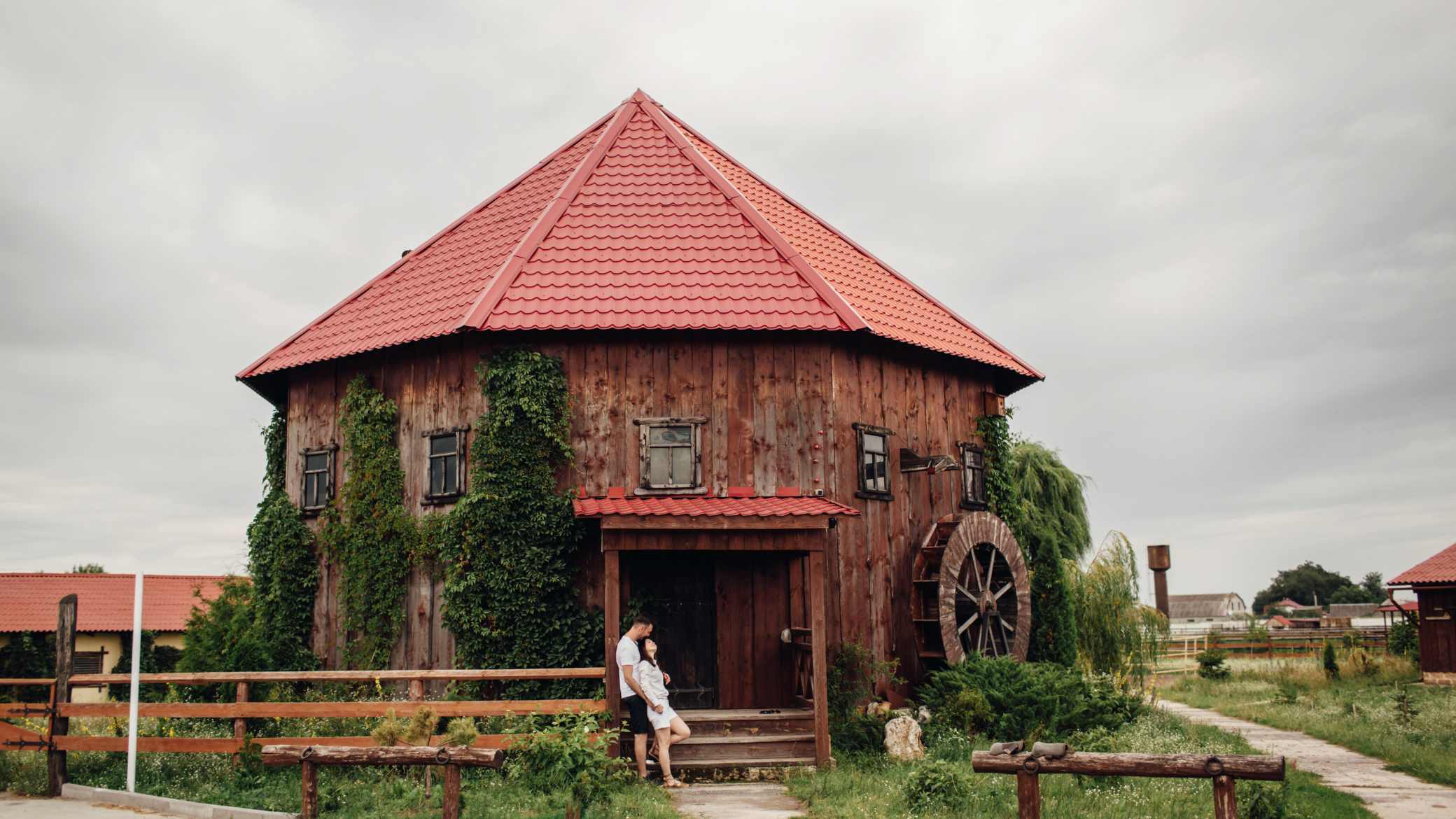
Located about 15 km from Chișinău, Cricova Winery is one of Moldova’s most unique experiences. The winery is built underground, with long tunnel networks that feel more like a small city than a cellar.
What Makes It Special
- Over 100 km of underground tunnels
- Tunnel sections named like streets
- Naturally cool storage conditions for wine
What the Visit Includes
A typical visit usually involves:
- Arrival and check-in
- Entry into the underground tunnels
- Guided tour, often by vehicle
- Introduction to the wine-making process
- Wine tasting session
Practical Information
- Duration: 1–4 hours
- Booking: Required
- Languages: English, Romanian, Russian
Tips
- Book 1–2 days in advance
- Bring a light jacket
- Take your time during the tasting
Mileștii Mici: Bigger, Quieter, More Raw
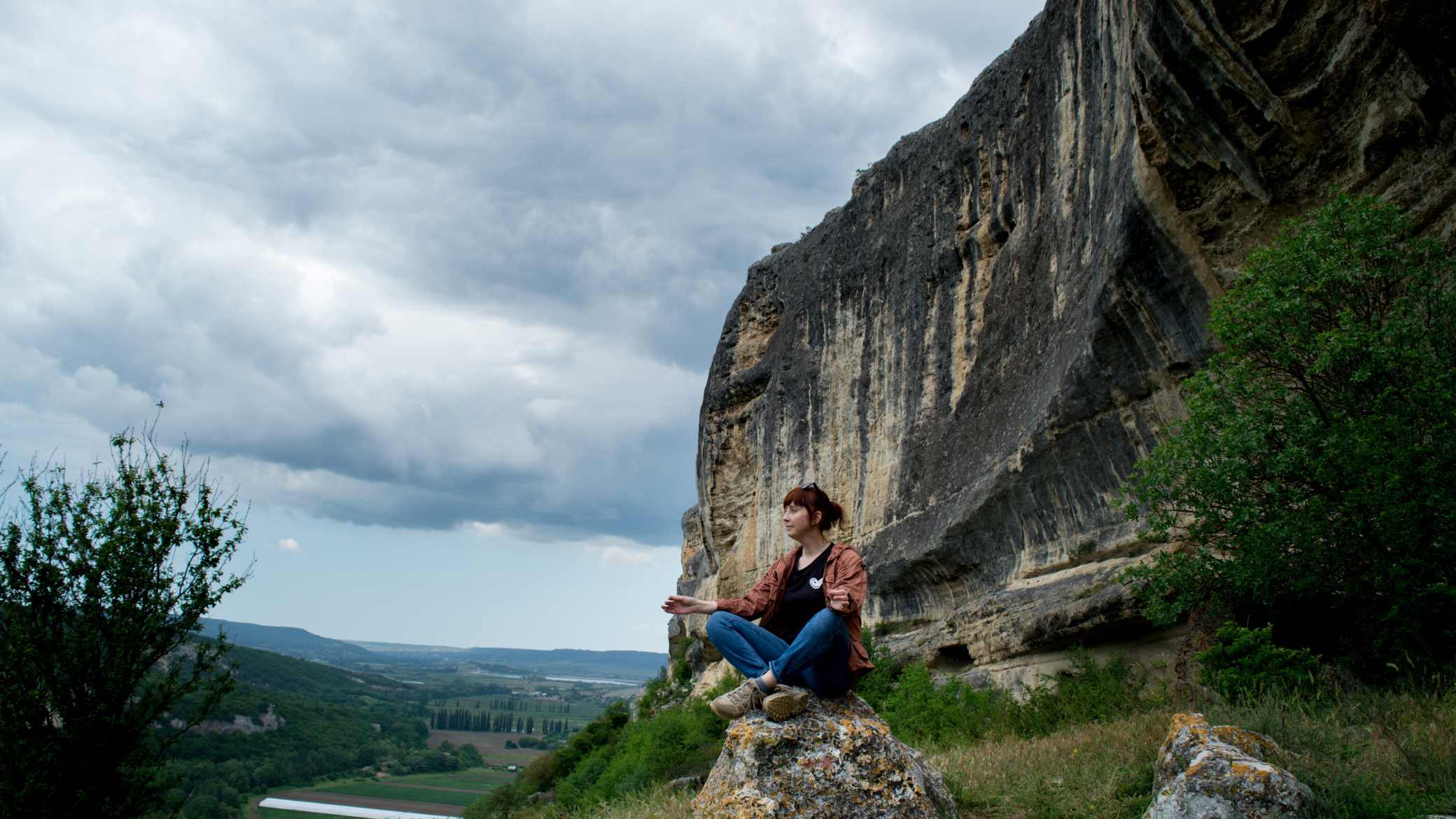
Located 20 km from Chișinău, this is where scale becomes overwhelming.
Why It’s Special
- Holds Guinness World Record for largest wine collection
- Stores millions of bottles
- Vast underground network
Experience Difference from Cricova
| Cricova | Mileștii Mici |
| More structured | More raw |
| Popular | Less crowded |
| Polished tours | Larger scale |
Choose based on:
- Convenience → Cricova
- Uniqueness → Mileștii Mici
Transnistria: A Place That Feels Frozen in Time
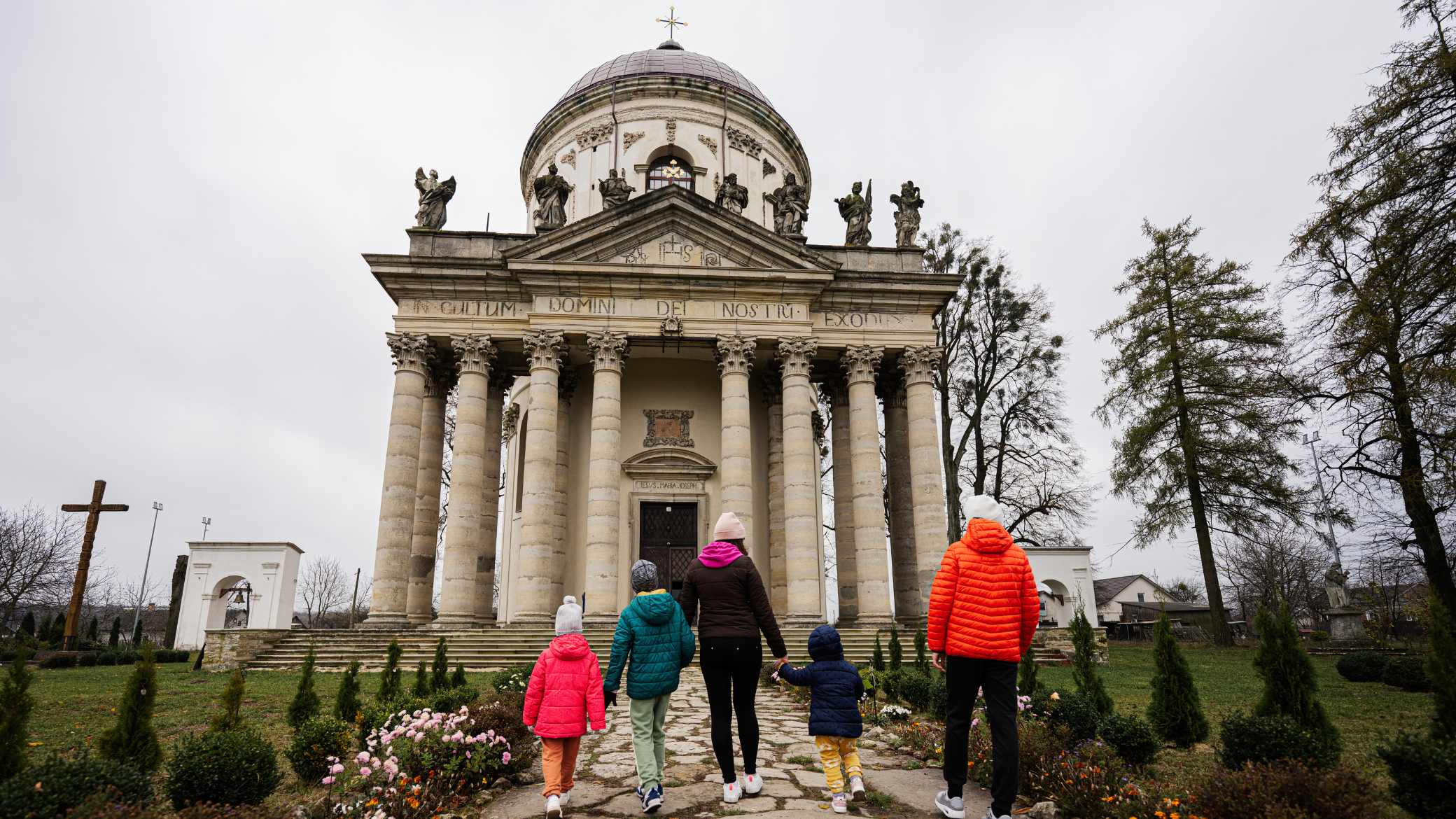
This is not a typical destination, and that’s exactly why many people choose to visit. More than a sightseeing stop, it’s a place people go to experience a very different atmosphere.
What It Is
Transnistria is a self-declared region that operates separately in many ways from the rest of Moldova.
Visiting Tiraspol
The main place most visitors go is Tiraspol.
- Distance from Chișinău: around 70 km
- Travel time: about 1.5–2 hours
Entry Rules
This part is important:
- Visitors usually receive a temporary permit on entry
- You must leave before the permit expires
What to Carry
- Passport
- Awareness of your permitted stay time
Food in Moldova: What Tourists Should Actually Know
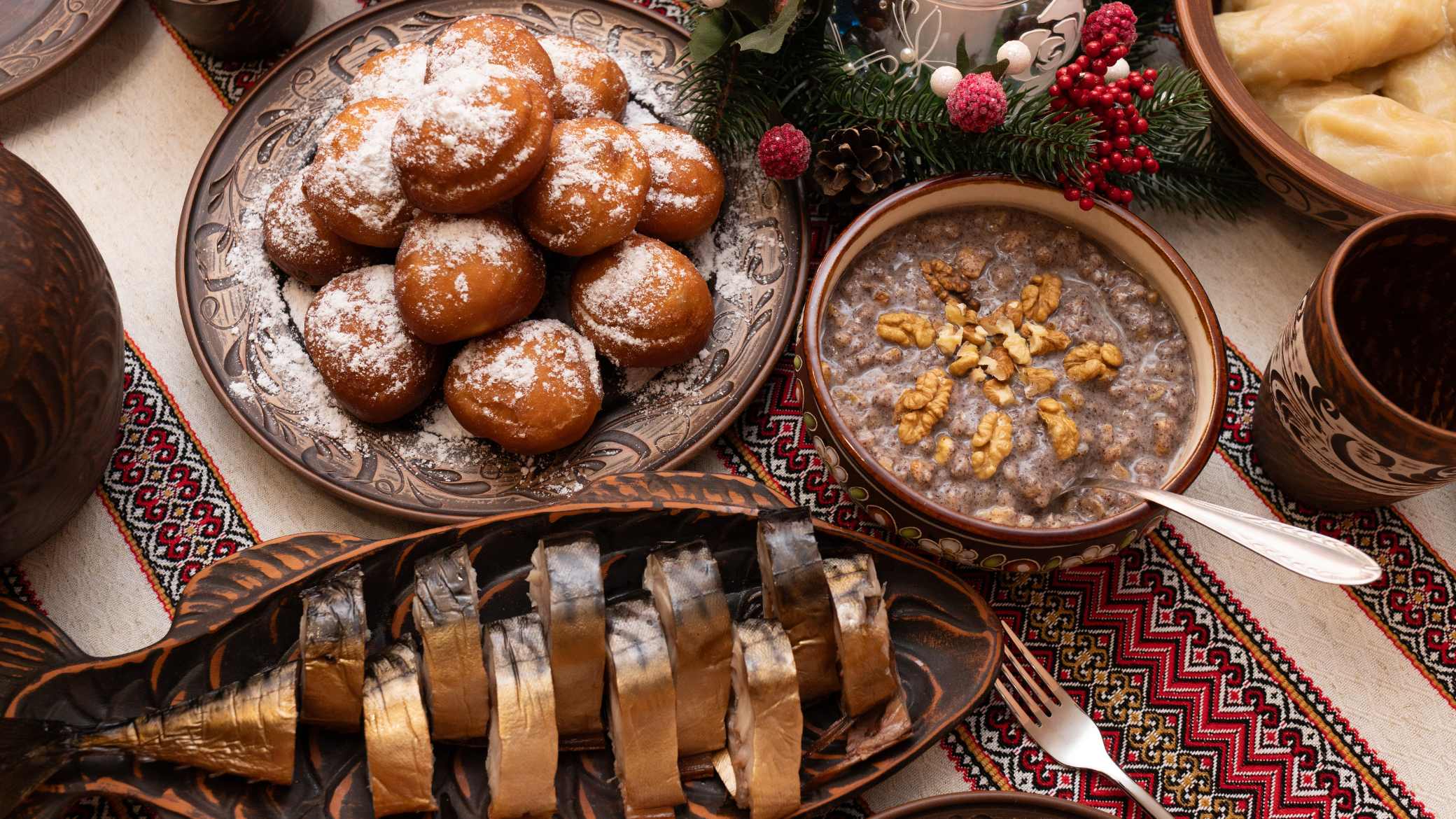
Food is one of the easiest ways to understand Moldova. For most visitors, the cuisine is built around hearty traditional dishes, fresh produce, baked pastries, and local wine. It is generally simple, filling, and affordable rather than highly polished or presentation-focused.
What to Try First
These are the main dishes most tourists should look for first:
- Mămăligă — a cornmeal dish similar to polenta, usually served with cheese, sour cream, or alongside meat and stews
- Plăcintă — stuffed pastry filled with cheese, potato, cabbage, or sweet fruit; one of the easiest local foods to try
- Sarmale — cabbage or vine leaves stuffed with rice, vegetables, and often meat
- Zeamă — a traditional chicken soup, often seen as one of Moldova’s classic comfort dishes
Where Tourists Usually Get the Best Food Experience
For most travelers, the best food experiences usually come from:
- Traditional restaurants in Chișinău for a first introduction to Moldovan dishes
- Bakeries and casual spots for plăcinte and quick local meals
- Guesthouses and winery restaurants for a more complete food-and-wine experience
Restaurants and Cafes in Chișinău
| Restaurant / Cafe | Best For | Notes |
| La Taifas | Traditional Moldovan food | Good first choice for classic local dishes |
| La Plăcinte | Easy local meals | Popular for plăcinte, soups, and simple Moldovan food |
| Bordeiaș | Traditional atmosphere | Good for a more local-style dining setting |
| BIOrganic Raw Café | Vegan food | Best dedicated vegan-friendly option |
Vegetarian and Vegan Reality
Vegetarians usually manage quite well in Chișinău, especially with soups, salads, side dishes, and some plăcintă fillings. Vegan travel is possible, but it needs more planning, because many traditional dishes include meat, cheese, eggs, or sour cream.
What helps:
- Choose places like BIOrganic Raw Café or Sincer Cafe
- Look for vegetable-based dishes and simple pastry fillings
- In villages or guesthouses, mention dietary needs in advance
What Actually Matters for Tourists
If you want the best food experience in Moldova, focus on:
- trying 3–4 traditional dishes
- having at least one proper traditional meal in Chișinău
- eating plăcinte from a casual local spot
- pairing food with local wine
- choosing a guesthouse or winery meal for a more memorable experience
The Key Term: “De Post”
This is your survival tool.
“De post” means:
- Fasting food
- No meat
- Often no dairy
How to Use It
When ordering, look for:
“de post” items on menus
These are your safest choices.
How to Travel Around Moldova
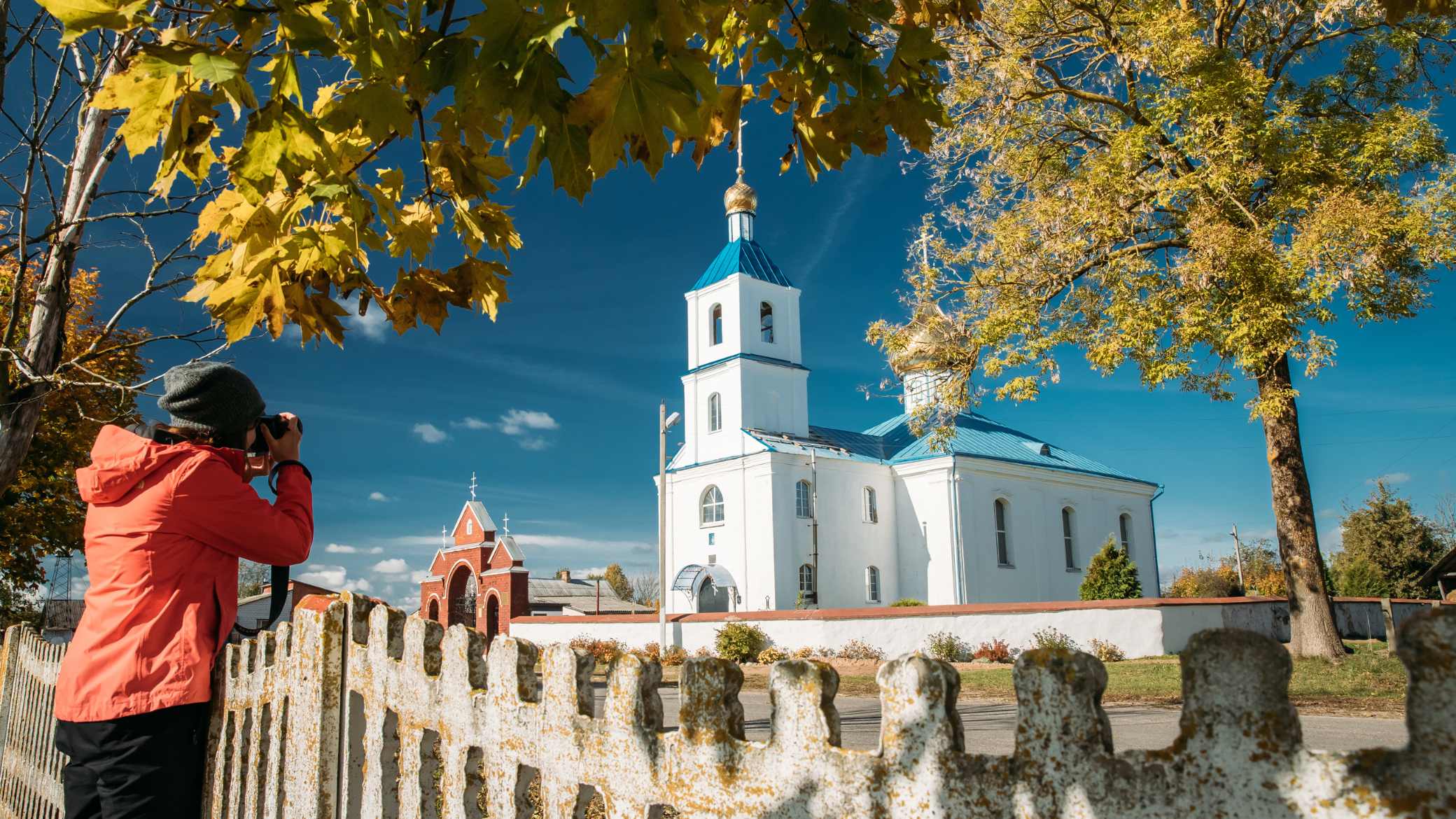
Travel in Moldova is simple, but less structured than in many countries. Outside major areas, schedules, signage, and English information can be limited. Flexibility helps.
Marshrutkas: The Main Local Transport
Marshrutkas are shared minibuses that connect cities, towns, and villages. They are the most common form of transport in Moldova.
How Marshrutkas Operate
| Feature | Reality |
| Schedule | Flexible rather than fixed |
| Departure | Usually when seats are filled |
| Payment | Cash, given directly to driver |
| Language | Mostly Romanian or Russian |
| Comfort | Basic but acceptable |
Currency note: Moldova uses the Moldovan leu (MDL), and all prices in this guide are listed in lei.
Typical Costs
| Route | Cost |
| Within city | 5–10 MDL |
| Chișinău → Orhei | 30–50 MDL |
| Chișinău → Tiraspol | 40–80 MDL |
Marshrutkas are extremely affordable and widely available, making them ideal for budget travelers.
Taxi Apps: The Easy and Reliable Option
For most visitors, taxi apps are the easiest way to get around, especially in Chișinău. The most commonly used service is Yandex Go.
Typical Cost
- Short city rides: low cost
- Airport to city center: moderate
- Day trips: higher, but still reasonable
Taxis are generally affordable compared with most European destinations.
Car Rental: Best for Flexibility
Renting a car is useful if you want to explore villages, countryside routes, and less-visited areas.
What to Expect
- Rental cost: around 500–1,010 MDL per day (€25–50)
- Fuel: affordable
- Deposit: usually required
Simple Comparison
| Option | Cost | Comfort | Flexibility | Best For |
| Marshrutka | Low | Medium | Low | Budget travel |
| Taxi | Medium | High | Medium | Convenience |
| Car rental | High | High | High | Independent exploration |
Where to Stay: Choose Based on Experience
Where you stay in Moldova can shape your trip more than you might expect. Accommodation often feels closely connected to local life, so choosing the right base makes a real difference.
Chișinău: Stay Central
In Chișinău, location matters more than luxury. The city is spread out, so staying central makes it much easier to get around, especially if you only have 1–2 days.
Safe Areas to Stay
- City Center (Centru district)
- Near Stefan cel Mare Boulevard
- Walking distance to parks, cafes, and main landmarks
Price Range
- Budget hostels: 170–350 MDL
- Apartments: 350–870 MDL
- Mid-range hotels: 690–1,390 MDL
- Premium hotels: 1,560 MDL+
Orheiul Vechi: Stay for the Experience
If Chișinău is practical, Orheiul Vechi is more about experience. Staying overnight visits feel much more personal than doing it as a day trip.
Booking Tips
What to Check Before Booking
- Location — central stays save time and transport cost
- Reviews — service quality can vary
- Amenities — facilities are not always the same everywhere
- Meal inclusion — especially important in rural stays
When to Book
- Autumn (Sept–Oct): book 1–2 weeks in advance
- Spring/Summer: moderate demand
- Winter: easier availability
Things to Keep in Mind
- In villages, confirm whether meals are included or available
- Wi-Fi is usually available, but may be slower in rural areas
- In older buildings, heating can vary, so check reviews in colder months
Budget Guide: What It Actually Costs to Travel in Moldova
Moldova feels affordable not only because prices are low, but because the cost-to-experience ratio is strong. You can usually travel comfortably without cutting major experiences. For most travelers, a realistic daily budget is 950–1,650 MDL, while budget travelers can manage on 430–780 MDL per day and comfort travelers may spend 1,730–2,770 MDL per day.
Typical Costs
| Category | Typical Cost |
| Backpacker budget | 430–780 MDL/day |
| Mid-range budget | 950–1,650 MDL/day |
| Comfort budget | 1,730–2,770 MDL/day |
| Local meal | 70–120 MDL |
| Mid-range restaurant meal | 150–300 MDL |
| Street food (plăcintă) | 10–25 MDL |
| Coffee | 25–45 MDL |
| Glass of local wine | 25–60 MDL |
| Budget hostel | 170–310 MDL/night |
| Central apartment | 430–870 MDL/night |
| Mid-range hotel | 780–1,470 MDL/night |
| Premium hotel | 1,560–2,600+ MDL/night |
| Marshrutka (city) | 5–10 MDL |
| Intercity ride (Chișinău → Orhei) | 30–50 MDL |
| Taxi (city ride) | 30–80 MDL |
| Airport to city center taxi | 80–150 MDL |
| Car rental | 500–1,010 MDL/day |
| Cricova winery tour | 300–800 MDL |
| Mileștii Mici tour | 300–800 MDL |
| Orheiul Vechi | Free |
What Actually Matters
- Accommodation is usually the biggest expense
- Food is consistently inexpensive
- Taxis remain affordable compared with much of Europe
- Winery tours are usually the main paid activity
- Apartments in Chișinău often offer better value than hotels in the same price range
Some Important Travel Tips (What Actually Matters)
These are the details that make travel in Moldova smoother.
Money
- Moldova is still cash-dependent outside major urban areas
- Cards work reliably in hotels, cafés, and restaurants in central Chișinău
- You will usually need cash for marshrutkas, markets, small shops, and rural areas
- A practical amount to carry is 500–1000 MDL per day, preferably in smaller notes
Language
- Romanian is the official language
- Russian is also widely understood
- English is mostly limited to central Chișinău, hotels, and some restaurants
- Outside those areas, a translation app is very useful
Internet
- Mobile internet is generally fast and reliable
- SIM cards are cheap and easy to get
- Orange Moldova and Moldcell are useful providers
- A local SIM helps with maps, taxi apps, and translation
Safety
- Moldova is generally safe and calm
- Violent crime is very low
- The main risk is occasional petty theft in crowded places
- Use normal caution on quiet streets at night
Etiquette
- Greet people politely
- Be respectful in churches
- Dress modestly in religious places
- Do not rush meals or interactions
- People may seem reserved at first, but hospitality is often warm once interaction begins
Suggested Itinerary
4–5 Day Moldova Itinerary (Complete Experience)
| Day | Plan | Major Activities | Time Needed | Notes |
| Day 1 | Chișinău | Park, Cathedral, Market, city walk | Full day | Keep it slow |
| Day 2 | Winery Day | Cricova or Mileștii Mici with tasting | Half day | Afternoon works well |
| Day 3 | Orheiul Vechi | Monastery, hiking, village exploration | Full day | Overnight stay recommended |
| Day 4 | Orhei → Return | Morning in the village, then return to Chișinău | Half day | Flexible pace |
| Day 5 (Optional) | Transnistria | Visit Tiraspol, walk around, observe the atmosphere | Full day | Optional |
FAQs About Traveling to Moldova
1. Is Moldova worth visiting?
Yes, Moldova is worth visiting if you are looking for an authentic, less crowded European destination. It is especially known for its wine culture, rural landscapes, and affordable travel.
2. Is Moldova safe for tourists?
Moldova is generally safe for tourists, with low levels of violent crime. Basic precautions such as watching your belongings in crowded places and avoiding isolated areas at night are usually enough.
3. What is the best time to visit Moldova?
The best time to visit Moldova is September to October, during the wine harvest season and National Wine Day. Spring (April–June) is also a good time for pleasant weather and fewer crowds.
4. Is Moldova expensive for travelers?
No, Moldova is one of the most affordable countries in Europe. A mid-range traveler can expect to spend around 950–1,650 MDL per day, including accommodation, food, transport, and some activities.